Chinese EV Battery Breakthrough Hits 620-Mile Range
Scientists in China have tested a semi-solid-state battery that could push electric vehicles beyond 620 miles per charge—double what most EVs achieve today. The breakthrough technology is already being tested in real vehicles and could reshape the future of electric transportation.
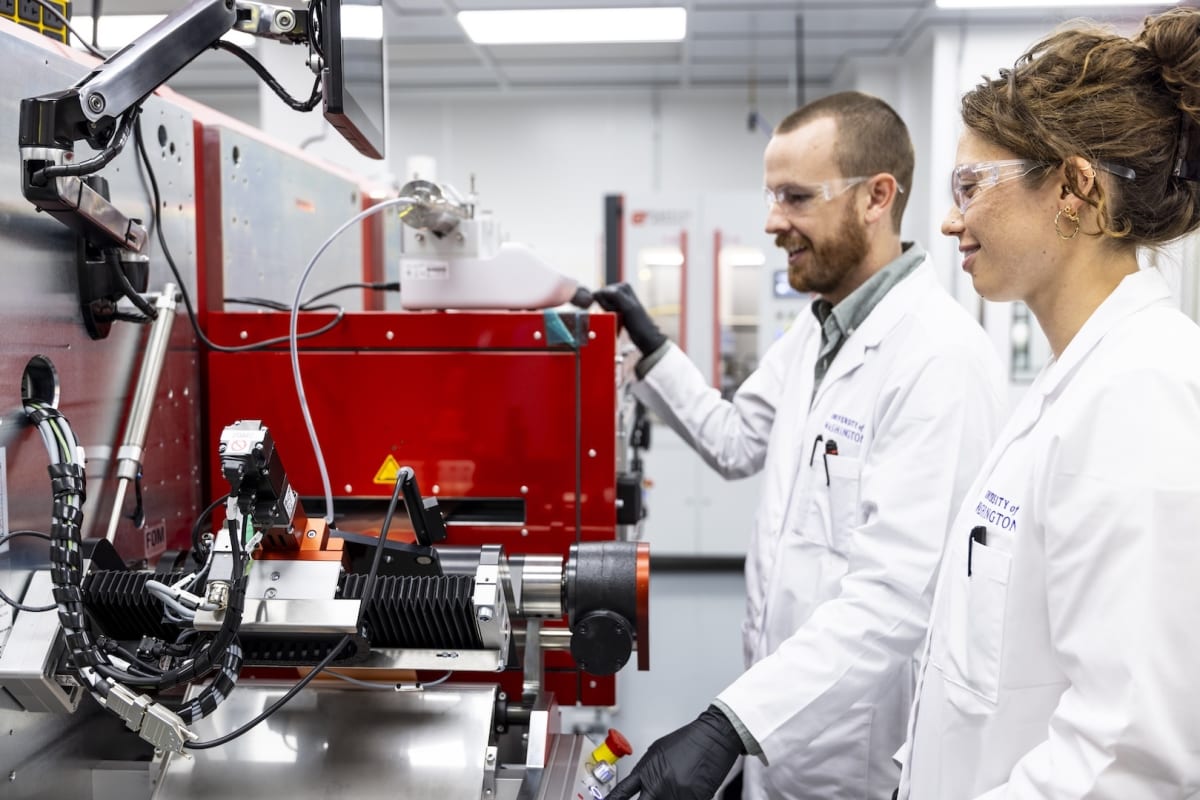
Imagine driving from Los Angeles to San Francisco and back on a single charge. That future just got closer thanks to researchers at Nankai University in China who've developed a semi-solid-state battery achieving a 620-mile range in real-world vehicle tests.
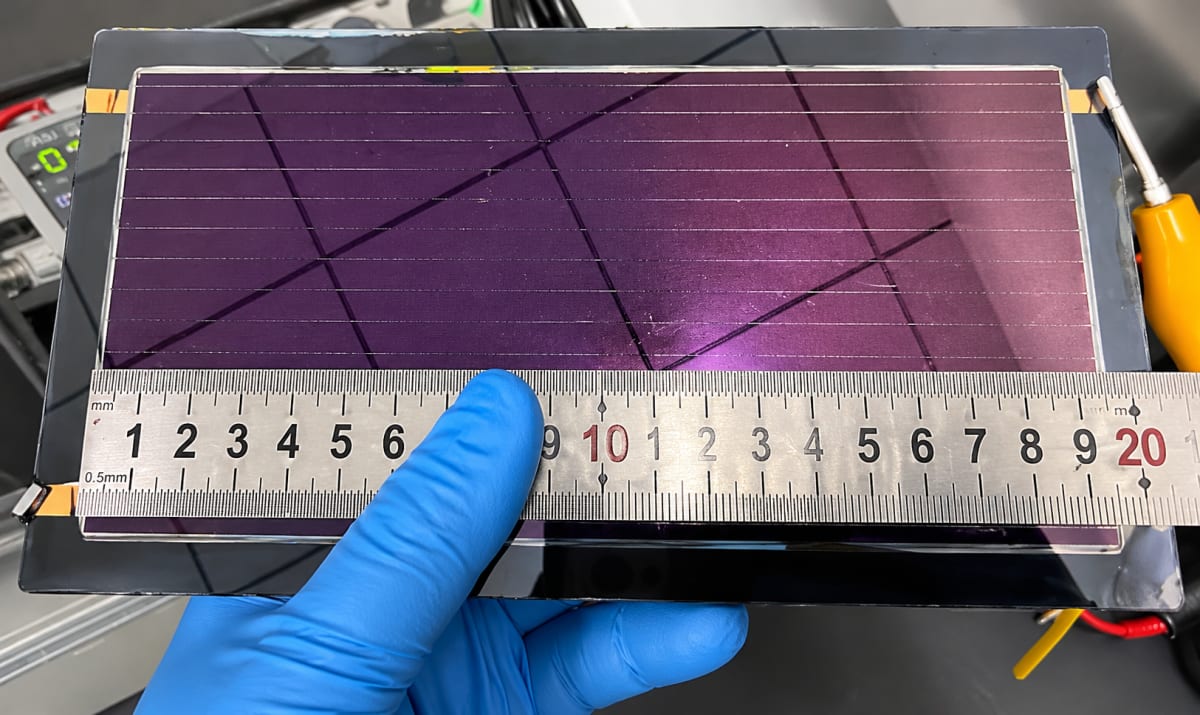
The new battery packs an energy density of over 500 watt-hours per kilogram at the cell level. That's 30% more powerful than today's best lithium-ion batteries, which typically max out around 300 Wh/kg.
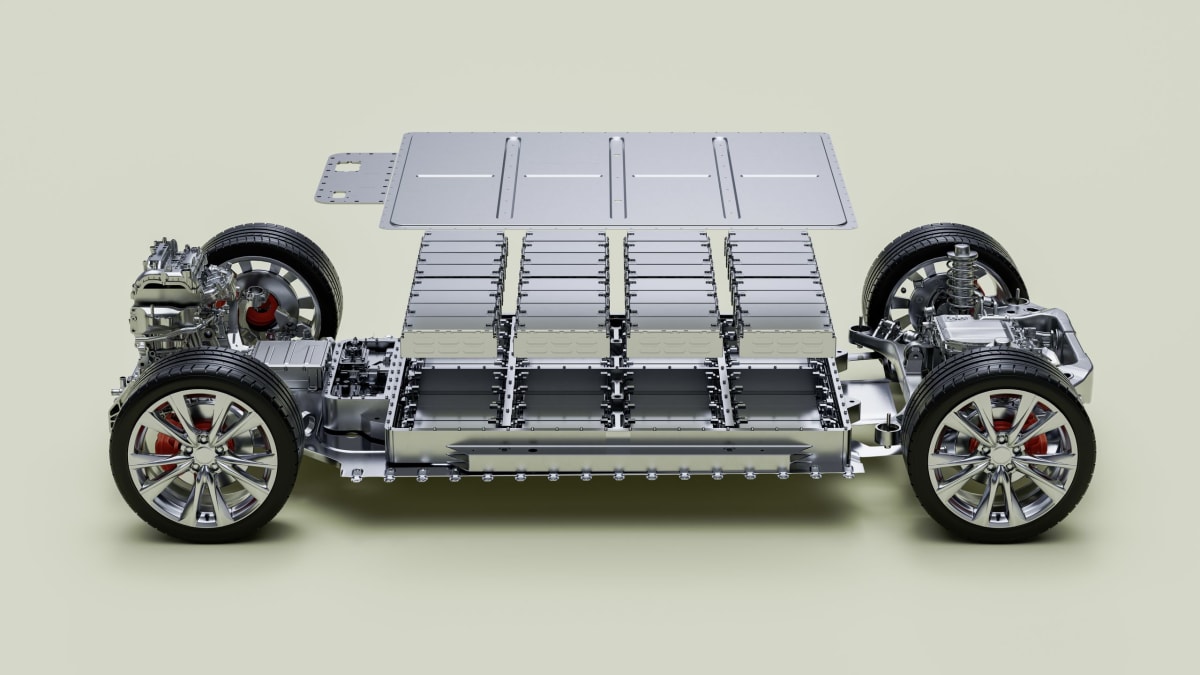
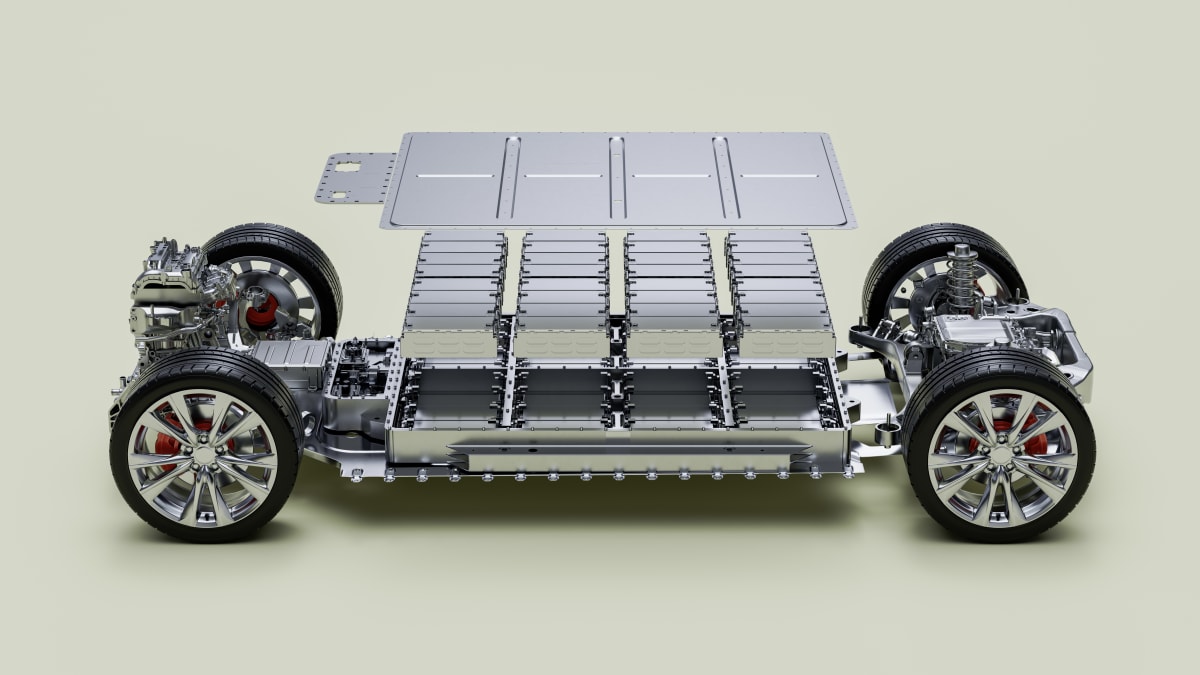
Scientists installed the battery in a prototype vehicle built by China Automotive New Energy Battery, a subsidiary of China FAW Group. The complete battery pack delivers 142 kilowatt-hours of total capacity and maintains 288 Wh/kg at the system level after accounting for cooling systems and safety hardware.
What makes this battery special goes beyond range. The hybrid solid-liquid design uses a "super-wetting" electrolyte that spreads across battery materials like water on a freshly waxed car, maximizing contact and helping ions move more efficiently. This approach combines the safety benefits of solid-state technology with improved performance.
Safety improvements matter too. Traditional lithium-ion batteries use flammable liquid electrolytes that can catch fire in crashes or malfunctions. The solid electrolyte components in this new design are non-flammable and resist the metal spike growth that causes short circuits in conventional batteries.
The current 620-mile range already beats the best EVs on the market today. According to EV.com, the median range for 2024 electric vehicles was just 283 miles, with the top performer reaching 512 miles.
The Ripple Effect
This breakthrough addresses one of the biggest barriers to EV adoption: range anxiety. When drivers know they can travel over 600 miles without stopping to charge, electric vehicles become practical for road trips and long commutes, not just city driving.
The research team says future versions could exceed 1,000 miles per charge by boosting pack-level density to 340 Wh/kg and total capacity to 200 kWh. Demonstrations of these next-generation batteries are expected to begin later this year.
The technology also simplifies manufacturing of the lithium anode, potentially reducing production costs. Lower costs combined with longer range could finally make EVs competitive with gas-powered vehicles on both price and convenience.
While the results haven't been independently verified in peer-reviewed research yet, the work represents a major step forward in moving solid-state batteries from laboratory experiments to highways. The combination of university research and industrial manufacturing partnership suggests this technology could reach consumers faster than previous battery breakthroughs.
A 1,000-mile electric vehicle isn't science fiction anymore—it's an engineering challenge that's being solved right now.
More Images


Based on reporting by Live Science
This story was written by BrightWire based on verified news reports.
Spread the positivity!
Share this good news with someone who needs it