Chinese EV Maker Unveils Battery That Works at -30°C
Chery just announced the first electric vehicle powered by a solid-state battery that maintains full range even in Arctic temperatures. The breakthrough could finally solve EVs' cold-weather struggle.
Imagine driving an electric car through a brutal winter and actually getting better range than your gas-powered neighbor. That future just got closer.
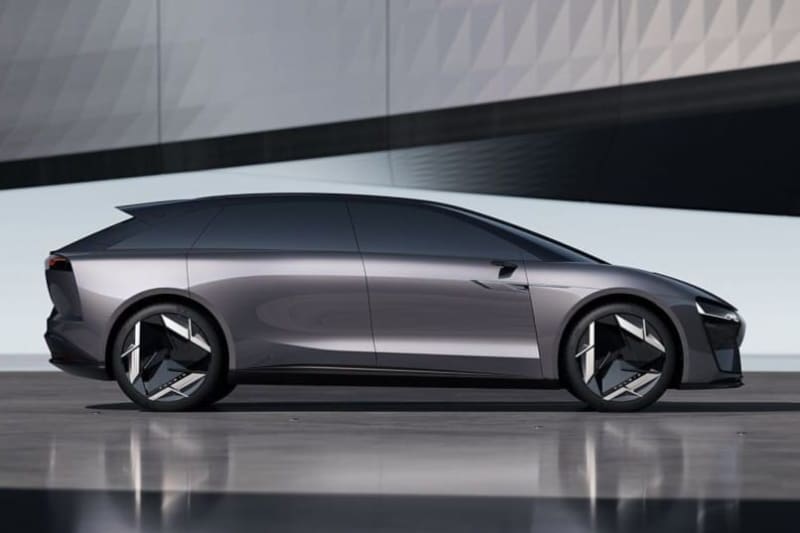
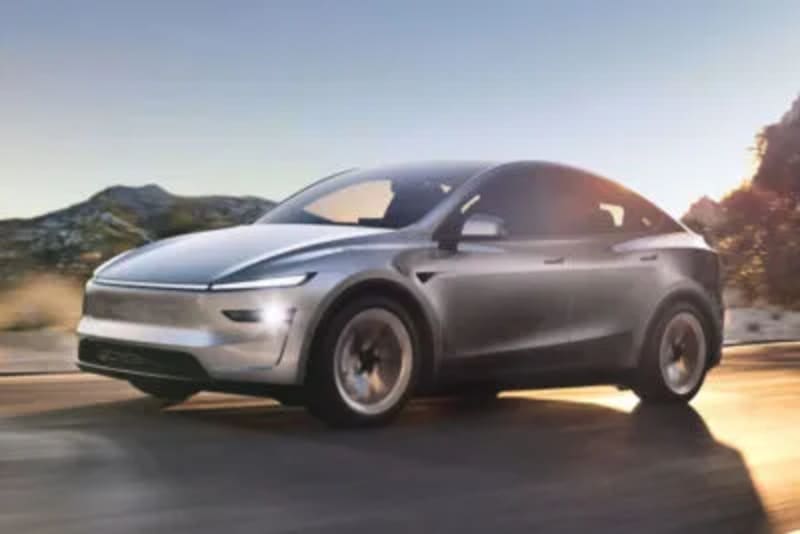
Chinese automaker Chery announced it will launch the Liefeng, the world's first production electric vehicle with solid-state battery technology, later this year. The game-changing part? This car promises a 932-mile range even when temperatures plunge to -30°C (-22°F).
Anyone who's driven an EV in winter knows the frustration of watching battery life drain faster than a smartphone in a snowstorm. Traditional lithium-ion batteries can lose up to 40% of their range in freezing conditions, leaving drivers anxious and stranded.
Chery's breakthrough comes from its Solid-State Battery Research Institute, which developed a battery with an energy density of 600 Wh/kg. That's nearly double what most electric vehicles offer today. The secret lies in replacing the flammable liquid electrolyte found in regular batteries with a solid polymer system paired with lithium-rich manganese cathode material.
The Liefeng isn't just about surviving winter. With an 800-volt architecture and a 30,000 rpm electric motor, this shooting brake-style vehicle rockets from 0 to 60 mph in under 3 seconds and hits a top speed of 162 mph.
Chery is taking a smart, measured approach to rollout. The company will first deploy a small fleet exclusively in ride-sharing and rental services throughout 2026, carefully collecting real-world performance data. Mass production for consumers begins in 2027.
Why This Inspires
This announcement signals more than just one company's achievement. Solid-state batteries represent the holy grail of EV technology because they eliminate fire risk entirely while storing more energy in less space.
Western companies like QuantumScape (backed by Volkswagen since 2012) and Factorial (supported by Mercedes and Stellantis) are racing toward similar goals. Chery's move to production proves the technology has graduated from laboratory promise to driveway reality.
For anyone who's hesitated to go electric because of range anxiety or harsh winters, that excuse just melted away.
More Images
Based on reporting by Google News - Electric Vehicle
This story was written by BrightWire based on verified news reports.
Spread the positivity!
Share this good news with someone who needs it