
Chinese Families Save Italy's Coffee Bar Culture
Italy's beloved neighborhood coffee bars were vanishing as owners retired and their children left for other careers. Chinese immigrant families stepped in to preserve these cultural gathering spaces.
Italy's iconic coffee bars faced extinction just a generation ago, but immigrant families have become unlikely saviors of this cherished tradition.
For decades, coffee bars have been the heartbeat of Italian neighborhoods. They're where locals grab their morning espresso, pay utility bills, buy bus tickets, and catch up with neighbors over a pastry.
But between 2000 and 2020, thousands of these family-run bars closed their doors forever. The original owners, mostly rural migrants from southern Italy who opened shops in the 1960s and 70s, were retiring. Their better-educated children wanted different careers and weren't willing to work the grueling 12-hour days their parents endured.
Enter Chinese immigrant families, many from Wenzhou in eastern Zhejiang province. They saw an opportunity that perfectly matched their skills and ambitions.
These weren't newcomers to Italy. Most had spent years working in factories or as street vendors, slowly saving money just like the Italian generation before them. When the 2008 economic crisis hit, some needed to pivot to new industries entirely.
The timing couldn't have been better. Coffee bars require relatively low startup costs and no advanced technical training. The family-run model that Italians were abandoning was exactly how Wenzhou immigrants traditionally operated their businesses.
Why This Inspires
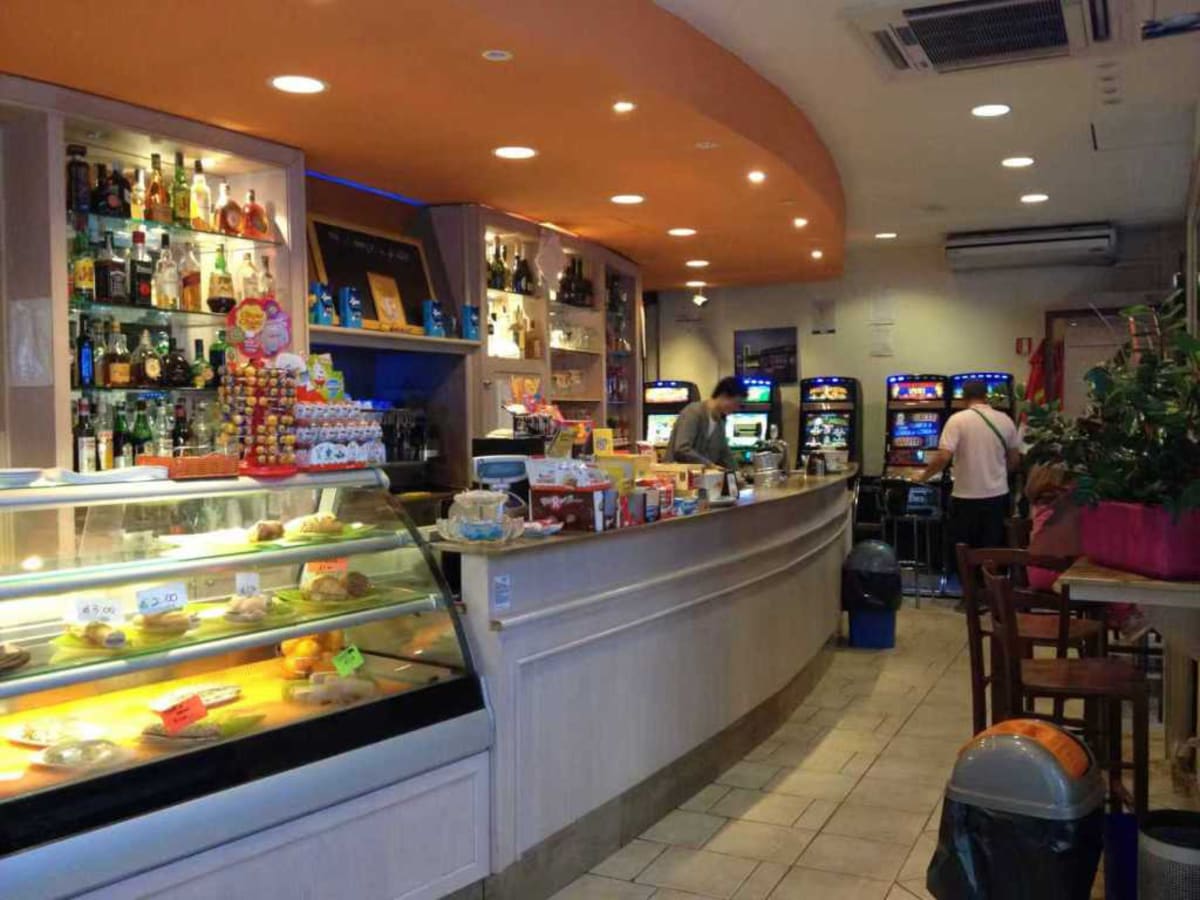
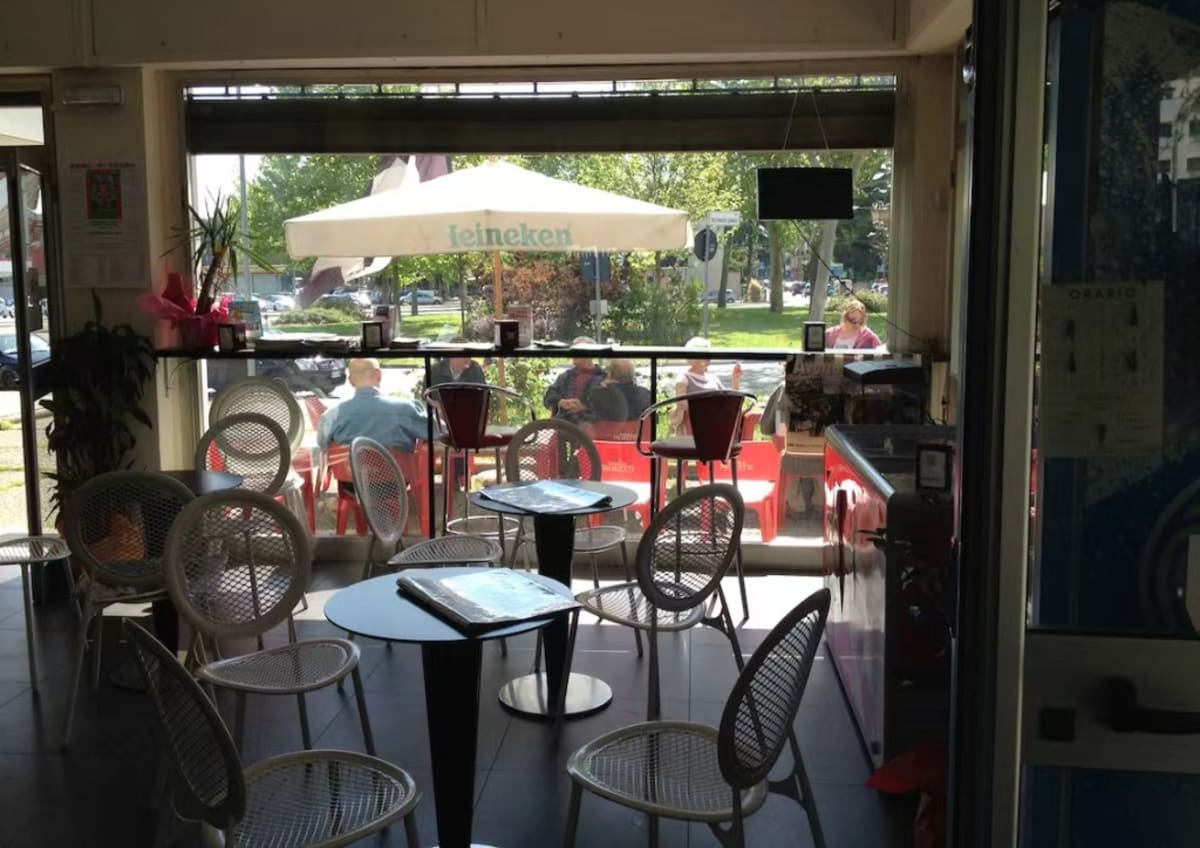
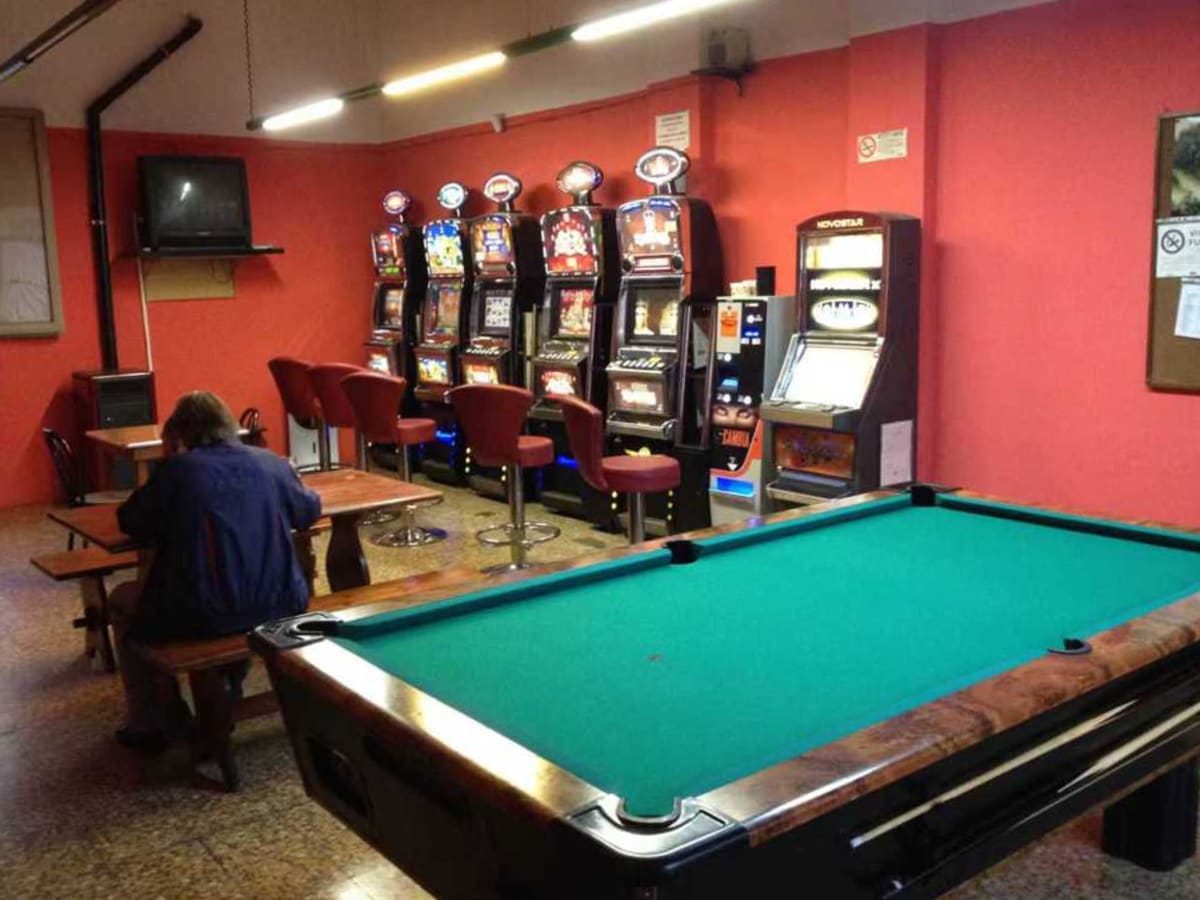
What makes this story remarkable is how Chinese families approached their new role. They kept the original décor, maintained the same services, and preserved the neighborhood gathering space that locals cherished.
These immigrants didn't replace Italian culture. They protected it when it was most vulnerable.
Anthropologist Grazia Ting Deng, who studied this phenomenon in Bologna, discovered about 20 Chinese-run coffee bars within walking distance of the city's historical center. A community once described by Italians as "invisible" had quietly moved to the very heart of Italian urban life.
The story challenges common narratives about immigration. This wasn't cultural displacement. It was cultural preservation driven by immigrant initiative meeting demographic reality.
Italy's aging population and low birth rate created a gap that needed filling. Chinese families, with their willingness to work long hours in family-run businesses, filled it while honoring the traditions they inherited.
One coffee bar near a traffic hub has served locals, office workers, and travelers since the 1990s, and after Chinese owners took over, they kept everything exactly as it was.
These families are now woven into the daily fabric of Italian life, serving espresso and conversation just like the generations before them.
More Images

Based on reporting by Sixth Tone
This story was written by BrightWire based on verified news reports.
Spread the positivity!
Share this good news with someone who needs it