Chinese Rice Tech Quadruples Uganda Farmers' Harvests
Over 100,000 Ugandan farmers have transformed their lives since 2012 through a partnership that brought Chinese agricultural experts to share drought-resistant crops and modern techniques. Rice farmer Robert Sagura now harvests four times more grain per acre than before.
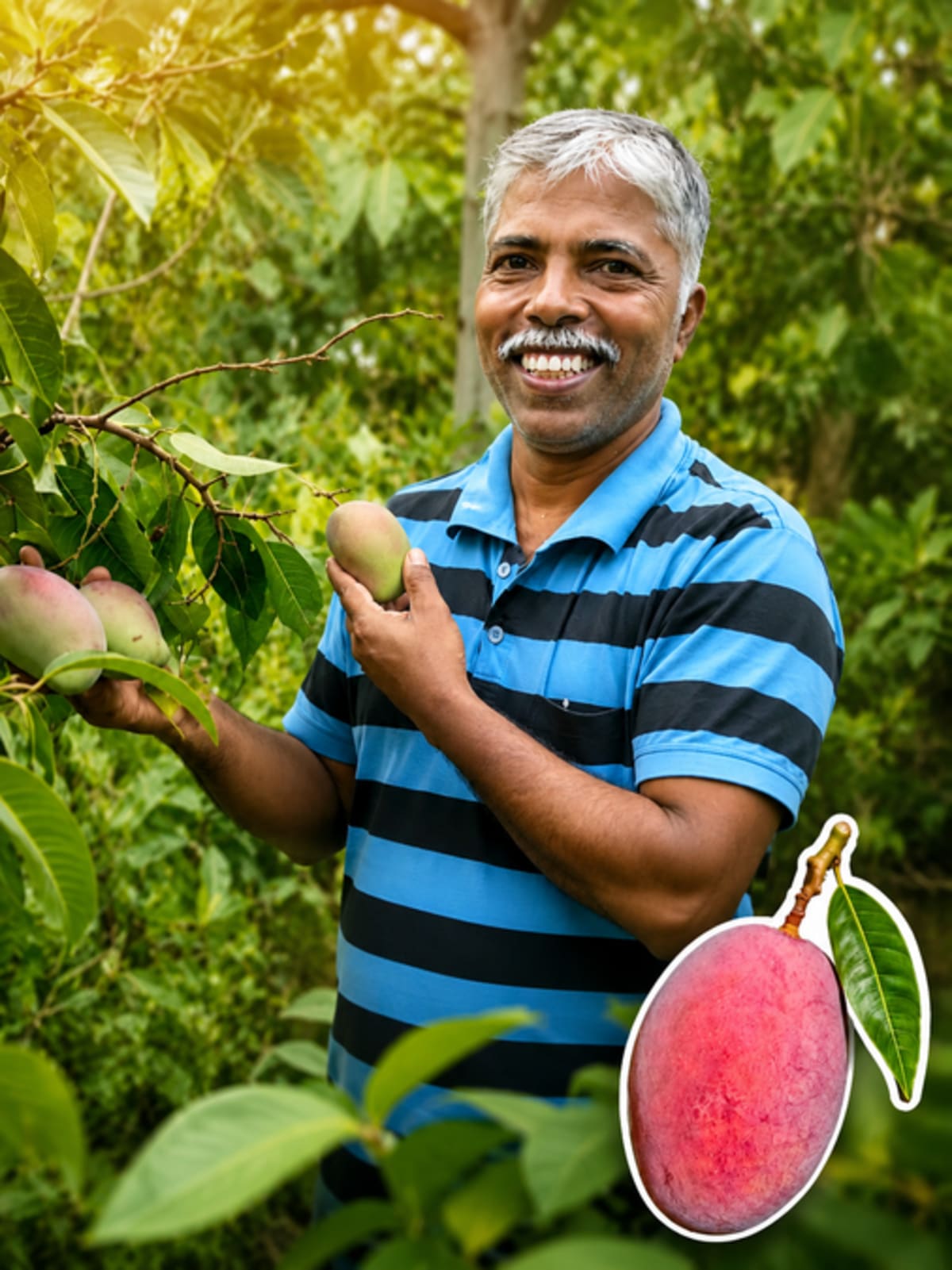
Robert Sagura has grown rice for over 40 years in eastern Uganda, but he'd never seen anything like what happened when Chinese agricultural experts arrived in his district. His harvest jumped from 500 kilograms per acre to over 2,000 kilograms per season.
Sagura is one of more than 100,000 Ugandans whose lives have changed through a partnership between China, Uganda, and the UN Food and Agriculture Organization that began in 2012. The program just completed its third phase after 14 years of transforming how smallholder farmers grow food.
China has sent more than 60 agricultural specialists to Uganda to work directly with local farmers and experts. They've shared knowledge on everything from pest management to line transplanting techniques, helping farmers shift from growing just enough food for their families to selling surplus crops for income.
The program established three agricultural technology hubs focusing on crops, livestock, and fisheries. One standout success is WDR-73, a high-yielding rice variety that thrives even during droughts, now being promoted across Uganda and benefiting nearly 5,000 households.
In Sagura's home district of Butaleja, over 500 rice farmers have adopted the Chinese techniques. "They gave us new technologies on how to improve our rice farming, such as line transplanting, pest management, and growing high-yielding hybrid rice compared to our local varieties," Sagura explained.
The Ripple Effect
The partnership extends far beyond rice fields. Chinese experts have worked on strategic crops including millet, sorghum, and chili peppers, plus livestock and fish farming. These aren't random choices but crops directly tied to food security and rural income in Uganda.
Uganda's Agriculture Minister Frank Tumwebaze says the project demonstrates how countries in the Global South can share knowledge and technology to transform their food systems. The timing matters especially now, as traditional donor support has declined due to global political tensions.
Chinese embassy officials note the program has cultivated a new generation of Ugandan agricultural professionals, ensuring the improvements outlast the partnership itself. The skills stay in Uganda, owned and sustained by local farmers and experts who can pass them on.
The collaboration supports Uganda's national priorities around turning subsistence farming into commercial agriculture and strengthening food security. For farmers like Sagura, those policy goals translate into concrete reality: quadruple harvests mean better nutrition, more income, and hope for the future.
This model of South-South cooperation proves that transformative progress doesn't require massive aid budgets, just the willingness to share what works.
More Images

Based on reporting by Google News - Cooperation Success
This story was written by BrightWire based on verified news reports.
Spread the positivity!
Share this good news with someone who needs it