Chinese Robotics Firm Ships 5,500 Humanoid Robots in 2025
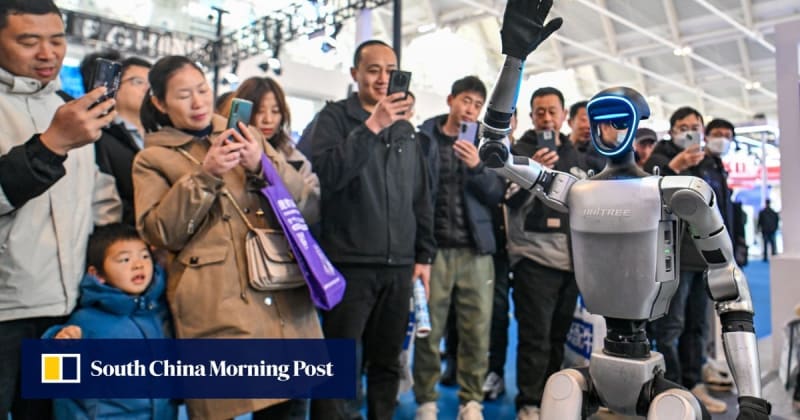
Unitree Robotics delivered more than 5,500 walking humanoid robots in 2025, outpacing American competitors by over 35 times. The milestone signals rapid progress in making advanced robotics accessible and affordable worldwide.
A Chinese robotics company just proved that humanoid robots are moving from science fiction to everyday reality faster than anyone expected.
Unitree Robotics, based in Hangzhou, shipped more than 5,500 full-body humanoid robots in 2025. That's not just impressive on its own. It's roughly 37 times more than what Tesla, Figure AI, and Agility Robotics each delivered during the same period.
The American companies shipped about 150 humanoid robots each last year, according to market research firm Omdia. Unitree's numbers cover only their bipedal, walking models and don't include wheeled robots or other products in their lineup.
The company actually produced over 6,000 units total in 2025. The difference between production and shipments suggests strong demand with orders still being fulfilled.
Unitree isn't alone in this robotics surge. Shanghai-based competitor AgiBot shipped more than 5,000 units and generated over $142 million in revenue for the year. The competition between these companies is driving innovation and pushing prices down, making humanoid robots more accessible to businesses and researchers.
The achievement comes as Unitree prepares for a public stock listing on the Chinese mainland. The company's rapid scale-up shows they've moved past the prototype phase into genuine mass production.
The Ripple Effect
This manufacturing milestone matters beyond just impressive numbers. When humanoid robots become affordable and available at scale, they can fill critical labor shortages in warehouses, factories, and care facilities. They can take on dangerous jobs that put human workers at risk.
The competition between Chinese and American robotics firms is accelerating innovation on both sides. As production scales up and costs come down, more industries gain access to automation technology that was once limited to wealthy tech giants. Small manufacturers, research labs, and specialized facilities can now consider humanoid robots as practical tools.
China's push into mass production is also creating pressure on global competitors to ramp up their own manufacturing capabilities. That competition benefits everyone as it drives better technology, lower prices, and more practical applications.
The robotics revolution that futurists have predicted for decades is finally arriving at factory floors and warehouses around the world.
More Images




Based on reporting by South China Morning Post
This story was written by BrightWire based on verified news reports.
Spread the positivity!
Share this good news with someone who needs it