Chinese Solar Cell Hits Record 28% Efficiency
Scientists in China just set a world record for next generation solar cells that are lightweight, flexible, and can be printed like ink on paper. The breakthrough solves a major durability problem that has held back the technology for years.
Imagine solar panels thin enough to wear on your jacket or flexible enough to coat a building's windows. Chinese scientists just made that future a lot closer by setting a new world record for solar cell efficiency.
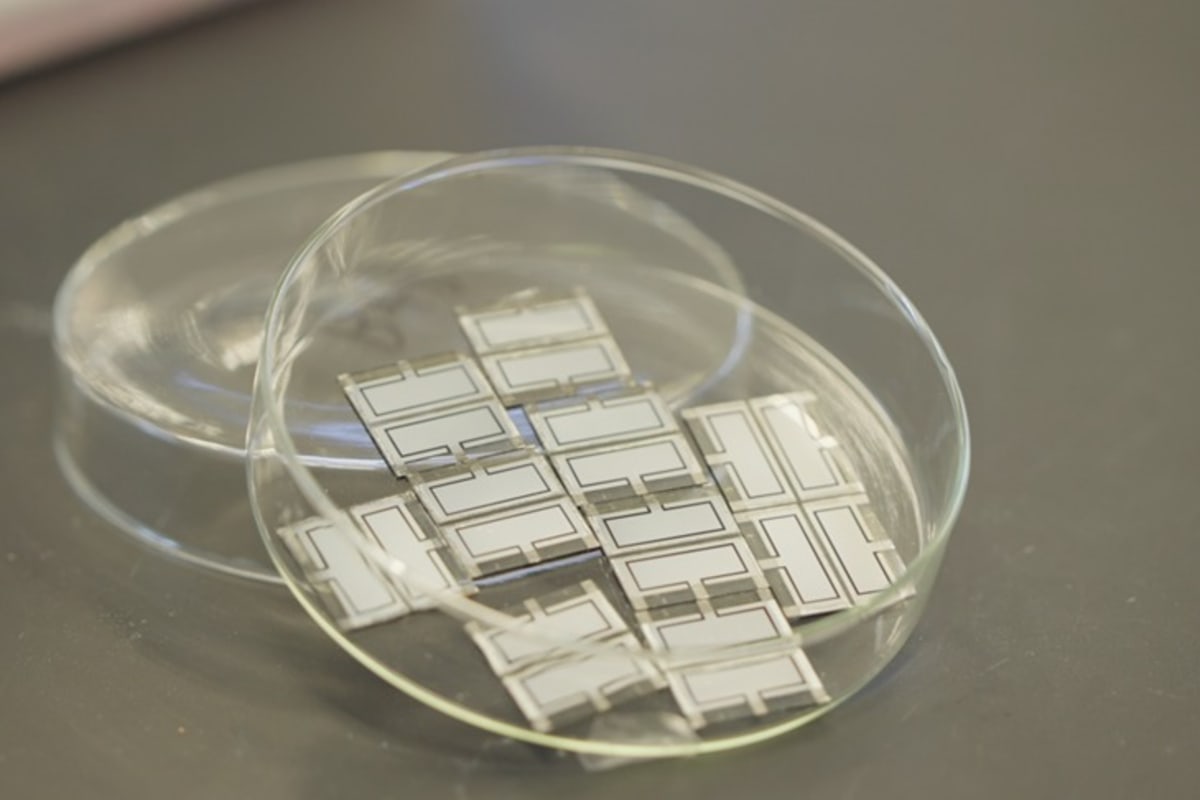
Researchers at the Chinese Academy of Sciences achieved a certified power conversion efficiency of 28.04 percent using a next generation perovskite organic tandem solar cell. The study published Monday in the journal Nature represents a major leap forward for solar technology.
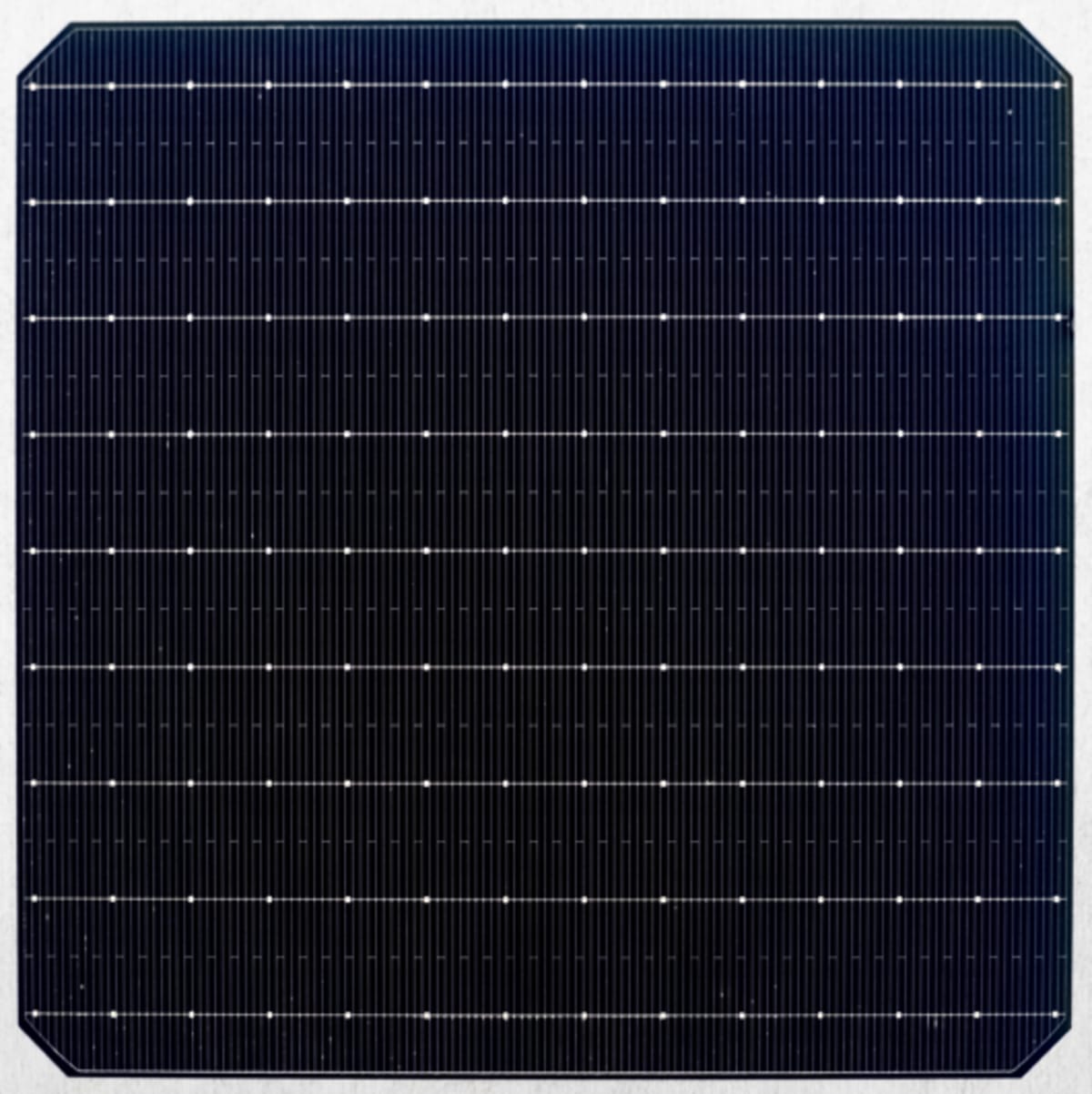
Unlike traditional silicon solar panels that are rigid and require extremely high temperatures to manufacture, these new cells use synthetic crystal structures called perovskites combined with organic materials. They're lightweight, flexible, and can be printed at low temperatures similar to printing ink on paper, making them far cheaper and easier to produce at scale.
The tandem design is clever. The top perovskite layer captures high energy ultraviolet light while the organic bottom layer absorbs near infrared light. Working together, the top layer shields the organic material from damaging UV rays while the water resistant organic layer protects the moisture sensitive perovskite above it.
For years, these hybrid cells faced a critical problem. The perovskite layer contains different chemical components that naturally separate over time, especially under sunlight. This separation creates microscopic defects that cause the cells to degrade rapidly, making them impractical for real world use.
The research team solved this with a smart molecule called TDB that acts as a two stage stabilizer. During manufacturing, it helps the chemicals mix evenly. Then once the solar cell is operating in sunlight, the light triggers TDB molecules to transform and bind tightly to the material's surface, preventing the harmful separation.
The results are impressive. The optimized perovskite layer achieved an open circuit voltage of 1.42 volts, a record for this class of solar cell. More importantly, the device retained 90 percent of its initial performance after 625 hours of continuous illumination under testing.
The Ripple Effect
This breakthrough could accelerate clean energy adoption in ways we haven't imagined yet. Building windows that generate power. Wearable electronics that never need charging. Drones with extended flight times. Portable power packs for disaster relief.
The technology also opens doors for space applications. These ultra lightweight cells could power satellites, space stations, and deep space missions far more efficiently than current technology. Every gram matters in space, and flexible solar cells that can be rolled up for transport represent a game changer.
Professor Li Yongfang, an academician at the Chinese Academy of Sciences and corresponding author of the study, emphasized that the technology holds strong potential for both ground level and aerospace applications. The ability to print solar cells at low temperatures means manufacturing could scale up quickly once commercialization begins.
The global transition to clean energy just got a powerful new tool, one that's flexible, efficient, and built to last.
More Images
Based on reporting by Google: solar power breakthrough
This story was written by BrightWire based on verified news reports.
Spread the positivity!
Share this good news with someone who needs it