Chinese Students Choose Trade Schools Over Universities
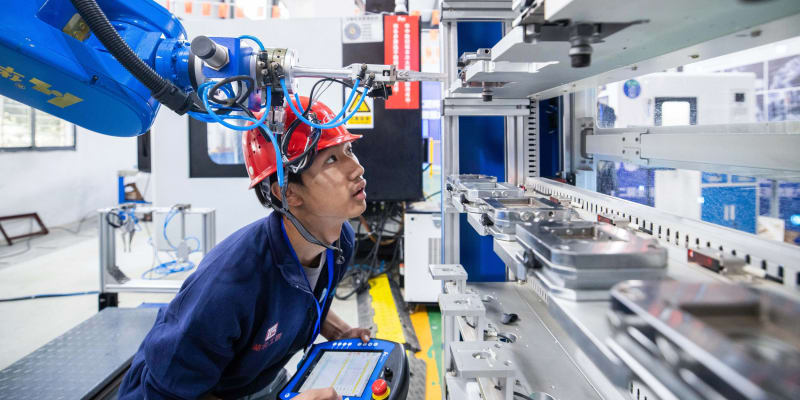
In China, students with high exam scores are now choosing vocational colleges over traditional universities, betting on practical skills and faster employment. It's a shift driven by economics, job market reality, and a growing respect for hands-on training.
Ke Chenxi scored high enough on China's intense college entrance exam to attend a private university, but he enrolled in vocational college instead.
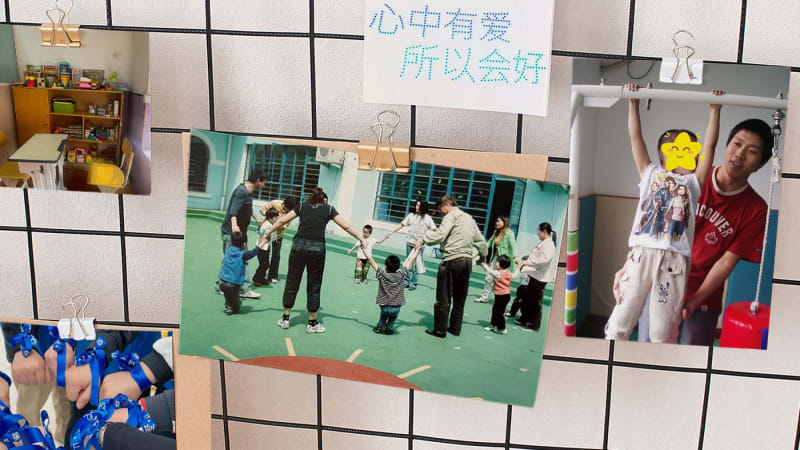
With a mortgage weighing on his family and an older sibling already in university, Ke and his parents questioned whether another four-year degree made financial sense. At Wuhan City Vocational College, his three-year early childhood education program offers intensive internships and direct pathways to employment.
"What attracted me was the hands-on training and the chance to intern early," Ke tells Sixth Tone. "It's more practical and gets me ready to work."
He's not alone. With 12.22 million university graduates entering China's job market in 2025, competition has intensified and employers increasingly value practical skills over academic credentials.
The numbers tell the story. Employer demand for master's graduates dropped from 20.3% in 2024 to 17.4% in 2025, while demand for vocational graduates rose from 8.5% to 11%. Vocational graduates now post the highest job offer rates in the country, outperforming every other education level.
Professor Gao Shanchuan at Fudan University calls it the weakening of the "earning effect," the long-held belief that academic degrees guarantee higher pay. "Young people are starting to evaluate education more pragmatically," he explains.
Wuhan, home to over 80 universities, has become an unlikely leader in this transformation. Some vocational colleges now report placement rates exceeding 98%, matching or beating traditional universities.
The Ripple Effect
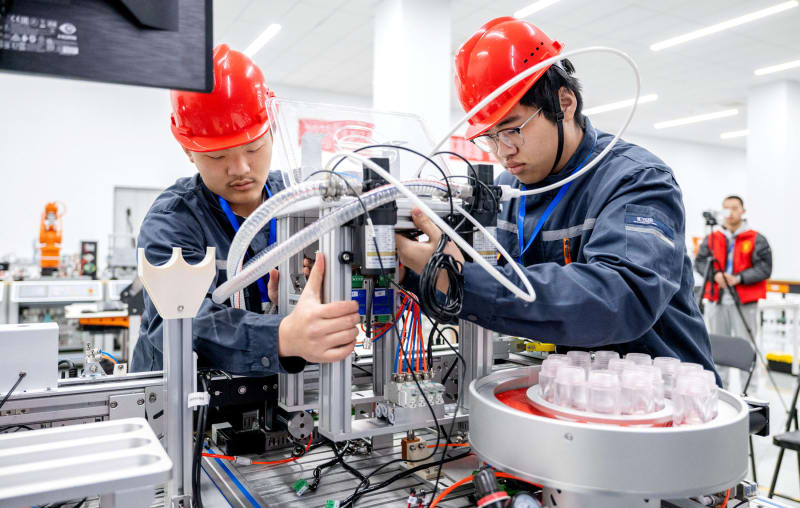
The shift is reshaping how China thinks about education and success. Vocational programs now partner directly with local companies, updating courses based on real industry needs rather than academic tradition.
Professor Zhuo Ping's program brings kindergarten principals into classrooms as teachers and sends faculty to work in actual kindergartens each year. Simulation labs replicate real workplace conditions, giving students experience before they graduate.
"By the time we graduate, we've already spent long periods working on the frontline," Ke says. "That's what gives us an edge."
China's national education plan for 2024 to 2035 now elevates vocational training to a priority, committing expanded funding and upgraded facilities. The government expects rapid growth in vocational undergraduate programs and skill-based universities.
Xiao Mian, who recruits for a media company in Wuhan, sees the practical difference. Vocational graduates execute tasks well and adapt quickly to hands-on work like filming and editing.
The transformation reflects something deeper than job placement numbers. Students are choosing paths based on their strengths and goals rather than simply chasing prestige, while society slowly embraces a broader definition of success beyond traditional academic credentials.
Ke's advice to other students captures the moment: "Don't choose a university just because your score allows it."
More Images

Based on reporting by Sixth Tone
This story was written by BrightWire based on verified news reports.
Spread the positivity!
Share this good news with someone who needs it
%2Ffile%2Fattachments%2F2997%2FStudentslistentoateacheratCwebeniJuniorSecondaryschoolonFebruary22024inCwebeniaruralvillageoutsidePortStJohnsSouthAfrica_751896.jpg)