Chinese Tech Firms Tap Young Scientists Under 35 for AI
China's biggest tech companies are betting on millennials and Gen Z researchers to lead their artificial intelligence breakthroughs. The move signals a new era where youth and fresh perspectives drive innovation in the world's most competitive tech race.
The future of artificial intelligence is getting younger, and China's tech giants are leading the charge by putting their boldest bets on researchers barely out of grad school.
Tencent, one of China's largest tech companies, made waves by appointing 28-year-old Vinces Yao Shunyu as chief AI scientist. The former OpenAI researcher helped create the company's first AI agents and now reports directly to Tencent's president.
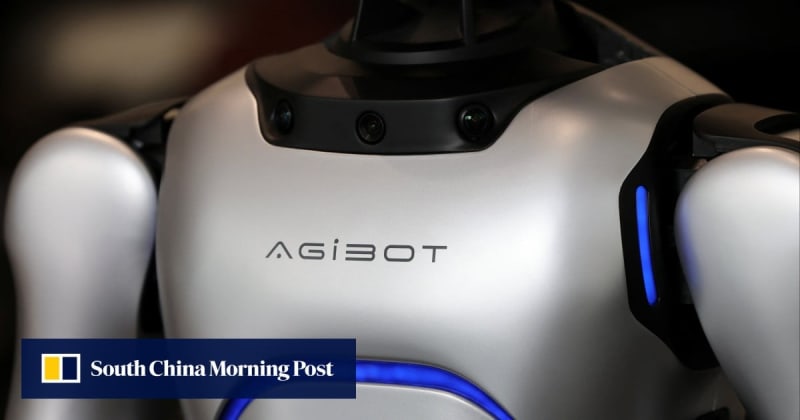
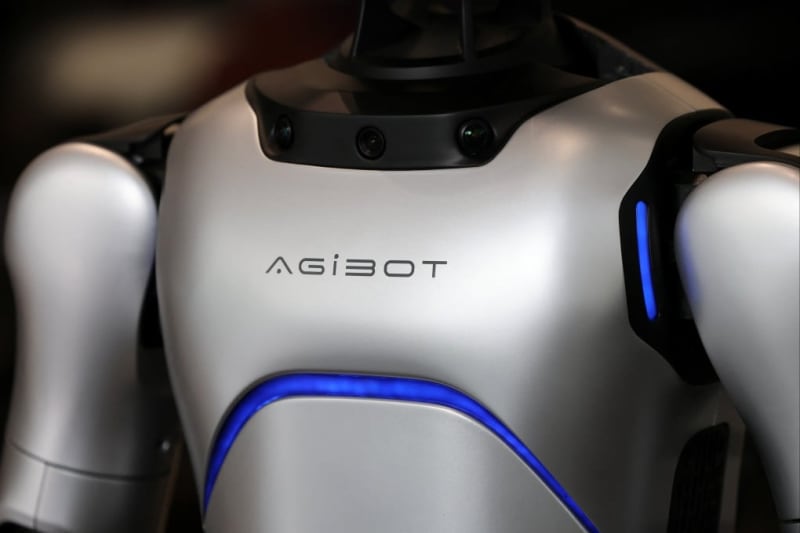
Yao isn't alone in this youth movement. Robotics company PrimeBot named Peking University professor Dong Hao as chief scientist in January, and he was born after 1990. AgiBot's chief scientist Luo Jianlan is just 33 and previously worked at Google's innovative "moon shot factory."
These aren't token appointments or PR moves. Chief scientists at major tech firms focus on fundamental research and long-term strategy rather than immediate products. They build what experts call "technological barriers" that keep companies competitive for years to come.
The trend mirrors similar moves at American tech giants. Meta appointed Zhao Shengjia, the co-creator of ChatGPT, as chief scientist of its Superintelligence Lab while he was in his early 30s. OpenAI's current chief scientist Jakub Pachocki is around 35 years old.
What makes these young scientists valuable goes beyond their technical skills. They grew up alongside the technologies they're now advancing and bring fresh approaches to problems that have stumped previous generations.
The Ripple Effect
This generational shift in leadership could reshape how quickly AI advances worldwide. Companies choosing chief scientists over simply promoting chief technology officers signal they're investing in breakthrough research rather than just improving existing products.
The strategy reflects confidence that fundamental scientific discovery, not just engineering prowess, will determine which companies lead the AI revolution. By appointing researchers in their twenties and thirties, these firms are making decade-long bets on sustained innovation.
Other Chinese tech companies are watching closely. The success of these young chief scientists could inspire more firms to look beyond traditional experience requirements when filling top research roles.
China's tech sector has shown it's willing to trust brilliant minds regardless of age, and that openness might be exactly what pushes the entire field forward faster.
More Images

Based on reporting by South China Morning Post
This story was written by BrightWire based on verified news reports.
Spread the positivity!
Share this good news with someone who needs it