Chinese Women Break Health Taboos in Film and Online
A groundbreaking Chinese film depicts painful gyno exams and menstrual health, topics rarely shown publicly. Young women across China are increasingly using movies, social media, and public platforms to normalize conversations about their bodies and needs.
When audiences gasped at a brutal gynecological exam scene in the new film "It's OK," it marked a cultural turning point for Chinese women's health conversations.
The movie, which opened April 3rd, follows 25-year-old Xu Ke through experiences millions of Chinese women face but rarely discuss openly. In one scene, a doctor roughly inserts a speculum without proper care, causing Xu to fall off the examination table in pain.
The film doesn't stop there. Xu faces another common barrier when doctors require her family's permission for uterine polyp surgery because she's never had sex, citing concerns about her hymen.
But the protagonist refuses to stay quiet. After bleeding through her pants during a school race and being filmed by students, Xu turns the embarrassing moment into education by teaching her class about menstruation and installing a pad dispenser.
These aren't just movie moments. They reflect real conversations happening across China as young women challenge old taboos through films, talk shows, books, and social media.
The story also tackles domestic violence and workplace sexual harassment through Xu's mother, who escaped an abusive marriage only to face harassment as a domestic worker. These layered narratives show how different generations of women experience similar struggles.
The Ripple Effect
What makes this cultural shift remarkable is how it's spreading beyond entertainment. Women across China are using these stories as springboards for their own advocacy, creating communities where discussing periods, gynecological health, and bodily autonomy becomes normal rather than shameful.
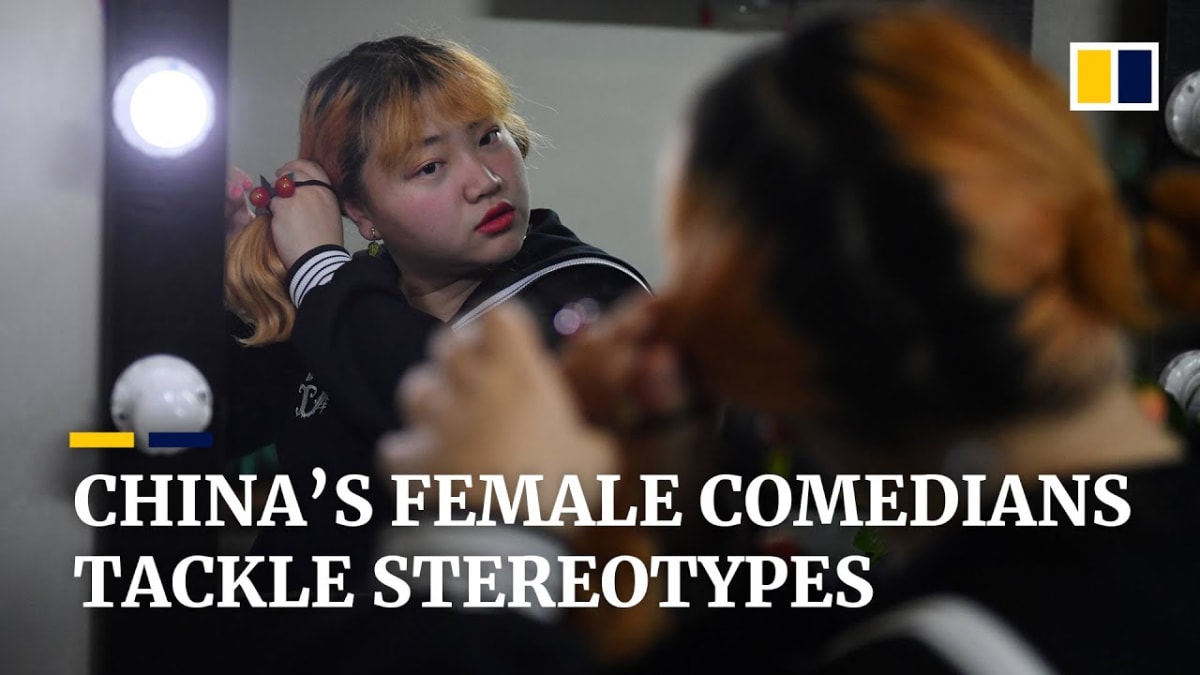
Stand-up comedians are tackling gender stereotypes on stage. Social media users are sharing their own medical experiences and demanding better treatment from healthcare providers.
The film's bold opening scene, where Xu publicly addresses menstruation instead of hiding it, represents a broader movement of young Chinese women refusing to let shame dictate their lives. By speaking up about uncomfortable experiences, they're making these conversations easier for the next person.
This wave of openness marks a departure from traditional expectations that women should quietly endure discomfort and defer to family or medical authority without question.
As more women see their experiences reflected in popular culture, the topics that were once whispered about in private are becoming mainstream conversations that could reshape how an entire generation thinks about women's health and autonomy.
More Images
.jpg%3Fitok%3DH5_PTCSf%26v%3D1700020945)

Based on reporting by South China Morning Post
This story was written by BrightWire based on verified news reports.
Spread the positivity!
Share this good news with someone who needs it