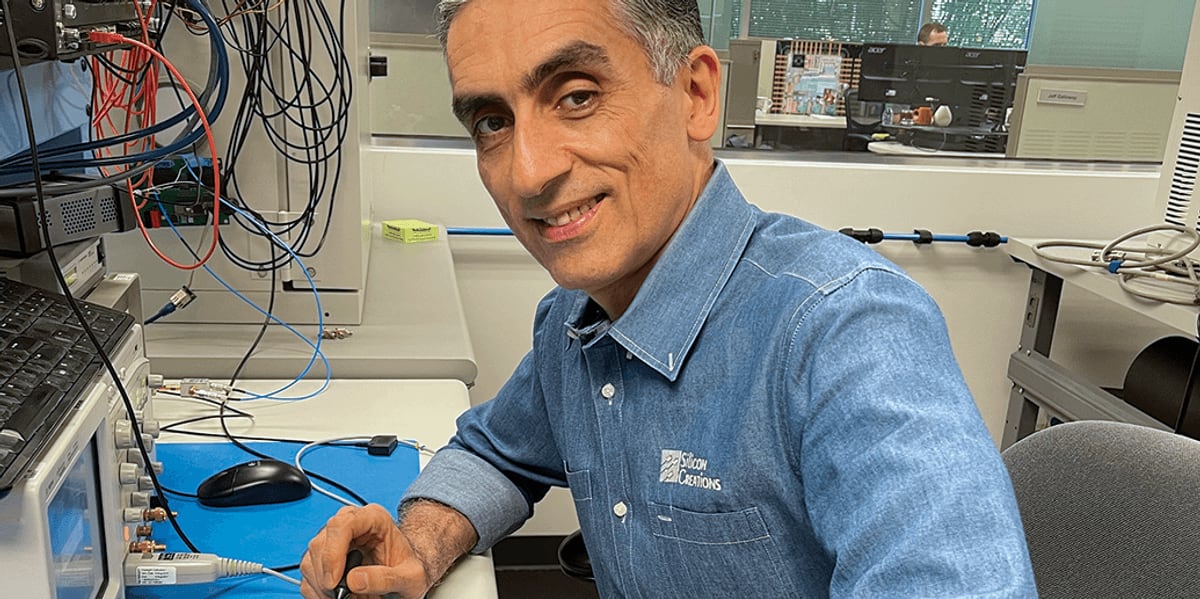
Chip Designer Shares How He Thrived After Academia
After two decades as a university professor, Maysam Ghovanloo made the leap to industry chip design and discovered a whole new world. His insights reveal why the booming semiconductor field needs more designers and what academics should know before making the switch.
A career designing computer chips looks completely different depending on whether you're working in a university lab or at a tech company, and IEEE Fellow Maysam Ghovanloo learned that the hard way.
After nearly 20 years as a professor, Ghovanloo joined Silicon Creations in 2019 and faced a steep learning curve. The skills that made him successful in academia didn't always translate to industry work, where the rules of the game are fundamentally different.
In universities, Ghovanloo's goal was creating new knowledge and pushing boundaries. A successful chip proved a concept, even if it only worked once. But in industry, proving something can work isn't enough. Chips must work reliably, repeatedly, and at massive scale.
That difference shapes everything. Academic designs deliberately explore unproven territory, where even partial success yields valuable insights. Industry designs systematically minimize risk because failure costs millions. At advanced technology levels, just the masks used to transfer circuit designs onto silicon wafers can cost tens of millions of dollars.
Why This Inspires
Ghovanloo's honest account of his transition comes at a perfect time. The semiconductor industry is projected to hit $1 trillion by 2030, and the market for specialized chips is expected to grow from $23.4 billion to $38.8 billion by 2033. The industry desperately needs more chip designers, but many academics don't realize how different the work truly is.
His experience highlights a growing challenge. Since the mid-2010s, when companies adopted FinFET technology using vertical silicon structures, the gap between academic and industry chip design has widened dramatically. Development costs have risen nearly tenfold, putting cutting-edge work out of reach for many university researchers.
Today, most advanced chips contain blocks of silicon intellectual property licensed from specialized companies rather than designed in-house. Up to 80 percent of physical space in modern chips comes from these prefabricated components. It's similar to software developers using existing libraries instead of writing every function from scratch.
For Ghovanloo, learning to work with proven, reusable solutions instead of always inventing from scratch required a complete mindset shift. But understanding this reality helped him contribute to an industry creating the specialized chips powering everything from electric vehicles to artificial intelligence.
His message to other academics considering the switch is clear: expect to learn new skills and adopt new thinking, but know that your expertise still matters in an industry hungry for talent.
More Images
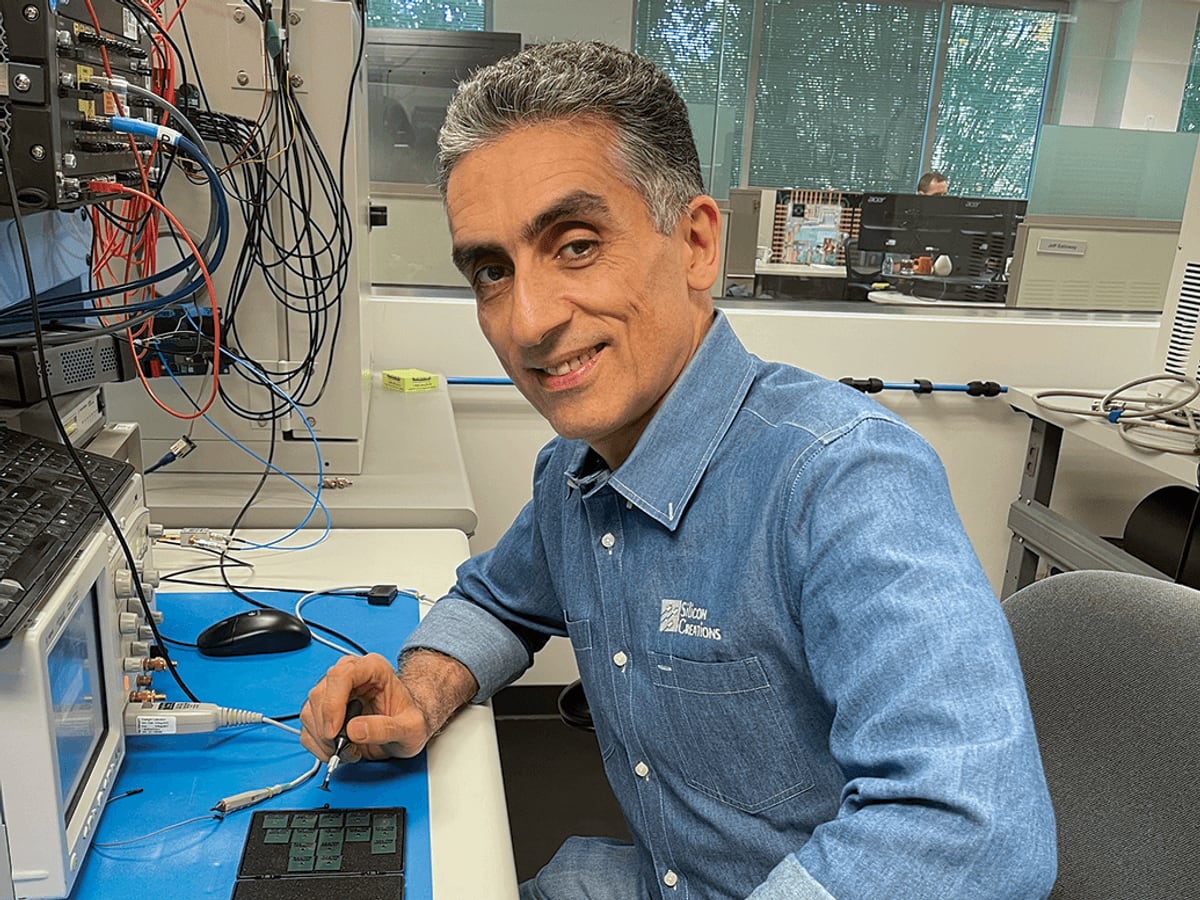
Based on reporting by IEEE Spectrum
This story was written by BrightWire based on verified news reports.
Spread the positivity!
Share this good news with someone who needs it