Cholera Cases Drop 90% in Congo Town After 8-Week Push
In just eight weeks, emergency responders turned around the worst cholera outbreak in five years in eastern Congo, cutting cases by 90%. The breakthrough came from restoring clean water access and rapid medical response in a region disrupted by conflict.
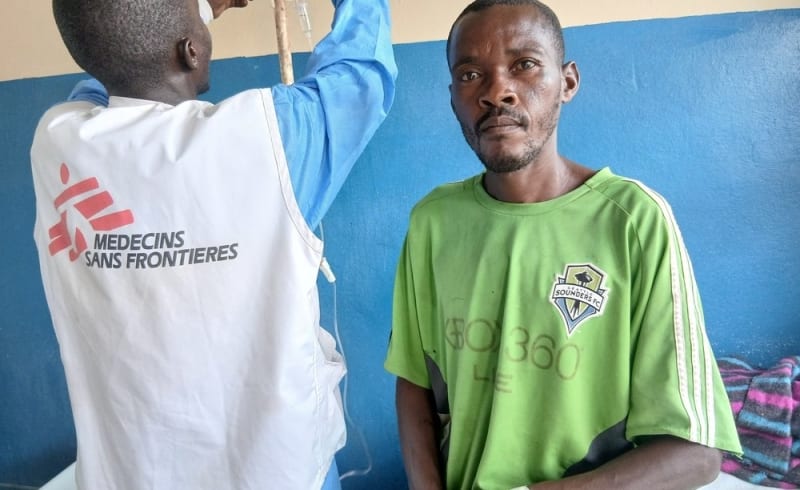
When 48-year-old farmer Tanishaka woke with excruciating stomach pains in the middle of the night, he became one of over 800 people struck by the worst cholera epidemic to hit Sangé, Congo in five years. Today, thanks to an eight-week emergency response, the outbreak is under control and cases have plummeted by 90%.
The crisis in this eastern Democratic Republic of Congo town had been brewing for months. Armed conflict made the two main water collection points inaccessible, and their filtration systems clogged with sand and dirt.
Families like Busime's had no choice but to drink untreated water from the river. Her three-year-old daughter Gisele became so dehydrated she couldn't get out of bed.
Doctors Without Borders jumped into action, supporting the cholera treatment center at Sangé General Hospital and setting up more than 50 water chlorination points across the region. Working alongside community members, the team cleaned up water collection points and restored safe drinking water access.
Medical team leader Mamadu Diallo identified the core problem quickly. "Due to the presence of armed groups, it was impossible for people to access water collection points," he explains. "People were deprived of safe drinking water."
The situation was complicated by ongoing conflict that kept displacing families into the area. Many arrivals had never learned cholera prevention measures, creating perfect conditions for the disease to spread in crowded, unsanitary living conditions.
The Ripple Effect
The response went beyond immediate medical treatment. Health promotion supervisor Elisé Wilondja and his team are now training community leaders to recognize early warning signs and apply preventive hygiene measures.
Residents are learning how to properly wash water containers that might be contaminated. This education creates a lasting shield against future outbreaks in this cholera-prone region.
The victory matters especially for families like Nakitula's, a 25-year-old farmer who returned to Sangé despite the risks because he had no way to survive elsewhere. People forced to choose between conflict zones and disease outbreaks now have one less threat to worry about.
When clean water flows again, entire communities can rebuild.
Based on reporting by AllAfrica - Headlines
This story was written by BrightWire based on verified news reports.
Spread the positivity!
Share this good news with someone who needs it