Cholera Vaccines Resume in Africa After 3-Year Shortage
For the first time in over three years, preventive cholera vaccination campaigns are restarting worldwide as global vaccine production has doubled. Mozambique became the first country to receive doses, with 20 million vaccines now heading to three nations hit hardest by outbreaks.
After years of desperate shortages, the world finally has enough cholera vaccines to stop outbreaks before they start instead of just reacting when people get sick.
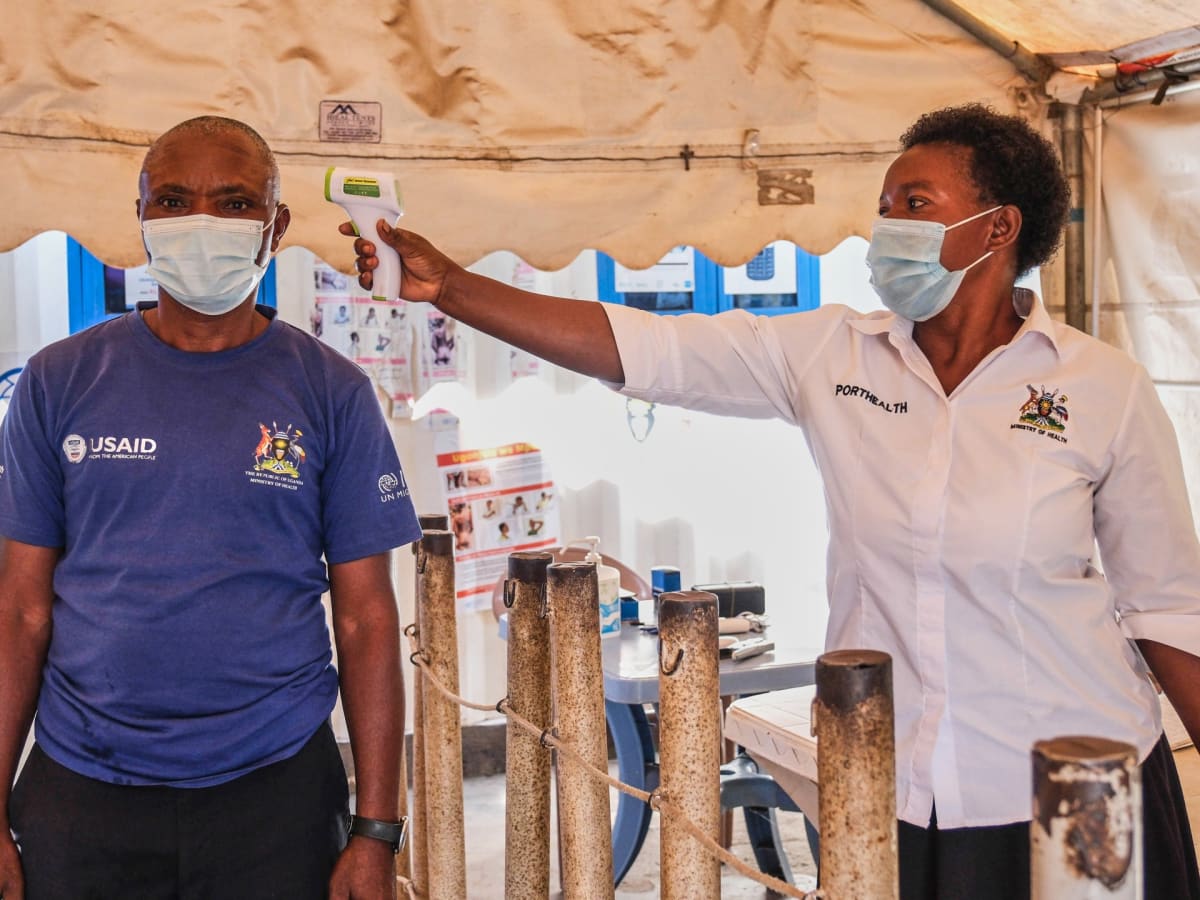
Mozambique kicked off the first preventive vaccination campaign this week, receiving 3.6 million doses. The timing couldn't be more critical. Recent floods displaced over 700,000 people and destroyed water systems, creating perfect conditions for cholera to spread.
The vaccine shortage began in 2022 when cholera cases surged globally. Health workers had to choose between preventing future outbreaks and responding to current emergencies. Prevention lost every time.
Now, global vaccine production has doubled from 35 million doses in 2022 to nearly 70 million in 2025. That breakthrough came from years of collaboration between health agencies, manufacturers, and partners who refused to accept the status quo.
The World Health Organization, UNICEF, and Gavi worked together to make this moment possible. They're deploying 20 million doses right now. Beyond Mozambique, 6.1 million doses are heading to the Democratic Republic of Congo and 10.3 million to Bangladesh.
Dr. Tedros Adhanom Ghebreyesus, WHO Director-General, celebrated the milestone while acknowledging the challenge ahead. "Global vaccine shortages forced us into a cycle of reacting to cholera outbreaks instead of preventing them. We are now in a stronger position to break that cycle."
Cholera spreads through contaminated water and food, causing severe diarrhea and dehydration that can kill within hours without treatment. It thrives in areas without clean water and sanitation, especially in communities affected by conflict and poverty.
Last year alone, more than 600,000 cases and nearly 7,600 deaths were reported across 33 countries. Those numbers are likely underestimates since many cholera cases go unreported.
The vaccine is safe for anyone over one year old. A single dose provides at least six months of protection and can help control outbreaks. Two doses extend that protection to three years.
The Ripple Effect
This vaccine breakthrough does more than prevent disease. It gives communities breathing room to rebuild water systems and sanitation infrastructure that provide lasting protection.
Catherine Russell, UNICEF Executive Director, emphasized that vaccines are just the beginning. "Resuming preventive cholera vaccination will protect children and help stop this highly contagious disease in its tracks. But it must go hand in hand with other efforts, including better access to safe water and basic sanitation."
The three countries receiving vaccines first were chosen through careful criteria to ensure fair, transparent distribution where the need is greatest. A partnership of over 50 organizations worked together to develop these guidelines.
While vaccine supplies are improving, health workers will continue using the one-dose strategy for outbreak responses to stretch supplies further. Two doses will be considered case by case as production continues to grow.
The path from shortage to sufficiency took persistence, but it proves what's possible when the world works together to solve problems that affect the most vulnerable.
More Images

Based on reporting by AllAfrica - Health
This story was written by BrightWire based on verified news reports.
Spread the positivity!
Share this good news with someone who needs it
%2Fcountries%2Fcambodia%2Fwho-khm_260619_ipc_virology03.tmb-1200v.jpg%3Fsfvrsn%3D71cd341e_1)