Cholesterol Treatment Cuts Forever Chemicals by Up to 76%
A blood filtering procedure for cholesterol patients is unexpectedly removing dangerous forever chemicals and microplastics from their bloodstream. The discovery could open new paths for understanding how to clear these pollutants from our bodies.
A treatment designed to save hearts might also be cleaning up some of the most stubborn pollutants in our bodies.
German researchers studying patients with severe cholesterol problems discovered something remarkable. The blood filtering procedure these patients receive also removed significant amounts of PFAS (forever chemicals) and certain microplastics, even though that wasn't what doctors were trying to do.
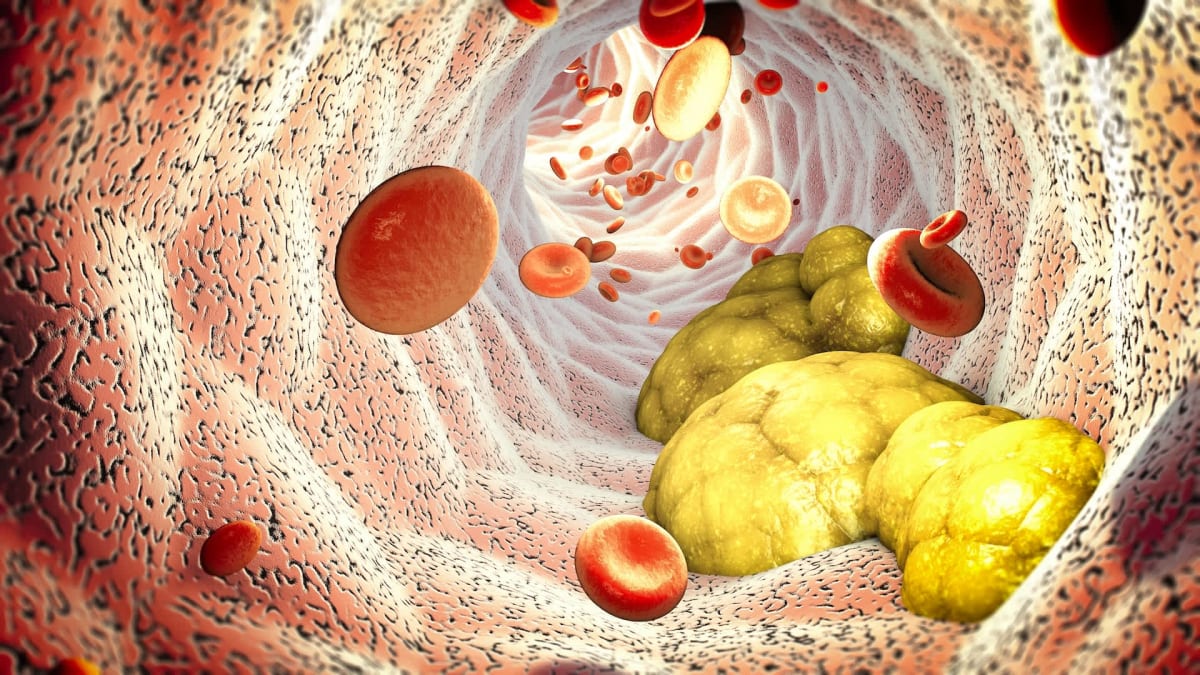
The treatment, called therapeutic apheresis, works like a medical car wash for blood. Patients have their blood cycled through an external filtering system that removes dangerous fat particles before returning the cleaned blood to their body. It's reserved for people whose cholesterol won't respond to medication alone.
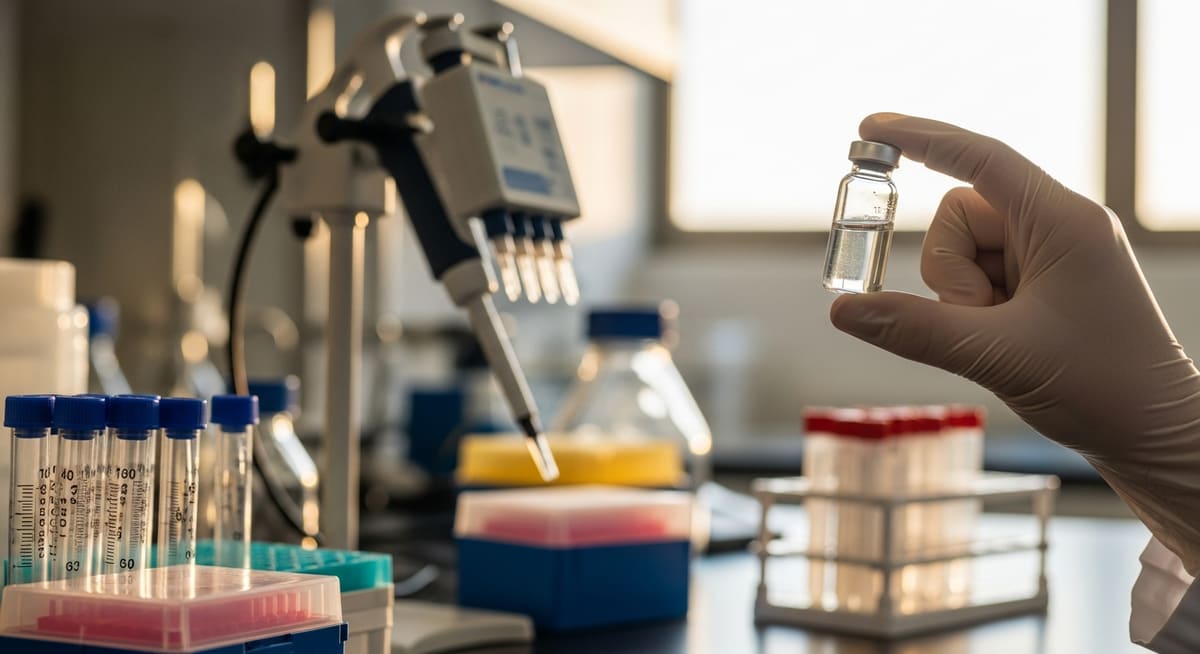
Researchers tested blood samples from patients immediately before and after treatment. They found drops in common PFAS ranging from 25% to an impressive 75.8%, depending on which chemicals they measured and how they tested for them.
"This was unexpected, as PFAS and microplastics are chemically distinct from lipoproteins and were not the intended targets of the treatment," Charlotte Steenblock, a molecular endocrinologist at Dresden University of Technology, told reporters.
PFAS earned the nickname "forever chemicals" because they stick around in our environment and bodies for years. They're in nonstick pans, waterproof jackets, food packaging, and drinking water. Scientists have linked them to health problems including immune issues, hormone disruption, and some cancers.
The Bright Side
This accidental discovery gives scientists a new window into how these stubborn pollutants move through our bodies. If a filtering system can pull them out of blood, researchers can study what the chemicals attach to and potentially develop better ways to remove them.
The team also saw drops in some microplastics, particularly polyethylene, though results varied more than with PFAS. Some plastic particles actually increased after treatment, possibly from contamination by the plastic tubes and bags used in the procedure itself.
Important context: therapeutic apheresis is intensive medical care for serious conditions, not a detox spa treatment. The study didn't track whether the reductions lasted or improved health outcomes. And the test only measured pollutants floating in blood at that moment, not what might be stored in organs like the liver or brain.
Researchers are calling for larger studies with standardized testing methods before anyone considers this as a pollution removal strategy. But the unexpected finding proves we're still learning how these chemicals behave in our bodies, and that's a hopeful first step toward solutions.
Sometimes the best discoveries are the ones we weren't looking for.
More Images



Based on reporting by Google News - Researchers Find
This story was written by BrightWire based on verified news reports.
Spread the positivity!
Share this good news with someone who needs it