Cincinnati Volunteers Fix 1,400 Appliances for Homeless Families
A group of volunteer "tinkerers" in Cincinnati repairs broken appliances destined for landfills and gives them to families transitioning out of homelessness. In just 18 months, they've fixed nearly 1,400 items without spending a penny on parts.
When most people toss a broken coffee maker or clogged vacuum, they assume it's the end of the line. But in a Cincinnati warehouse, a team of volunteer fixers is proving that one person's trash really can become another's treasure.
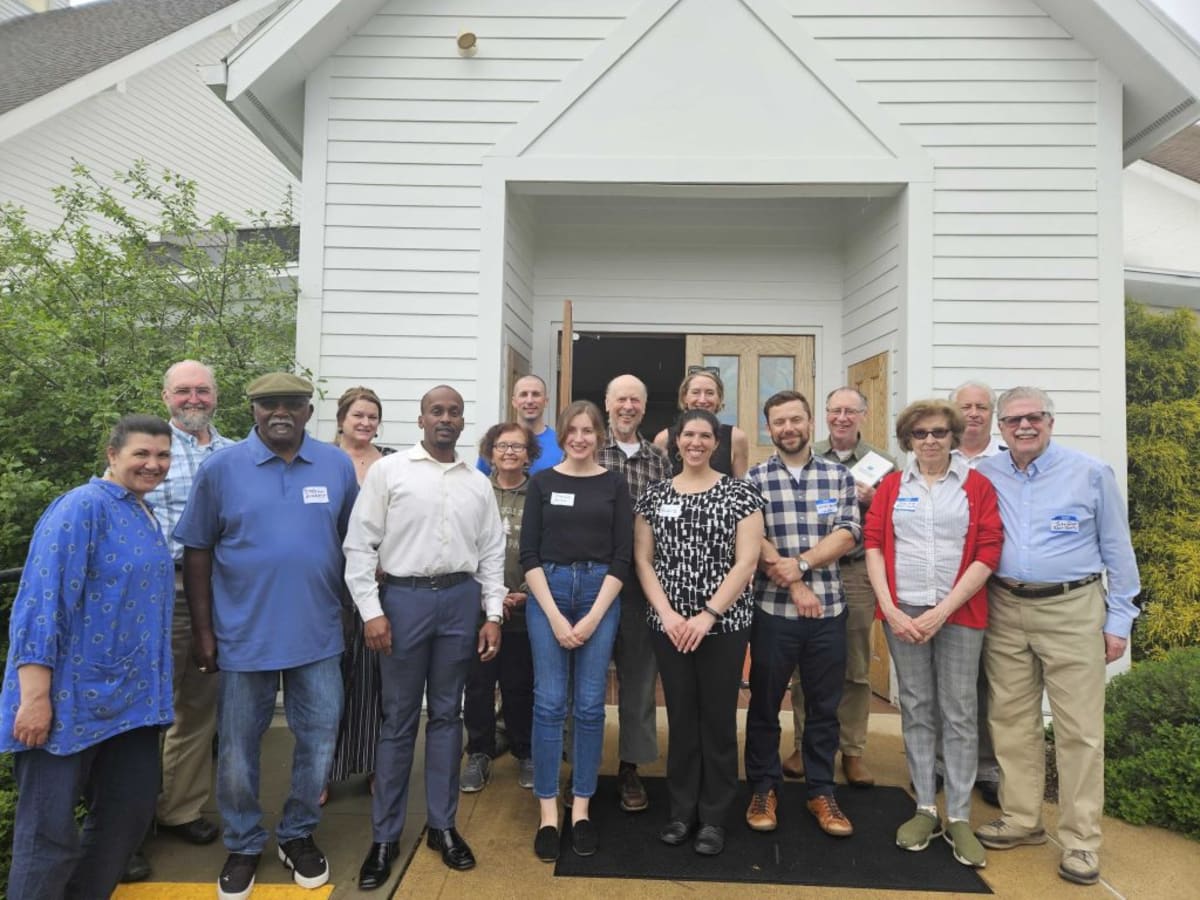
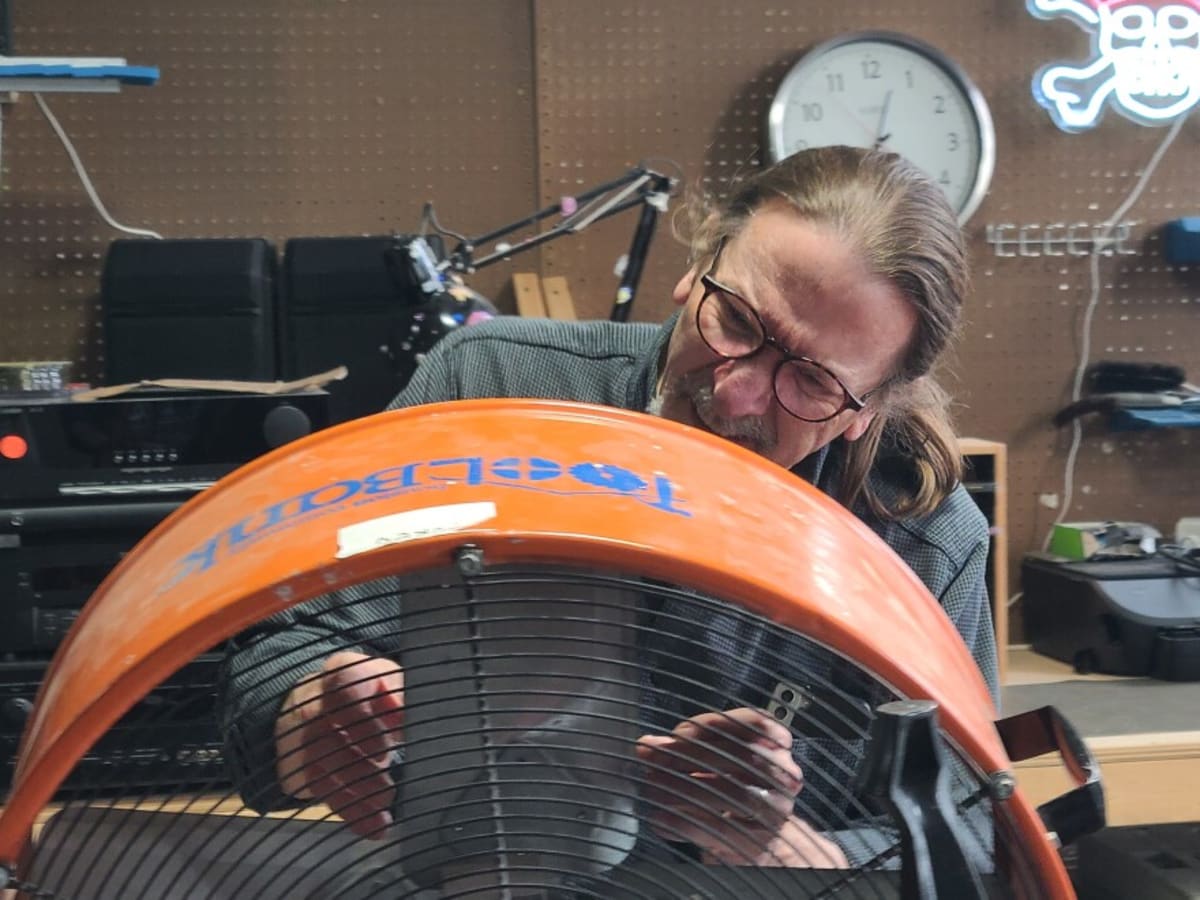
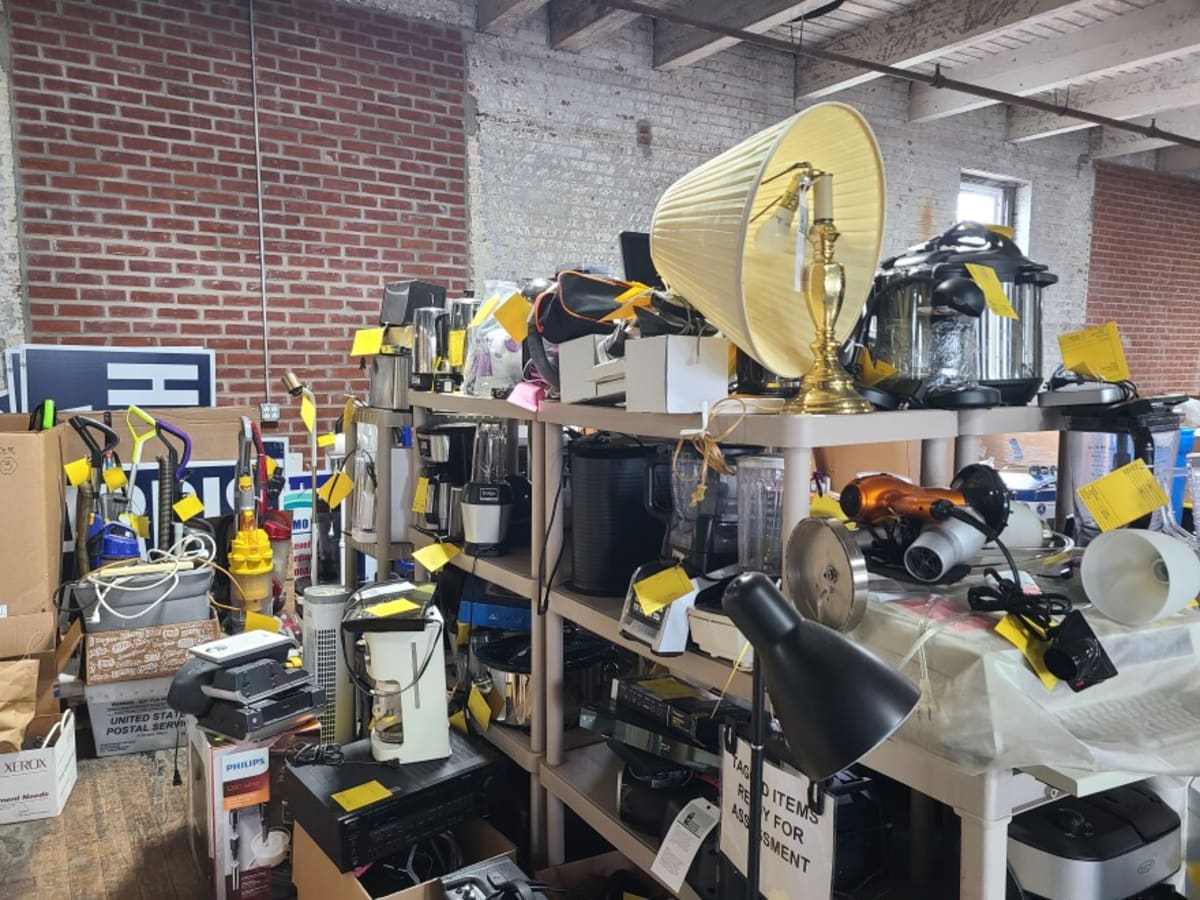
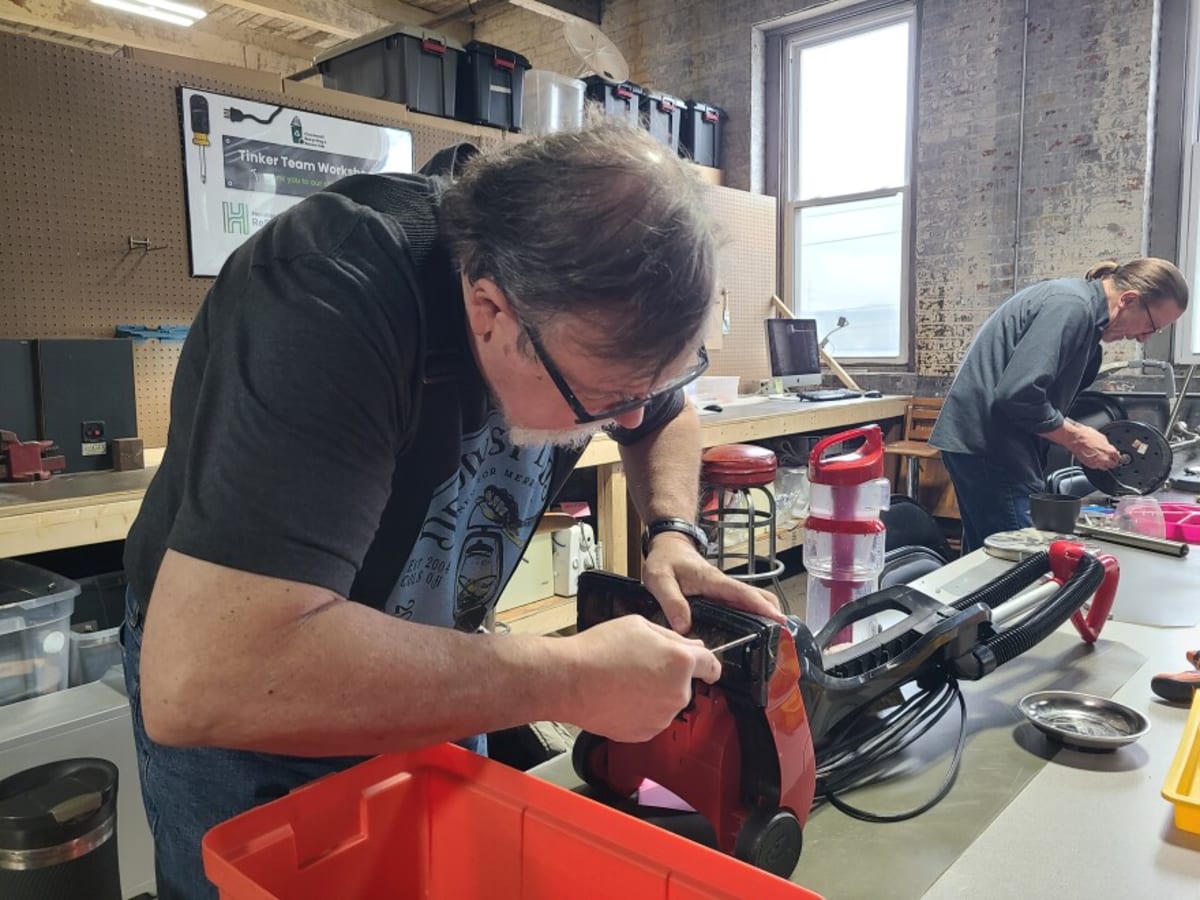
Twice a month, retired engineer Mike Conaway and five other volunteers gather at the Cincinnati Recycling and Reuse Hub to work magic on broken household items. They pull from shelves overflowing with toasters, blenders, lamps, and vacuum cleaners that people dropped off for recycling.
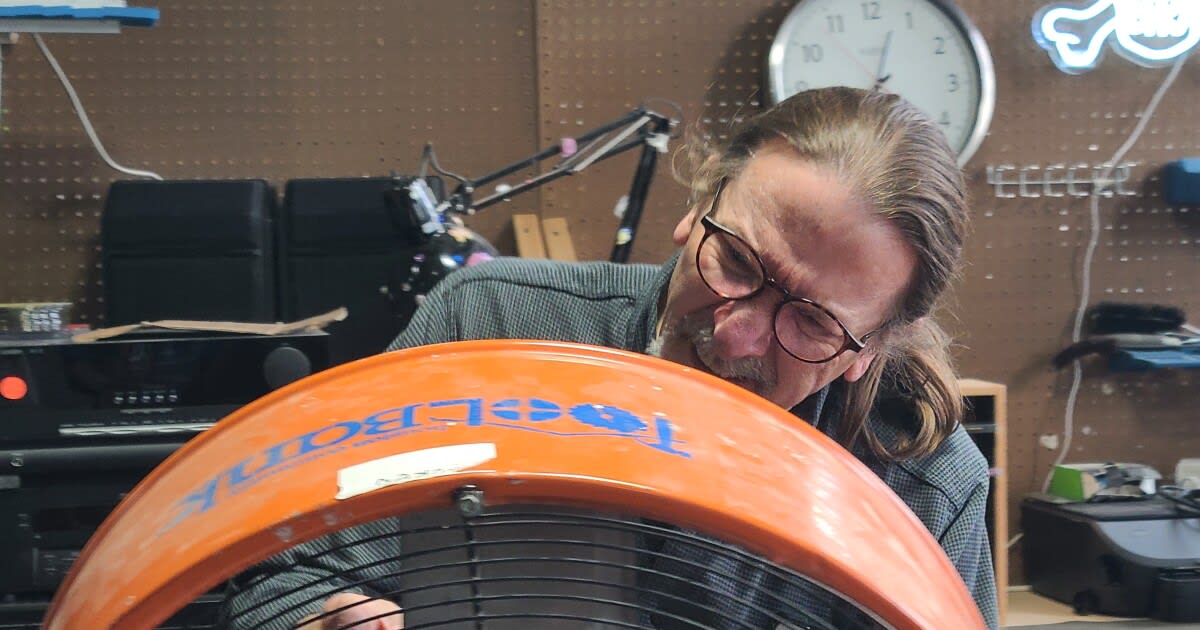
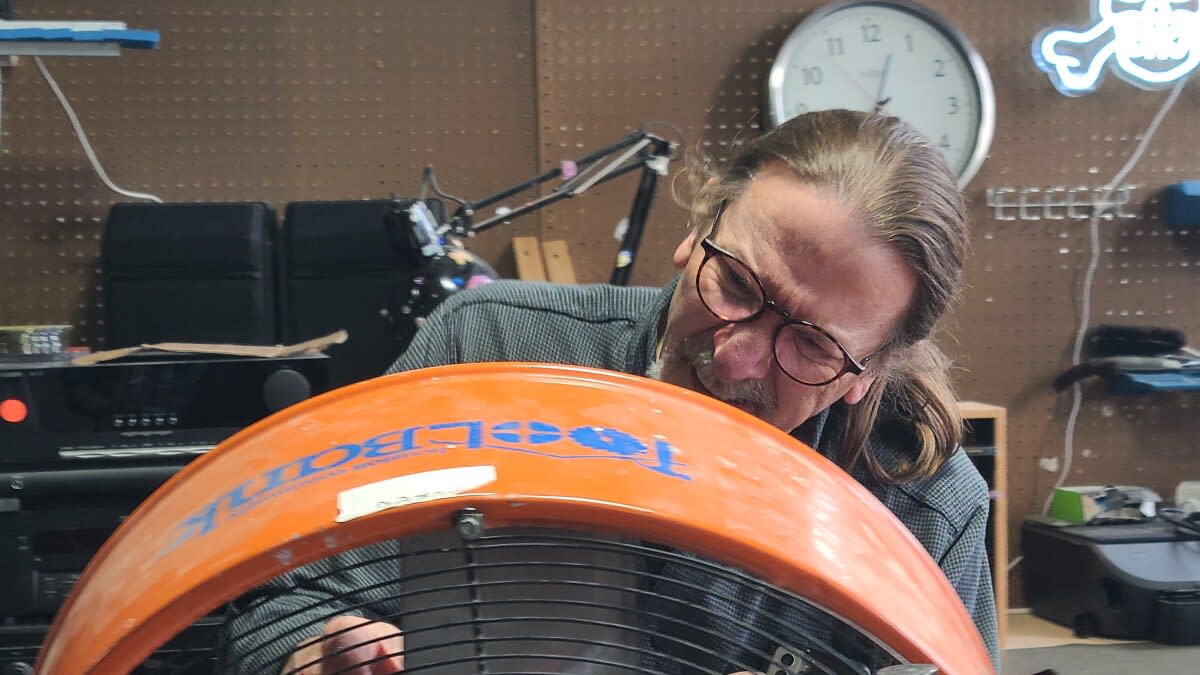
"It's great to be able to find a big pile of stuff to fix," Conaway laughs as he examines a dusty orange fan. Most repairs are surprisingly simple: fans clogged with pet hair, coffee makers needing a good cleaning, or vacuums with blocked filters.
Don Hoffman, a retired art teacher, admits he has no formal repair training. "I was always one of those people that, even as a kid, would tear things apart and get in trouble for doing that, and then just try to figure out how they work," he says.
The volunteers estimate they successfully repair about half the appliances they tackle. When something can't be fixed, they strip it for spare parts and save them in labeled bins. No budget means getting creative with resources.
The Ripple Effect
Every repaired appliance gets tagged with a Tinker Team sticker and sent to a local furniture bank. There, families transitioning out of homelessness receive these working items to help furnish their new homes and start fresh.
Operations director Carrie Harms explains that these everyday items make a real difference. "These items go into those homes to help them get off on the right foot in that new setting," she says.
If an appliance breaks again, the sticker encourages people to bring it back for another repair. It's a cycle that keeps items out of landfills while helping families who need them most.
For Conaway, the motivation is personal. His father could fix anything and hated waste. "That's probably the thing that came from Dad," he reflects.
The program started just 18 months ago when a Hub staff member noticed many recycled items only needed minor fixes. Now the Tinker Team has given new life to nearly 1,400 household electronics, proving that sometimes the best solutions come from rolling up your sleeves and simply trying to help.
More Images
Based on reporting by Google: volunteers help
This story was written by BrightWire based on verified news reports.
Spread the positivity!
Share this good news with someone who needs it