Cities Create More Rain—And Scientists Finally Know Why
New research on 40,000 Texas storms reveals that cities don't just experience weather—they actively reshape it. The breakthrough could help prevent urban flooding as extreme weather becomes more common.
Scientists just cracked the code on why cities sometimes get drenched while nearby areas stay dry, and the answer could save lives during the next big storm.
Researchers analyzed 23 years of radar data from 40,000 storms across four Texas cities and discovered something remarkable. Urban landscapes don't affect all storms the same way—they boost some and break up others, depending on the storm type.
The team, led by hydroclimatologist Xinxin Sui from the Colorado School of Mines, used 3D radar mapping to watch how different storms behaved as they hit city boundaries. What they found rewrites our understanding of urban weather.
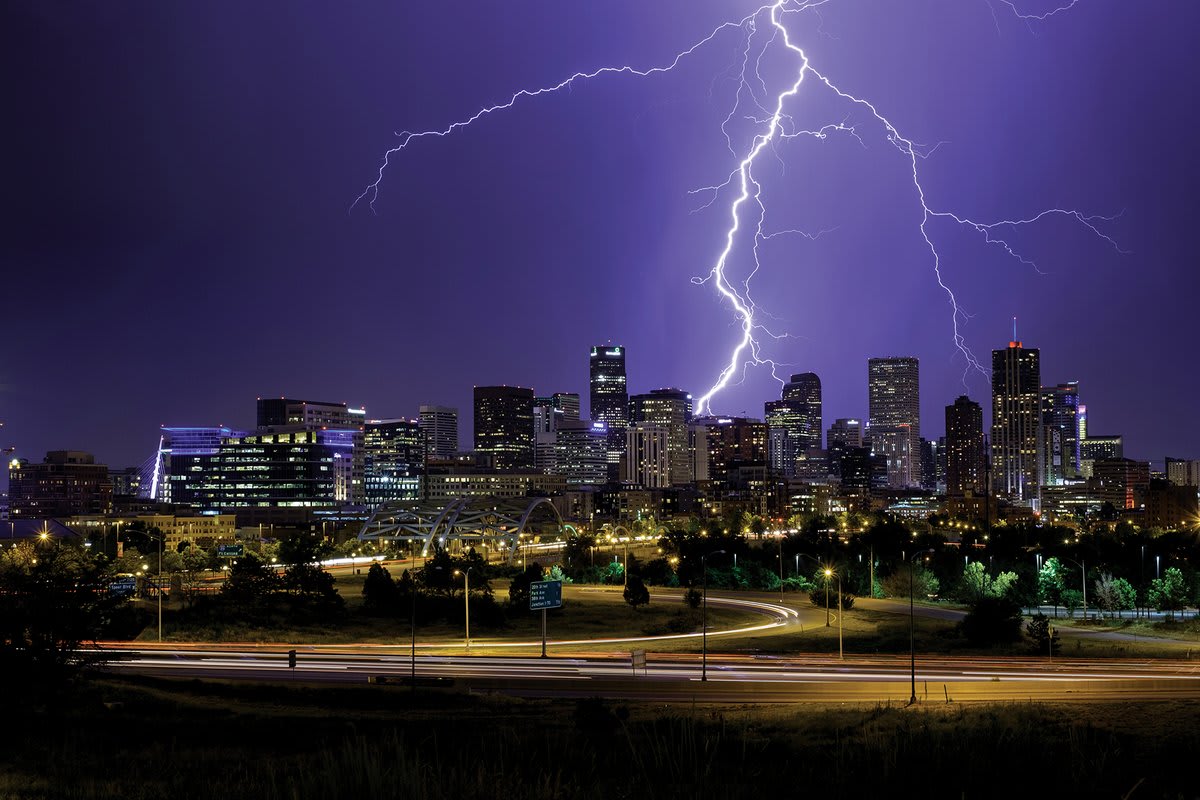
Short, intense local storms love cities. They happen more often and dump more rain, especially at night and during the workweek. Concrete and asphalt absorb heat from the sun, making cities hotter than surrounding areas and supercharging these storms. Weekday pollution from cars and workplaces adds fuel by helping form more storm clouds.
Cold front storms tell a completely different story. When cold air sweeps into warm regions, tall buildings act like warm spikes that mix and heat the incoming cold air. This mixing weakens the temperature difference that powers the storm, causing it to fizzle out over cities.
Warm fronts barely notice cities at all. Their long, thin clouds stay mostly unaffected by urban spikiness, though city heat may give them a small boost.
The biggest surprise came from tropical systems like hurricanes. Cities don't change how intense or frequent these ocean-born giants are, but they somehow alter their structure to let more rain reach the ground. Scientists are still working to understand why.
The Ripple Effect
Understanding these patterns matters because different storms threaten cities in unique ways. Tropical systems cause widespread flooding that lasts for days, while local storms trigger sudden flash floods that can sweep cars away in minutes.
More than half of all people worldwide now live in cities, and climate change is making extreme weather worse. Urban planner Yiyi He from Georgia Tech says adding storm type information to climate models could transform how cities prepare for floods. Better predictions mean smarter infrastructure decisions—knowing where to build drainage systems, green spaces, and flood barriers.
The research gives cities a fighting chance to design defenses tailored to their specific storm risks instead of using one-size-fits-all approaches.
More Images


Based on reporting by Scientific American
This story was written by BrightWire based on verified news reports.
Spread the positivity!
Share this good news with someone who needs it