Cities Drop Double Staircase Rule to Build Cheaper Homes
Over 30 North American cities are changing building codes to allow single staircases in apartment buildings, cutting construction costs by up to 13%. The shift could unlock thousands of affordable housing units in cities facing severe shortages.
A simple building code change is helping cities across North America build more affordable housing on smaller lots, and it all comes down to staircases.
For decades, American cities have required apartment buildings to have two staircases for fire safety. That rule sounds reasonable until you realize it forces developers to use 7% more floor space and drives up construction costs by 6% to 13%, according to the Pew Charitable Trusts.
Those extra costs often kill housing projects entirely. Meanwhile, cities in Europe and Asia have safely used single-staircase designs for generations.
Matthew Flaherty saw this problem from both sides. As a Los Angeles firefighter who struggled to find an affordable apartment in a walkable neighborhood, he became an unlikely advocate for changing the rules. "Cities shouldn't be designed around the fire department," Flaherty says. "The fire department should be designed to deal with the infrastructure as it is."
His argument is gaining traction fast. Over 30 cities from Texas to Toronto are now reconsidering staircase requirements, and some have already made the change.
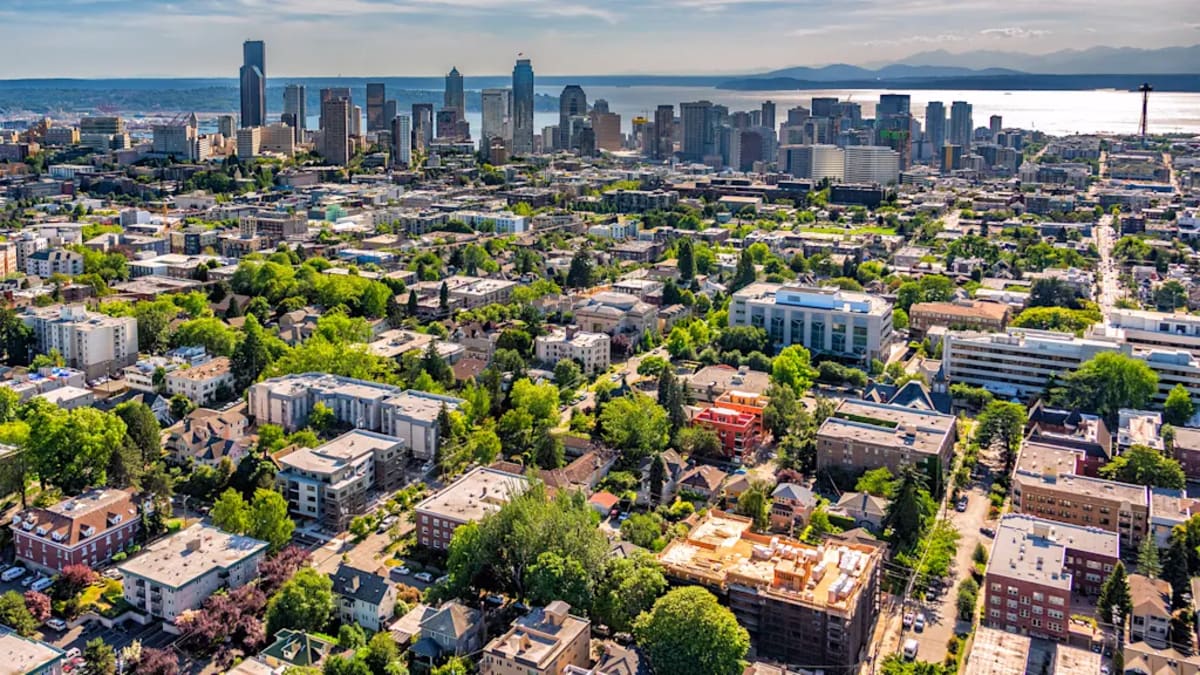
Seattle leads the way with single-stair apartment buildings now dotting neighborhoods across the city. Studio apartments in these buildings start around $1,500 per month, offering newcomers and long-time residents alike more housing options.
The change matters most for mid-rise buildings between four and six stories tall. These are exactly the kind of structures that can fit on smaller urban lots and fill gaps in existing neighborhoods without requiring massive development projects.
The Ripple Effect
Single-staircase buildings do more than just cost less to build. They make previously unbuildable lots suddenly viable for housing, letting cities grow density without tearing down existing neighborhoods.
Smaller apartment buildings also mean more variety in housing stock. Instead of only mega-developments from large corporations, individual developers and small companies can afford to build housing too.
Stephen Smith, executive director of the Center for Building in North America, points out that relaxing staircase rules could be one of the fastest ways to address housing shortages. Unlike major zoning overhauls that take years to implement, cities can update building codes relatively quickly.
The movement bridges an unusual divide between fire safety officials and housing advocates who often clash over priorities. Flaherty's voice as both a firefighter and housing advocate helps others see that safety and affordability don't have to be opposing goals.
As housing costs continue squeezing families across North America, more cities are discovering that sometimes the biggest solutions come from the smallest changes.
Based on reporting by Fast Company
This story was written by BrightWire based on verified news reports.
Spread the positivity!
Share this good news with someone who needs it