Citroën Revives Iconic 2CV as €15,000 Electric Car
One of Europe's most beloved cars is making a comeback as an affordable electric vehicle that could change the game for EV accessibility. Citroën will bring back the iconic 2CV as a stylish electric model priced under €15,000, making it one of the most affordable EVs in Europe.
One of Europe's most beloved cars is making a comeback as an affordable electric vehicle that could change the game for EV accessibility.
Citroën announced plans to revive the iconic 2CV, transforming the classic people's car into a modern electric vehicle priced under €15,000 (about $16,300 USD). The new model will debut at the Paris Auto Show in October 2026 and roll into production in Italy by 2028.
The original 2CV became a symbol of accessible transportation across Europe from 1948 to 1990, beloved for its simplicity, affordability, and quirky charm. Now, Citroën is bringing that same philosophy into the electric age at a price point that undercuts most European EVs by thousands of euros.
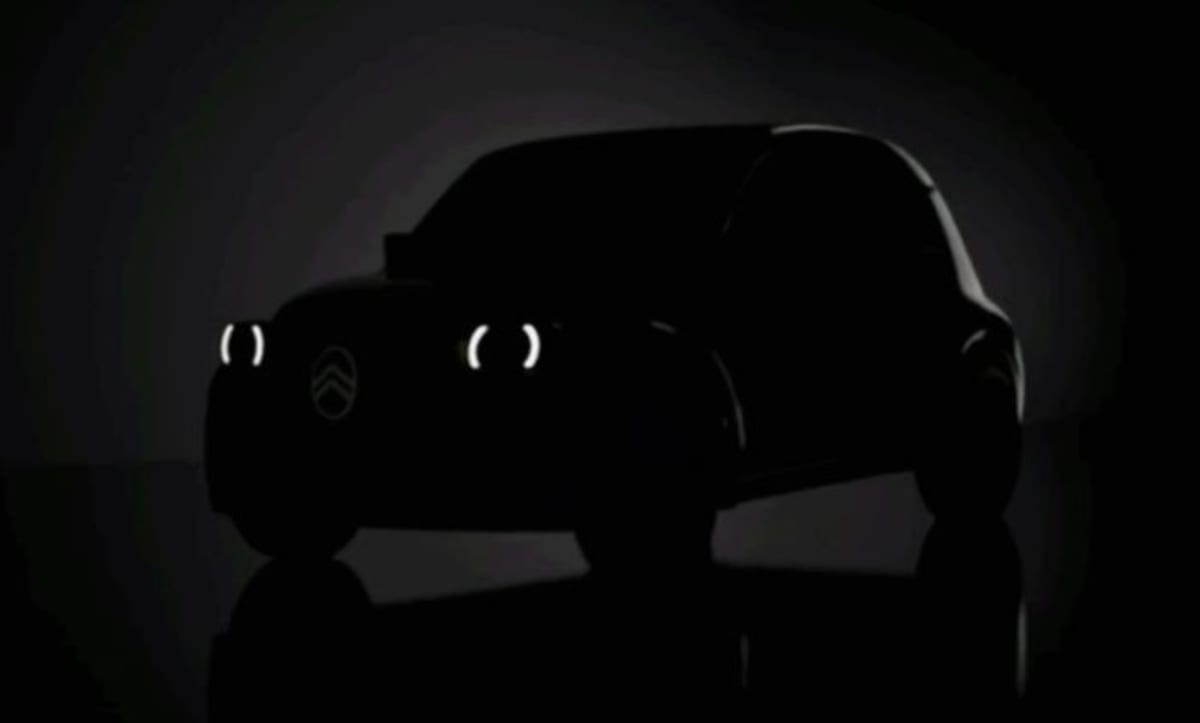
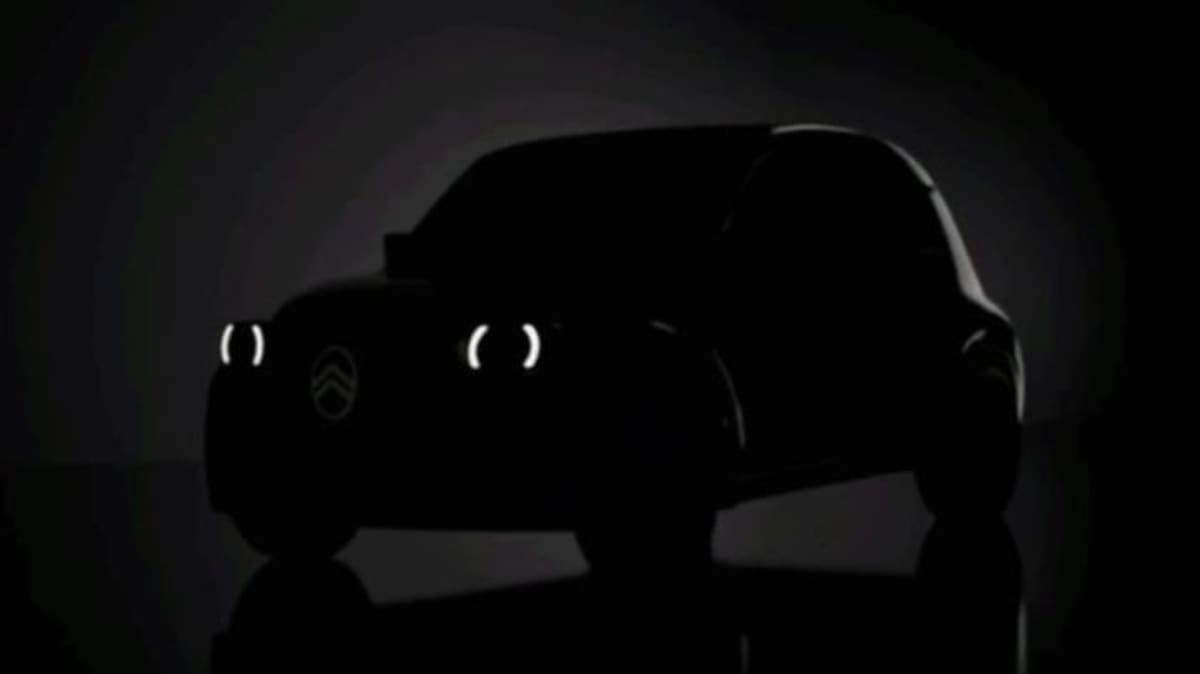
Early teasers show the new 2CV will honor its heritage with a sleeker version of the original's distinctive rounded roofline while embracing modern electric technology. The car is part of Stellantis' ambitious E-Car program, developed with manufacturing partners to make electric vehicles accessible to everyday drivers.
The timing couldn't be better. While electric vehicles have surged in popularity, high prices have kept them out of reach for many European families. Most EVs in Europe currently cost €30,000 or more, making this sub-€15,000 option a potential breakthrough for widespread EV adoption.
The Ripple Effect
Making electric vehicles affordable at scale could accelerate Europe's transition away from fossil fuels faster than premium EVs alone ever could. When more people can afford to go electric, emissions drop across entire communities, not just wealthy neighborhoods.
The Italian manufacturing choice also brings good news for local jobs and expertise in a country with deep automotive roots. By keeping production in Europe, Citroën ensures quality control while supporting regional manufacturing economies.
This isn't just nostalgia wrapped in batteries. It's a genuine attempt to solve one of the biggest barriers to EV adoption: affordability. If Citroën succeeds, other automakers may follow with their own accessible electric models, creating healthy competition that benefits consumers.
The 2CV once put personal transportation within reach of ordinary Europeans during the postwar era. Six decades later, its electric successor could do the same for clean transportation, proving that going green doesn't have to mean breaking the bank.
More Images


Based on reporting by Google News - Electric Vehicle
This story was written by BrightWire based on verified news reports.
Spread the positivity!
Share this good news with someone who needs it