City Nature Challenge Invites You to Spot Urban Wildlife
A worldwide event this weekend turns city dwellers into citizen scientists by asking them to photograph wild plants and animals in their neighborhoods. Cities host more biodiversity than you might think, and the City Nature Challenge proves it.
You don't need to hike into the wilderness to find nature. This weekend, a global event is proving that cities are teeming with wild things if you know where to look.
The City Nature Challenge kicks off this weekend, inviting people worldwide to document the plants, animals, and fungi they spot in urban areas. Amy Jaecker-Jones of the Natural History Museum of Los Angeles County calls it putting on your "nature eyes."
The community science project started as a friendly competition between Los Angeles and San Francisco. Now it has grown into a massive global event where cities compete to find the most species and engage the most observers.
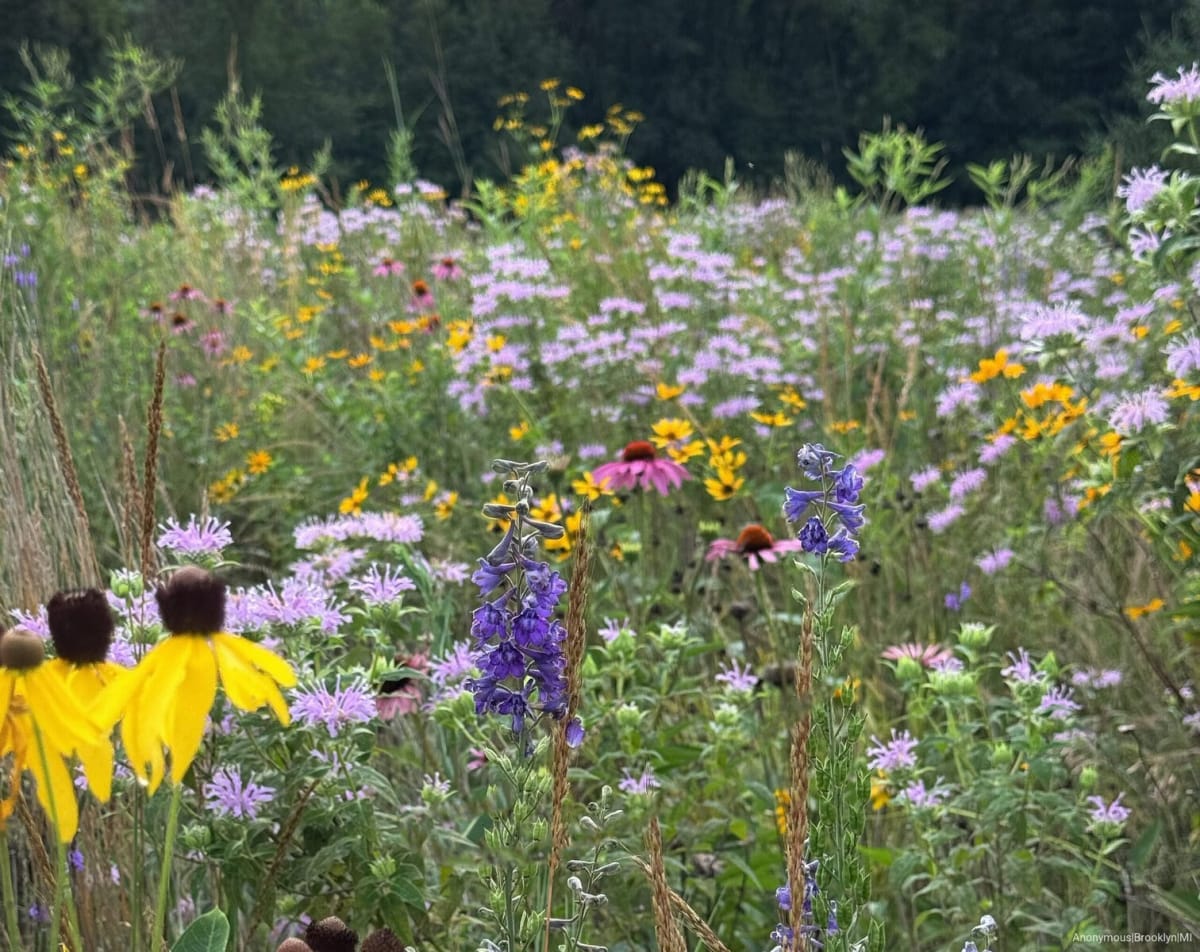
Participants simply snap photos of any wild organism they encounter, from birds perched on streetlights to wildflowers pushing through sidewalk cracks. They upload their observations to platforms like iNaturalist, where experts help identify the species.
The Ripple Effect
The challenge does more than create a weekend scavenger hunt. It builds a valuable database that scientists use to track urban biodiversity, understand how species adapt to city life, and identify conservation needs.
The event also changes how people see their neighborhoods. What looked like an ordinary parking lot might host a dozen plant species. That tree outside your apartment could be home to five different bird families.
Thousands of cities participate, making this one of the largest citizen science projects on Earth. Last year's challenge documented millions of observations representing tens of thousands of species.
The beauty of the project is its accessibility. You don't need special equipment or scientific training. A smartphone camera and curiosity are enough to contribute meaningful data to science.
Jaecker-Jones emphasizes that urban nature is everywhere, often invisible only because we're not looking. A concrete jungle is still a jungle, just one where pigeons share space with peregrine falcons and possums navigate power lines.
The challenge runs for four days, giving weekend explorers plenty of time to discover the wild neighbors they never knew they had. Even a five-minute walk around the block can yield surprising finds.
When you start looking, you realize cities aren't nature's opposite but another habitat where life finds remarkable ways to thrive.
More Images



Based on reporting by NPR Science
This story was written by BrightWire based on verified news reports.
Spread the positivity!
Share this good news with someone who needs it