City Stargazers Can Still See Stunning Night Sky Wonders
You don't need to escape the city to experience the magic of stargazing. Despite light pollution, urban skywatchers can still catch breathtaking views of planets, bright constellations, and the International Space Station right from their neighborhoods.
Living under city lights doesn't mean you've lost your connection to the cosmos. While light pollution has dimmed our view of the stars, amateur astronomers are proving that urban skies still hold plenty of wonder for those who know where to look.
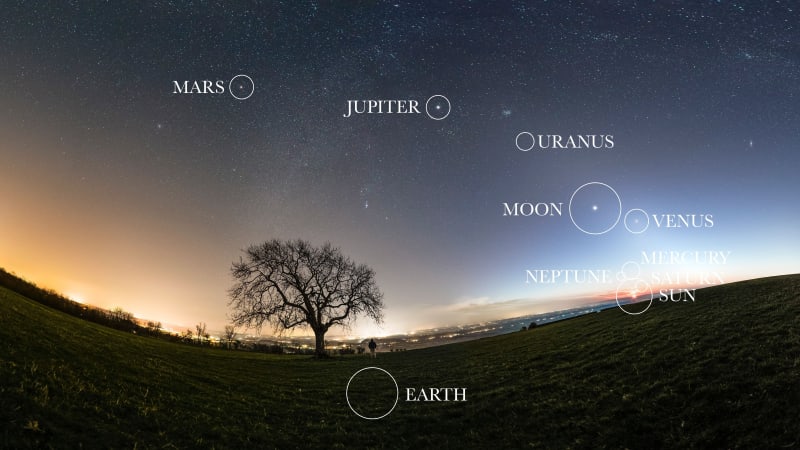
The brightest celestial objects shine through even the most light-polluted neighborhoods. Jupiter, Saturn, Venus, Mercury, and Mars appear as steady points of light to the naked eye, with Mars glowing with its signature reddish hue that's visible from downtown streets and apartment balconies alike.
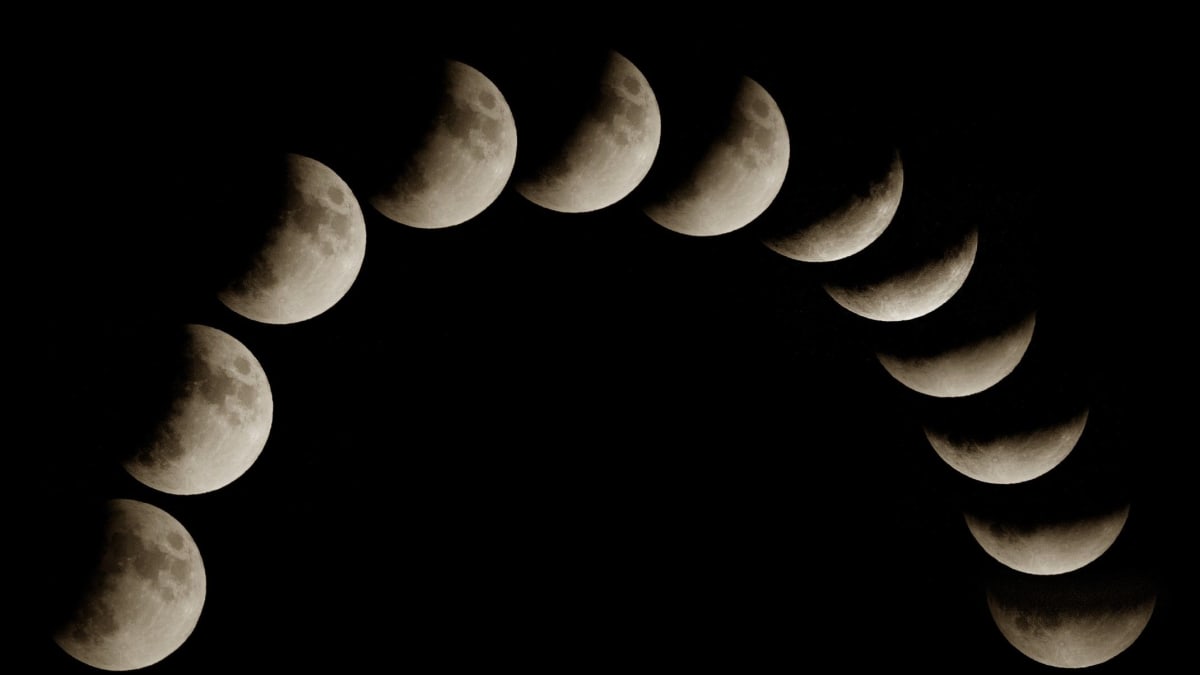
Our moon remains the night sky's showstopper, its silvery surface scarred by dark regions called lunar maria where ancient lava once flowed. As Earth's only natural satellite moves through its phases, the line separating day from night sweeps across its surface, transforming it from a delicate crescent to a spectacular full moon and back again.
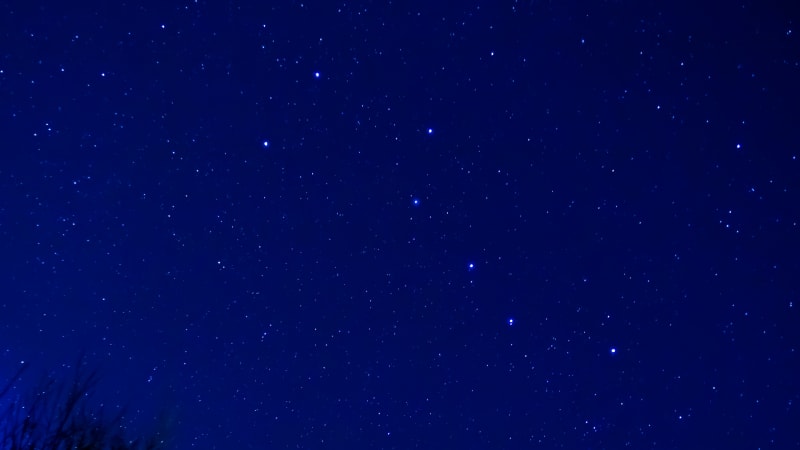
The brightest stars punch through city glow to create familiar patterns overhead. During winter months, Orion's belt shines between the red glow of Betelgeuse and the blue supergiant Rigel. When summer arrives, three brilliant stars named Vega, Deneb, and Altair rise to form the Summer Triangle, dominating warmer evening skies.
Even the International Space Station makes regular appearances, streaking across the urban sky like a bright, steady moving star. The massive 310-foot-wide orbital outpost reflects sunlight as it passes overhead, offering city dwellers a glimpse of humanity's home away from home.
The Bright Side
Urban stargazing teaches us that wonder isn't reserved for those who can escape to dark sky sites. The same stars that guided ancient navigators still shine above our cities, reminding us we're part of something vast and timeless.
Simple tools make the experience even richer. Stargazing apps like Stellarium or SkySafari help identify when celestial targets will be most visible, turning any clear evening into an opportunity for cosmic connection.
The key is knowing when and where to look. Observing objects high overhead rather than near the horizon cuts through the worst light pollution and atmospheric interference. Finding locations away from tall buildings opens up wider views of the celestial dome above.
City stargazers are reclaiming their relationship with the night sky, one constellation at a time.
More Images

Based on reporting by Space.com
This story was written by BrightWire based on verified news reports.
Spread the positivity!
Share this good news with someone who needs it