Clean Air Clubs Loan Free Purifiers, Masks in Wildfire Zones
When wildfire smoke blankets communities and health departments fall short, neighbors are stepping up with free air purifiers and N95 masks. Over 40 grassroots Clean Air Clubs now help thousands breathe easier during smoke season.
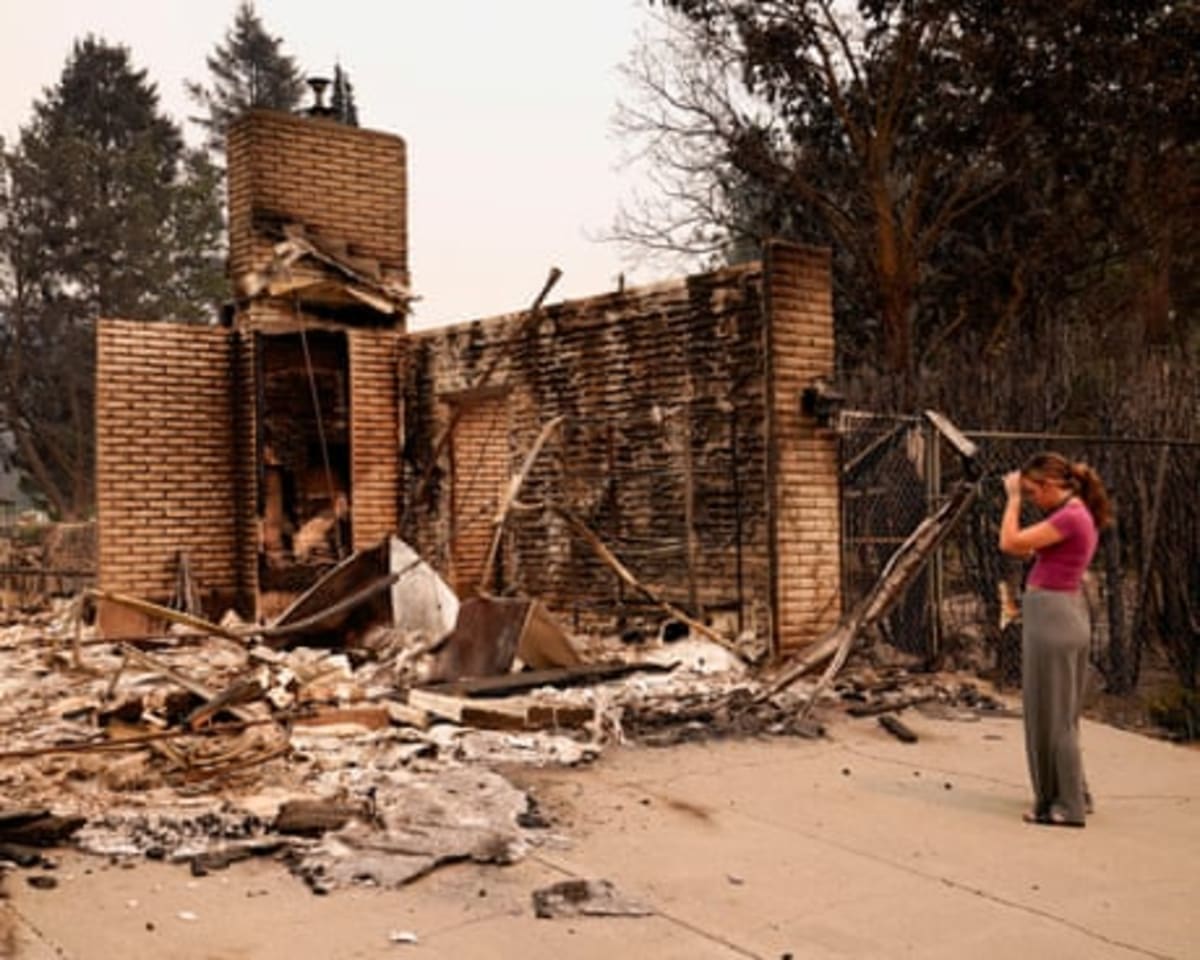
When Miquette Thompson walked outside her rural Mendocino County home this week, thick wildfire smoke turned the sky hazy. Local health officials were giving out confusing advice about which masks actually work against smoke.
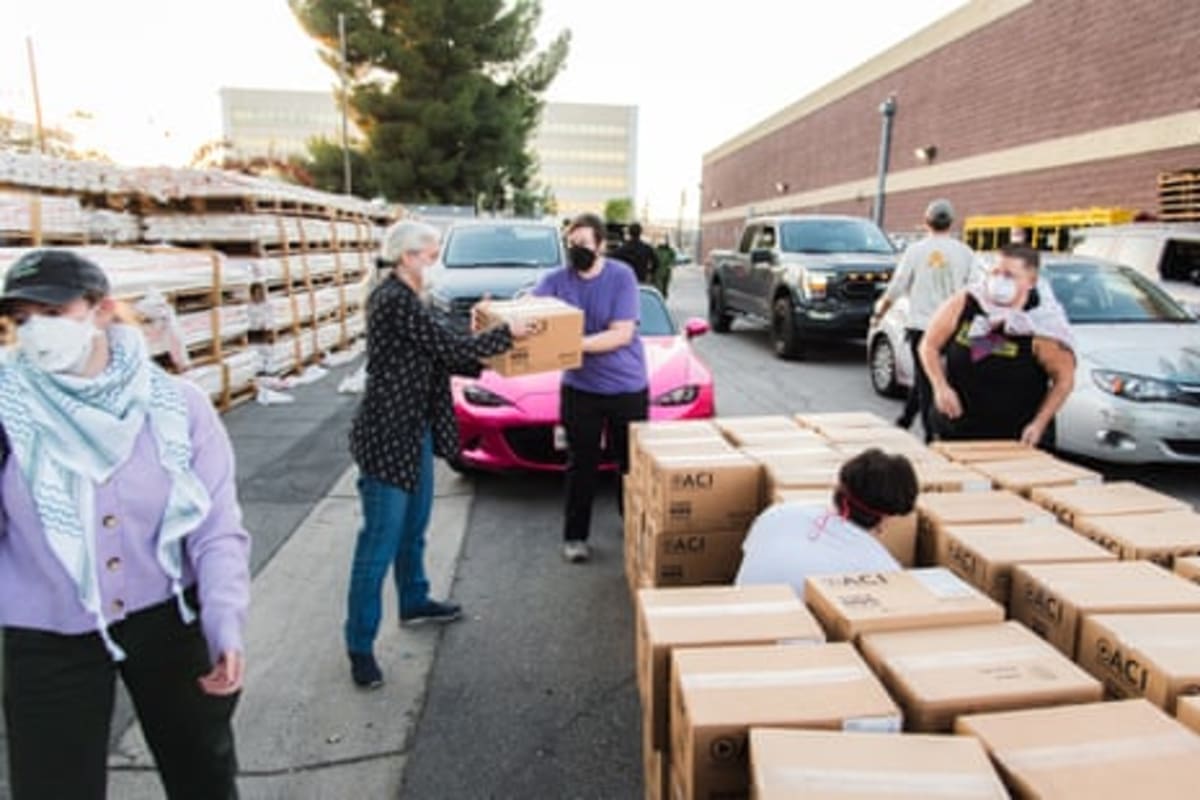
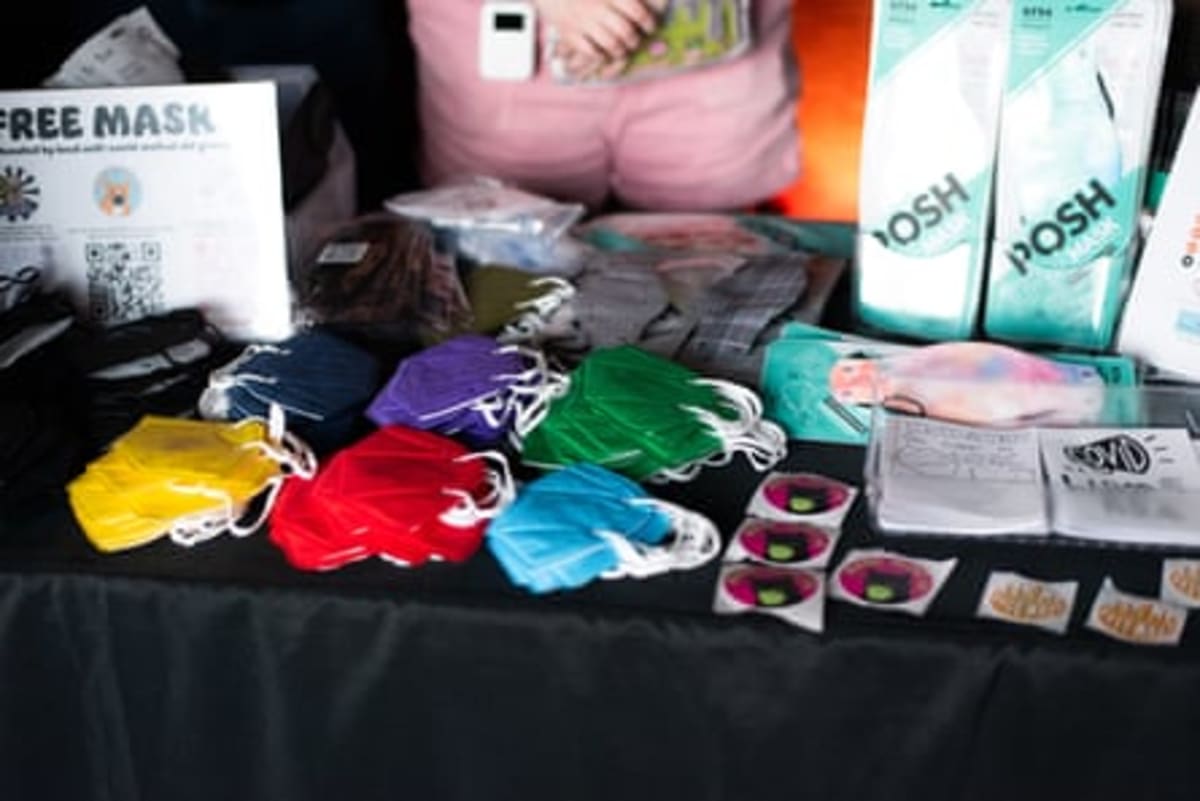
So Thompson and her neighbors at Mendo Clean Air Club took matters into their own hands. They partnered with local businesses to distribute N95 masks, the kind that actually filter out tiny smoke particles unlike cloth or surgical masks.
They're part of a growing movement. Over 40 Clean Air Clubs around the world now lend free air purifiers and distribute masks to help communities survive worsening wildfire seasons. Mask Bloc Los Angeles alone handed out more than 300,000 masks in just two weeks during January's devastating fires.
Emily Dupree launched the first club in Chicago to help touring musicians during COVID. When Canadian wildfire smoke choked Chicago last July, she noticed her 15 air purifiers weren't fully booked. Within hours of reaching out to neighbors struggling with the smoke, every purifier was reserved.
"We are able to mobilize clean air resources extremely quickly because we are not dealing with bureaucracy or red tape," Dupree said. "We just get the purifiers placed where they're needed as quickly as possible."
That speed matters most for people with health conditions. Shannon Durkin has cystic fibrosis, making her especially vulnerable to poor air quality. When wildfire smoke from Canada drifted over Delaware in 2024, she and her husband walked around Wilmington distributing masks to surprised residents who didn't realize the health risks.
Hospitalizations for asthma jump 10% on smoke days, according to a University of California study. For rural communities like Thompson's, where many residents are manual laborers who can't afford to get sick, the stakes are even higher.
The Ripple Effect
The clubs operate on pure community power. Volunteers retrieve purifiers from storage units and drop masks at local businesses for easy pickup. Some partner with Food Not Bombs chapters and other organizing groups to reach more people.
Dupree created a simple Google doc explaining how anyone can start their own club. The guide is spreading as wildfire seasons grow longer and more intense across the country.
Thompson said the message resonates even in her conservative rural area. "We can't afford to get sick or to get long COVID," she tells neighbors. "A lot of us use our bodies for work. We just don't have the resources here to manage that."
For organizers like Dupree, the work offers something precious in difficult times: a way forward. "Even if you decide to focus on one problem, it turns out usually what you come up with is going to be able to pivot and solve other problems too."
More Images

Based on reporting by Guardian Environment
This story was written by BrightWire based on verified news reports.
Spread the positivity!
Share this good news with someone who needs it