Clean Energy Could Save US Customers $5B Annually by 2030
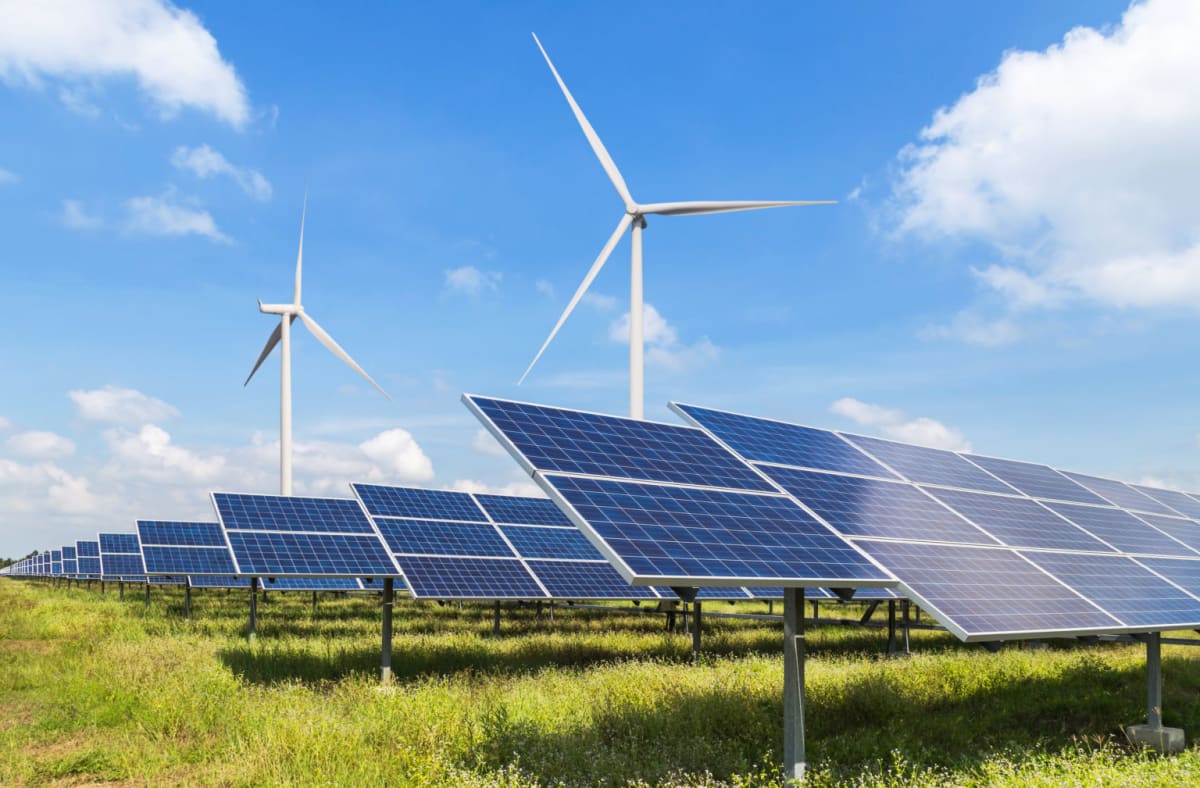
Meeting America's surging electricity demand with solar and wind instead of fossil fuels would save $5 billion every year by 2030, according to new research. The finding comes as US power needs are expected to jump 24% within six years.
American electricity bills could drop by billions if the country embraces clean energy to meet skyrocketing demand, according to a new report that crunches the numbers on our energy future.
Peak electricity use in the United States is projected to surge 24% by 2030, driven by data centers, industrial expansion, and the electrification of vehicles and buildings. The question isn't whether we need more power but how we'll generate it most affordably.
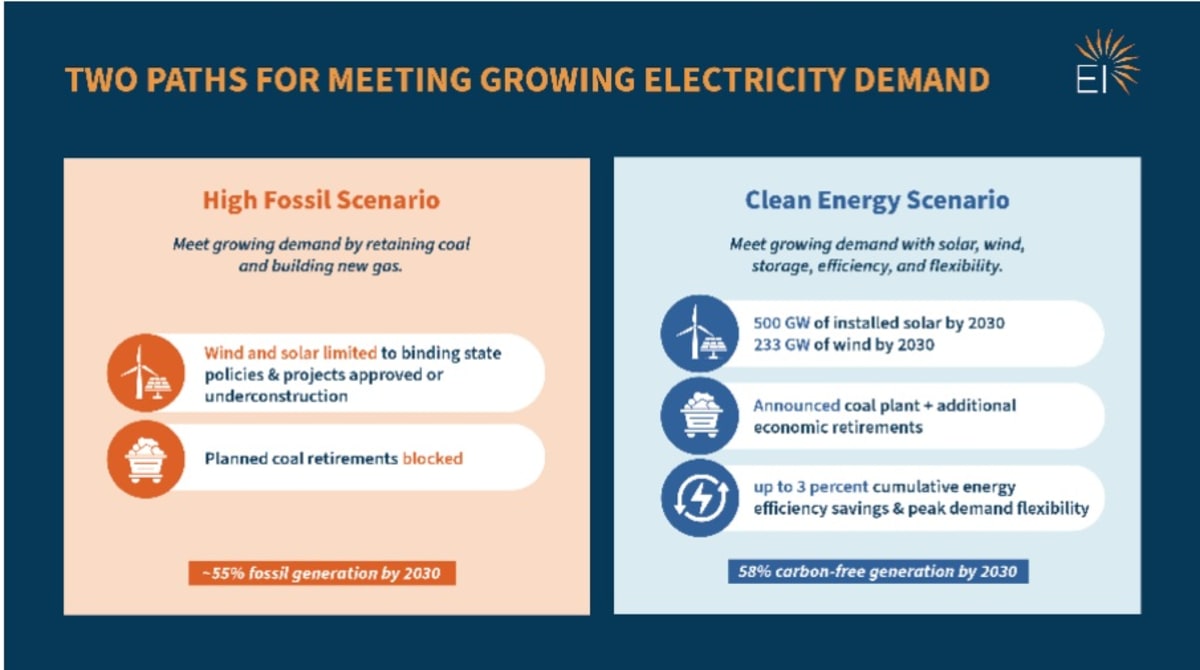
Researchers at Energy Innovation, a nonpartisan think tank, compared two paths forward. One scenario continues our current approach, leaning heavily on fossil fuels as demand climbs. The other takes full advantage of solar and wind power to meet growing electricity needs.
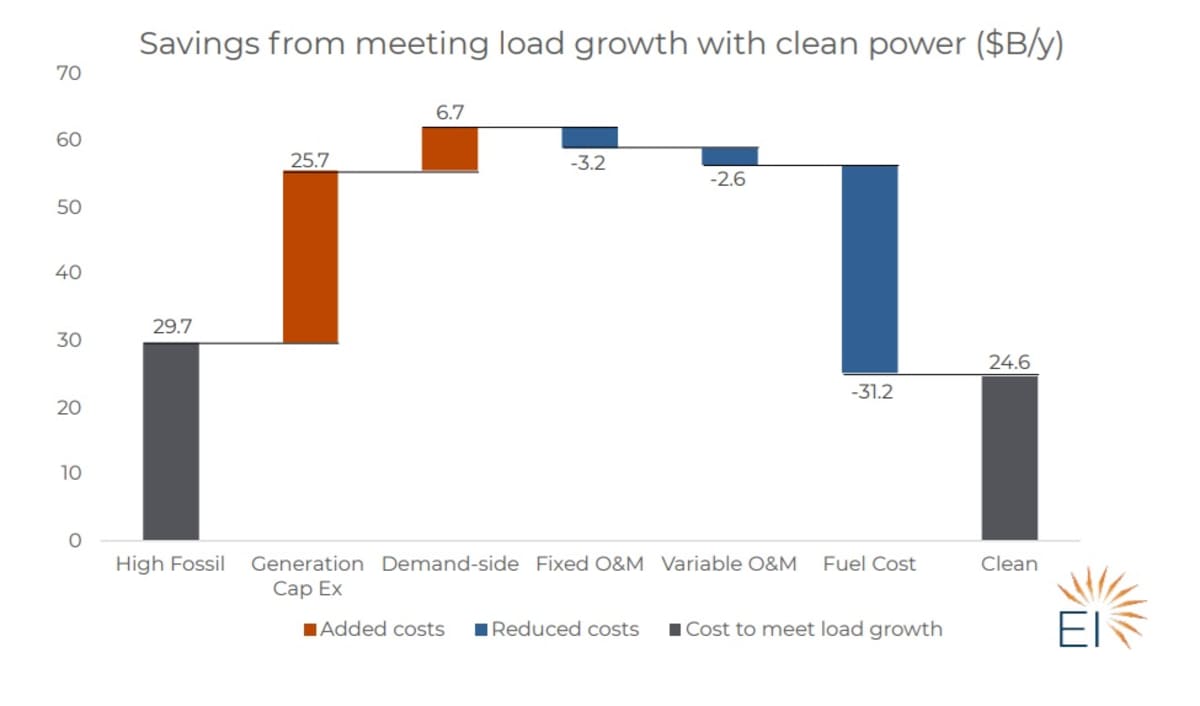
The results are striking. Meeting demand growth with fossil fuels would add nearly $30 billion annually to customer bills by 2030. The clean energy approach, however, would cost $5 billion less per year, a 17% savings that adds up fast.
Those savings come primarily from eliminating fuel costs and shutting down expensive, inefficient coal and gas plants. Even accounting for new solar panels, wind turbines, and battery storage, clean energy wins on price.
The clean energy advantage grows even larger during times of crisis. When Russia invaded Ukraine in 2022, natural gas prices jumped fourfold and coal followed. Under similar conditions, the clean energy scenario would save $8 billion annually compared to fossil fuels.
"A clean pathway is a significant hedge against fuel price risk," said Brendan Pierpont, director at Energy Innovation. He notes we're heading into a period of more uncertainty in fuel prices, not less.
The analysis accounted for real-world complications too. Some projected demand growth, particularly from data centers, remains speculative. When one utility required large customers to make financial commitments, new load requests dropped by two-thirds.
Even if electricity demand grows slower than expected, clean energy still delivers savings. The total would be smaller because the system itself costs less, but customers still benefit from lower fuel and maintenance costs.
Why This Inspires
This research proves that doing the right thing for our climate also means doing the right thing for our wallets. For years, opponents of clean energy argued it was too expensive or unreliable. These numbers tell a different story.
States are already removing barriers to faster clean energy deployment. Illinois streamlined permitting by setting minimum standards that prevent overly restrictive local rules while still respecting community input. Indiana now requires utilities to look for ways to connect new projects to existing grid infrastructure, making better use of equipment that often sits idle.
The path forward requires utilities to validate their cost assumptions against current market data. Natural gas turbine prices have doubled or tripled in recent years, while battery storage costs continue falling.
Every dollar saved on electricity bills is money families can spend on groceries, education, or simply building a better life.
More Images

Based on reporting by PV Magazine
This story was written by BrightWire based on verified news reports.
Spread the positivity!
Share this good news with someone who needs it