Clean Energy Investment Doubles Fossil Fuels Globally
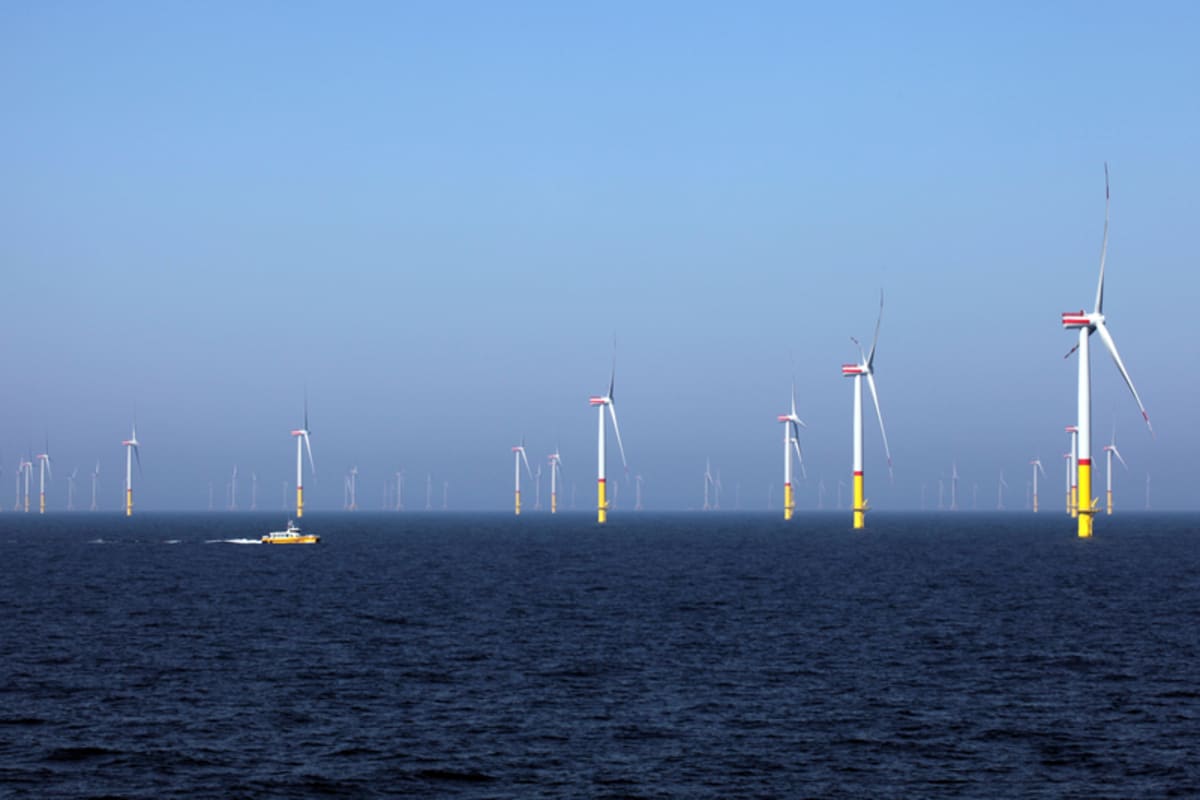
Despite economic turmoil and political tensions, clean energy investment has surged to twice that of fossil fuels, proving the global energy transition is unstoppable. Africa is poised to lead the charge with solar power booming and COP32 heading to Addis Ababa.
For the first time in history, global greenhouse gas emissions are projected to decline, and clean energy is driving the change.
Simon Stiell, head of the UN Framework Convention on Climate Change, brings remarkable news: clean energy investment now doubles fossil fuel spending, even as the world faces economic uncertainty and political chaos. The reason is simple: renewable energy is cheaper, cleaner, and drives economic growth everywhere.
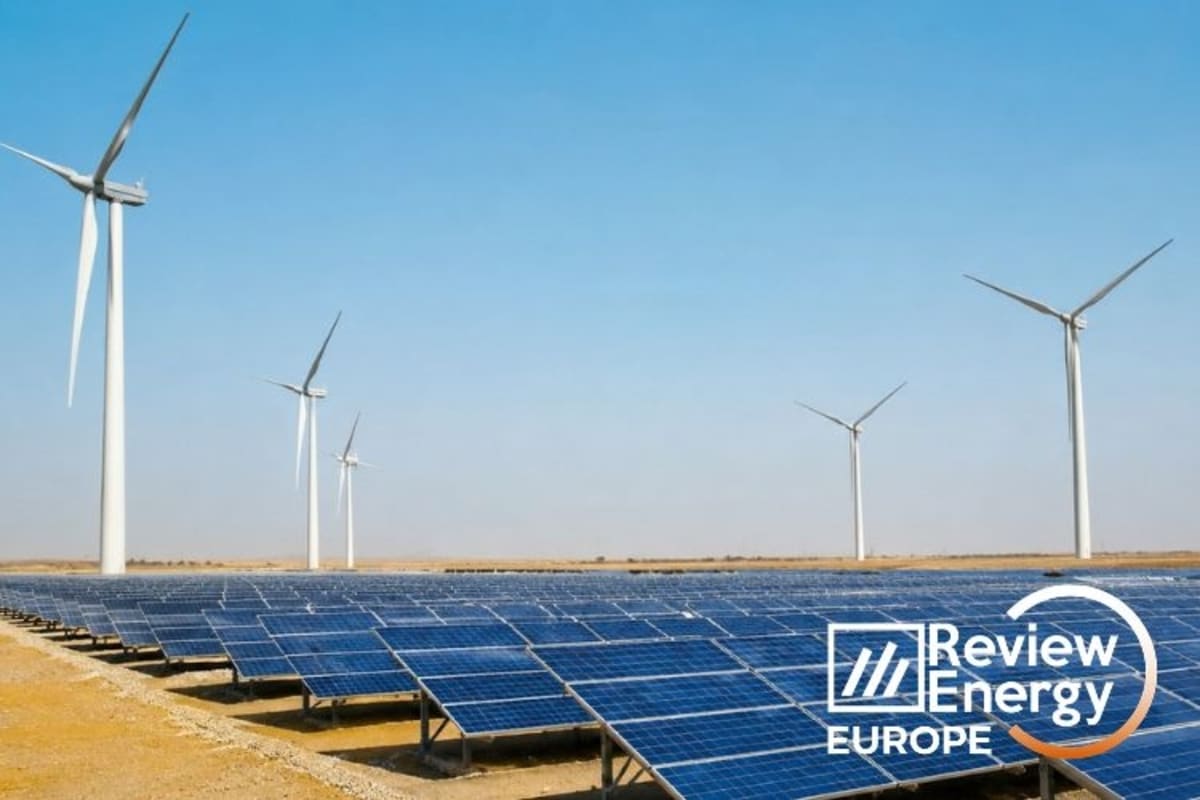
Africa is experiencing its own energy revolution. Solar installations across the continent jumped 54% last year, with eight countries now operating more than 100 megawatts each. South Africa, Nigeria, and Egypt are becoming major solar powers, proving that developing nations can leapfrog old energy systems entirely.
The wins keep coming from last year's COP30 climate conference. Countries committed $1 trillion for clean grids and energy storage, infrastructure that will power Africa's future. They also agreed to triple adaptation funding by 2035, helping nations build resilience while climate change is already happening.
This isn't just about saving the planet. Clean energy gives countries freedom and security because they no longer depend on energy imports. In almost every nation, renewable power has become the cheapest energy source available, stimulating growth across entire economies and lifting communities out of energy poverty.
The Ripple Effect: More than 100 countries submitted new climate plans this year, marking the first time global emissions will actually decline. This turning point happened because governments worldwide recognized that climate action and economic development are the same goal, not competing priorities.
Ethiopia showcases what's possible with electric transportation taking off across the country. Hundreds of millions of Africans still lack reliable electricity, but the solutions are here and scaling fast.
Next year, Africa takes center stage when Addis Ababa hosts COP32. Stiell sees this as an opportunity for the continent to showcase its achievements and attract the investment needed to bring clean power to everyone who needs it. The message is clear: climate cooperation represents the best of humanity, countries pulling together to solve shared challenges in ways that benefit everyone.
The clean energy transition is accelerating precisely because it makes economic sense, and Africa is proving that developing nations can lead the way forward.
Based on reporting by AllAfrica - Environment
This story was written by BrightWire based on verified news reports.
Spread the positivity!
Share this good news with someone who needs it