Clean Industry Funding Doubles as $4.7 Trillion Boom Begins
Nineteen clean industry projects secured $43 billion in funding over six months—double last year's rate—as companies rush to escape fossil fuel volatility. A massive $4.7 trillion pipeline of green factories promises to reshape how the world makes steel, fuel, and fertilizer.
The world's factories are going green faster than ever, and the numbers prove it.
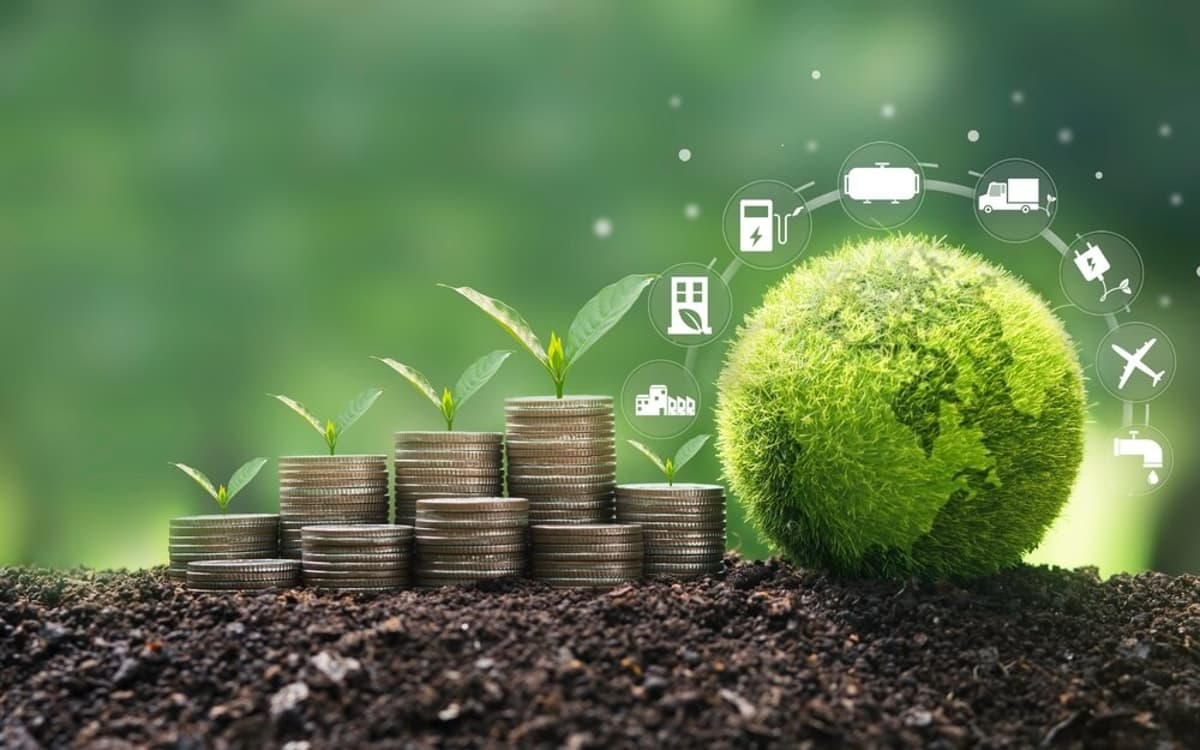
Clean industry projects locked in $43 billion in funding over the past six months alone, according to a new report from Mission Possible Partnership. That's more than double the rate from a year earlier, showing companies are racing to build factories that run on renewable energy instead of fossil fuels.
The boom includes plants making sustainable aviation fuel, green fertilizer, clean steel, and aluminum. These aren't niche products—they're the building blocks of modern life. Every plane, farm, bridge, and car depends on them.
What's driving this surge? Countries and companies are tired of getting burned by oil and gas price swings. The latest energy crisis reminded everyone that depending on fossil fuels means accepting supply shocks and economic chaos. Clean industry offers a way out.
The global pipeline now holds $4.7 trillion worth of potential clean industry projects. That includes $1.5 trillion for actual factories and another $3.2 trillion for the solar panels, wind turbines, and batteries to power them.
China leads the charge, accounting for 68% of new projects reaching final decision in the past six months. But other regions are catching up fast. India's project pipeline grew 30% in the same period, turning its abundant sunshine into industrial advantage.
The clean fuel sector shows what happens when governments set clear rules. Nine methanol plants, four sustainable aviation fuel facilities, and three clean ammonia plants reached final investment decision recently. Mandates requiring cleaner airplane fuel in Europe and Asia gave companies confidence to build, knowing they'd have customers waiting.
The Ripple Effect
Every new clean factory creates jobs far beyond its walls. Workers are needed to install solar panels, build equipment, construct plants, and run logistics. Europe and the US already have clean tech markets worth tens of billions of dollars.
Countries like India are forming partnerships with established economies, creating win-win deals. India produces clean ammonia using its renewable energy, while partner countries get stable supplies of cleaner materials. These relationships build supply chains that won't crumble during the next crisis.
Faustine Delasalle, CEO of Mission Possible Partnership, says countries building cleaner industrial systems gain control over the essentials of their economies: energy, food, materials, and goods that touch every part of daily life.
Vicky Roberts-Mills from insurance giant AXA XL notes that decarbonization isn't a future bet anymore. It's happening right now as a strategic priority for major companies worldwide.
The shift is spreading beyond factories to aviation fuel, shipping, and agriculture—sectors that together account for massive chunks of global emissions. As more projects break ground, the clean industry revolution is becoming the new normal for how the world makes things.
More Images



Based on reporting by Google: clean energy investment
This story was written by BrightWire based on verified news reports.
Spread the positivity!
Share this good news with someone who needs it