Clean Stoves Transform Health for 200 Women in Ghana
Women in Ghana's East Gonja District are breathing easier and earning more thanks to energy-efficient cooking stoves that eliminate toxic smoke and cut roasting time in half. The Eco-Flame Project has trained over 200 women to build and use the technology, turning a health hazard into a business opportunity.
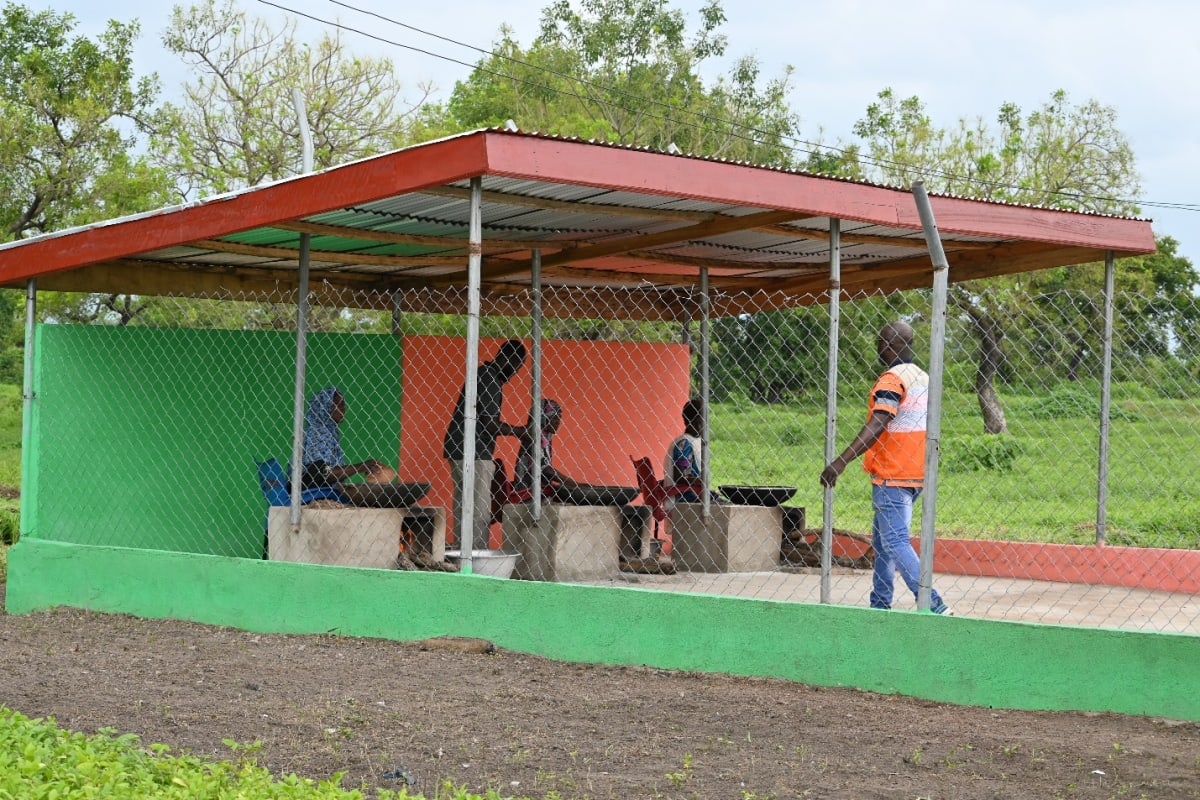
For years, women in Kakoshi and Lamsi spent hours over open fires, breathing thick smoke while roasting cassava into gari, a staple food. The traditional clay stoves left them with chronic coughs, burning eyes, and less time to earn income while contributing to deforestation across their communities.
That's changing fast thanks to the Eco-Flame Project, a partnership between World Vision Ghana and Vivo Energy. The initiative has trained more than 200 women to build, use, and maintain energy-efficient stoves that are transforming both their health and their bank accounts.
"Our old clay stoves used to give us a lot of sickness, but the modern stoves built by World Vision and Vivo Energy have brought a lot of relief, and we are grateful," said Azara Tahiru, one of the beneficiaries. She's not alone in noticing the difference.
Smoke exposure has virtually disappeared in households using the new stoves. Cases of cough and eye irritation have dropped significantly across both communities, giving women relief from ailments they'd accepted as part of daily life.
The business benefits are just as impressive. Gari roasting time has been cut in half, while fuel wood use per batch has fallen dramatically. The improved efficiency means better product quality, higher yields, and more income for the women who depend on gari production to support their families.
The Ripple Effect
The project is creating opportunities that extend far beyond individual stoves. Some women are now training others in stove construction and starting their own small businesses around the technology, spreading the benefits to neighboring communities.
Corporate Communication Manager Shirley Tony Kum emphasized the vision for sustainability during her visit to Kakoshi, highlighting plans to scale up the initiative across other communities. The model demonstrates how a simple technology upgrade can address multiple challenges at once.
The project aligns with five UN Sustainable Development Goals, supporting gender equity, clean energy access, health protection, and environmental stewardship. It's a powerful example of how energy-efficient technology, skills training, and local leadership can combine to produce measurable improvements in both health and income.
Women who once spent their days choking on smoke are now breathing clean air, earning more money, and teaching others to do the same.
Based on reporting by Myjoyonline Ghana
This story was written by BrightWire based on verified news reports.
Spread the positivity!
Share this good news with someone who needs it