Climate Adaptation Cuts Migration in Africa by 20 Years
A groundbreaking 20-year study reveals that helping African communities adapt to climate change dramatically reduces forced migration, even during droughts and conflicts. The secret ingredient? Stronger farms, better water access, and disaster preparedness.
Communities across Africa are staying home despite droughts and conflicts, thanks to climate adaptation efforts that are proving more powerful than researchers expected.
A new study spanning two decades and multiple African nations shows that countries investing in climate adaptation see significantly lower migration rates, even when hit by the double threat of drought and armed conflict. The research, led by Professor Hyun Kim at Chungnam National University, analyzed population movement data from 1995 to 2015 and found something remarkable: adaptation doesn't just protect the environment, it protects entire communities from displacement.
The findings center on a simple but profound truth. When farmers can grow more food, when families have access to clean water, and when communities prepare for disasters, people can weather storms that would otherwise force them to flee.
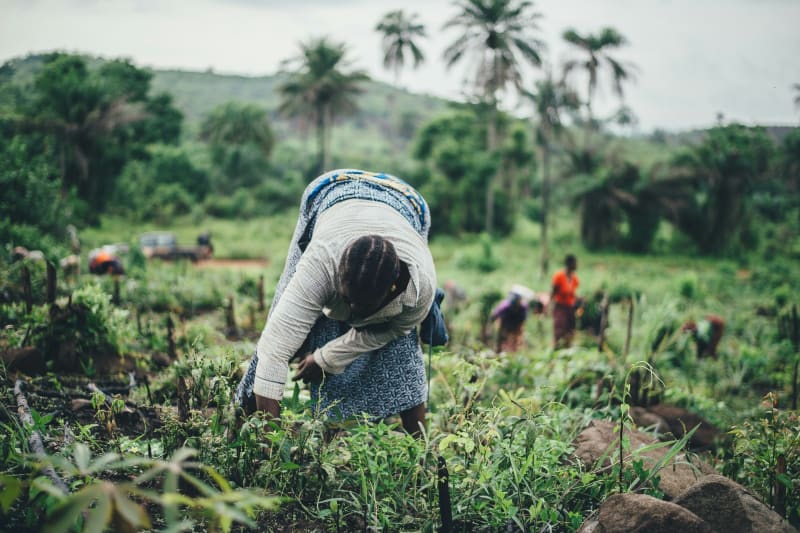
Agricultural productivity emerged as the star player in this story. Countries with higher crop yields consistently showed lower migration numbers during crisis periods, proving that food security gives families the stability they need to stay put even when conditions turn harsh.
The research team examined data from the UN refugee agency, conflict records, and disaster databases to paint a complete picture. They measured adaptive capacity through concrete indicators like farm output, water access, healthcare systems, roads, and emergency preparedness, finding that these factors work together to create resilience.
Why This Inspires
Climate adaptation is usually framed as a slow, future-focused environmental strategy. This research flips that narrative by showing immediate, tangible benefits for real people facing real crises today.
The study found that while drought and armed conflict each independently push people to migrate, their combined impact weakens dramatically in countries with stronger adaptive systems. This protective effect becomes most visible during overlapping crises, exactly when communities need it most.
Professor Kim emphasizes that these investments deliver triple wins. They reduce displacement, support multiple UN Sustainable Development Goals including health, equality, and peace, and prevent humanitarian crises before they escalate into mass migration events.
The implications stretch far beyond Africa. As climate risks intensify globally, this research offers a blueprint for protecting vulnerable communities everywhere through targeted adaptation investments rather than managing displacement after the fact.
The message is clear and hopeful: we don't have to accept climate-driven migration as inevitable. Strategic investments in agriculture, water systems, and disaster preparedness can help millions of people stay in their homes and communities, turning potential displacement into stories of resilience.
More Images


Based on reporting by Phys.org
This story was written by BrightWire based on verified news reports.
Spread the positivity!
Share this good news with someone who needs it