Climate Education Empowers 3.3M Youth Across 19 Countries
Young people across Africa, Asia, and the Middle East are transforming from climate-worried to climate-ready through hands-on education programs. Students in refugee camps, rural villages, and cities are planting mangroves, managing waste, and launching green businesses after gaining practical skills.
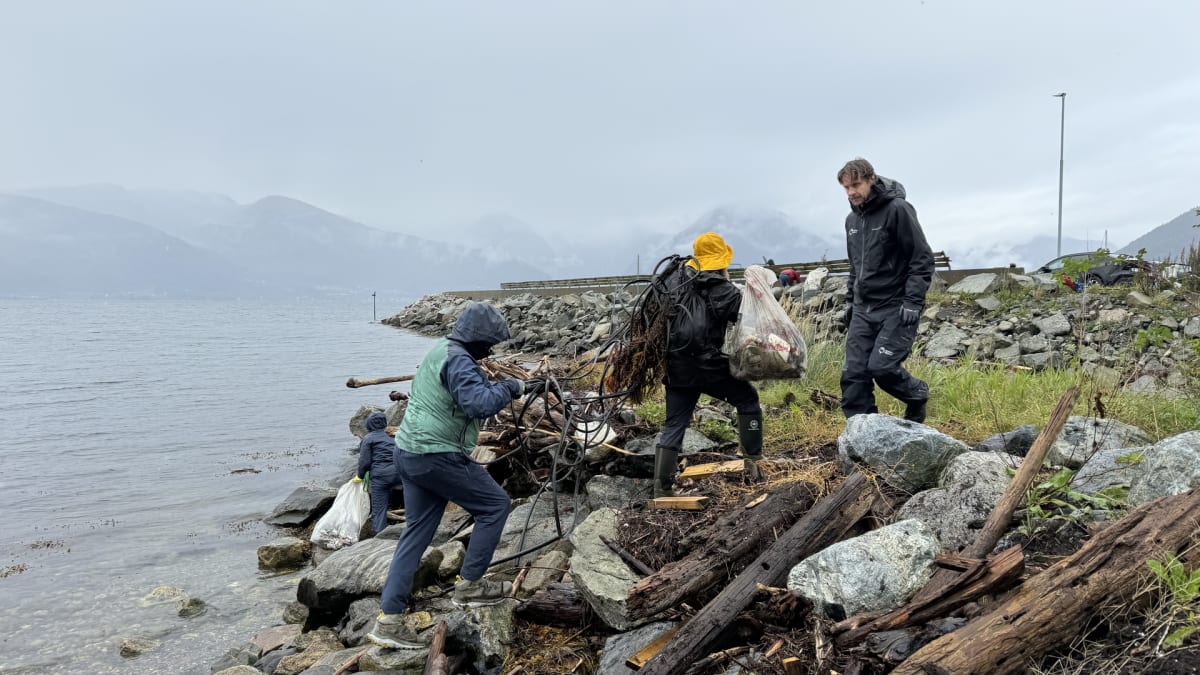
Students at Kiswa Panza Secondary School in Zanzibar spent last October planting mangroves along their coastline, protecting their island from erosion one seedling at a time. These teenagers aren't just learning about climate change in textbooks anymore. They're solving it in their own backyards.
The shift is happening worldwide. Education Above All Foundation has worked with 3.3 million young people across 19 countries to turn climate anxiety into climate action. Instead of just teaching the science of rising temperatures, programs now teach practical skills like resource conservation, waste management, and clean energy adoption.
In Kenya's refugee camps, young people from both refugee and host communities are restoring degraded land together. They're planting trees, managing waste systems, and bringing clean energy solutions to their schools. The work strengthens both the environment and community bonds across divides.
The timing matters more than ever. Less than half of national education systems worldwide integrate climate change meaningfully into their curricula, leaving millions of students aware of problems but unsure how to help. Rural and marginalized youth face the biggest gaps in learning opportunities.
Egypt's program shows what's possible when education meets opportunity. Youth there are building green careers through job placements and entrepreneurial ventures after completing climate training. In Uzbekistan, climate education is now woven into secondary school curriculum alongside hands-on training that connects classroom learning to real community needs.
Colombia is taking a whole-society approach. The country is embedding climate learning into national curricula for both students and out-of-school youth, ensuring everyone can contribute to local solutions.
The Ripple Effect
The changes extend far beyond individual students. In Jordan and Lebanon, youth-led climate projects are generating measurable environmental improvements in their communities. These aren't symbolic gestures but tangible contributions that improve daily life and strengthen resilience against climate impacts.
Young people consistently say they want to be part of solutions when given the means. Studies show many children feel overwhelmed about the planet's future, but programs prove that anxiety transforms into agency when paired with knowledge and tools. Students in Pakistan, Tanzania, and Egypt report the same pattern: concern about water scarcity and displacement shifts into determination when they gain practical skills.
Teachers need support to make this transformation widespread. Governments and development partners must prioritize integrating action-driven climate education into national systems, particularly in vulnerable regions. This means training educators, developing locally relevant materials, and creating hands-on learning opportunities.
The next generation isn't waiting on the sidelines to inherit climate solutions. They're building them now, one mangrove forest and one green business at a time.
More Images



Based on reporting by Google News - Climate Solution
This story was written by BrightWire based on verified news reports.
Spread the positivity!
Share this good news with someone who needs it