Cognito Raises $105M for Light-Based Alzheimer's Device
A Boston company just secured $105 million to bring a groundbreaking Alzheimer's treatment to market that uses light and sound instead of drugs. The wearable device has already completed clinical trials and could offer new hope to millions of families affected by dementia.
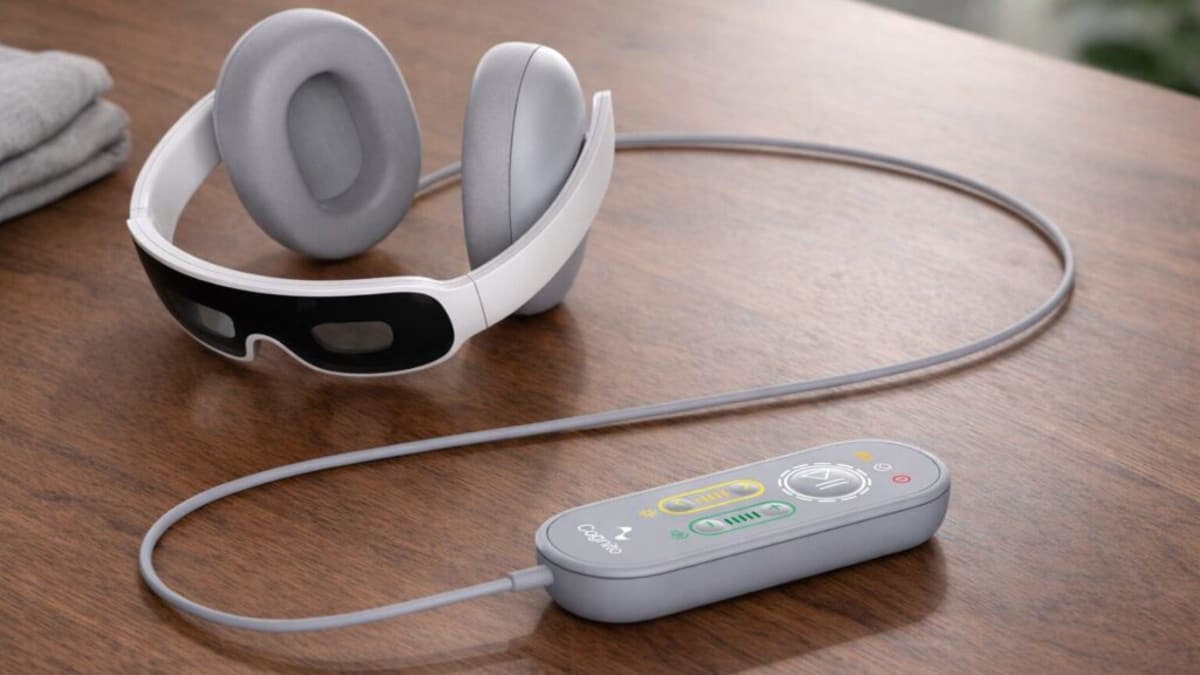
Imagine treating Alzheimer's disease by wearing something that looks like headphones and sunglasses for an hour a day. That's the promise behind Cognito Therapeutics' latest breakthrough, and investors just bet $105 million it's the future of dementia care.
The Boston company announced Thursday it closed a massive Series C funding round led by Morningside Ventures, IAG Capital Partners, and Starbloom Capital. The money will help bring their device, called Spectris, through FDA approval and eventually to patients' homes.
Spectris doesn't use medications or surgery. Instead, it delivers carefully tuned gamma frequency light and sound directly to the brain. The technology comes from groundbreaking research at MIT that discovered how specific frequencies can restore brain activity disrupted by Alzheimer's and other neurodegenerative diseases.
The science sounds futuristic, but it's elegantly simple. Patients wear the device for one hour daily while it pulses gentle light and sound at precise frequencies. These stimuli help reactivate neural patterns that Alzheimer's gradually destroys.
Founded nearly ten years ago, Cognito has now raised $233 million total as it waits for pivotal clinical trial results. The company expects these results will support FDA clearance, potentially making Spectris one of the first non-drug treatments for Alzheimer's to reach the market.
The Ripple Effect
Over six million Americans live with Alzheimer's, a number expected to nearly triple by 2050. Current treatments only modestly slow decline and come with significant side effects. A device-based approach could transform care by offering a gentler option that patients use at home.
The broader impact extends beyond Alzheimer's. If gamma frequency stimulation proves effective for one neurodegenerative condition, it could open doors for treating Parkinson's, dementia, and other brain diseases. Cognito's approach represents a entirely new category of therapy that works with the brain's natural rhythms rather than against them.
For the millions of families watching loved ones slip away to dementia, device-based treatments offer something current medications cannot: hope without harsh side effects. That's why investors are betting big on this technology, and why the next few months of trial results could mark a turning point in how we treat brain disease.
The FDA decision could come within the year, potentially offering families a new tool in their fight against a disease that has had too few answers for too long.
More Images




Based on reporting by STAT News
This story was written by BrightWire based on verified news reports.
Spread the positivity!
Share this good news with someone who needs it