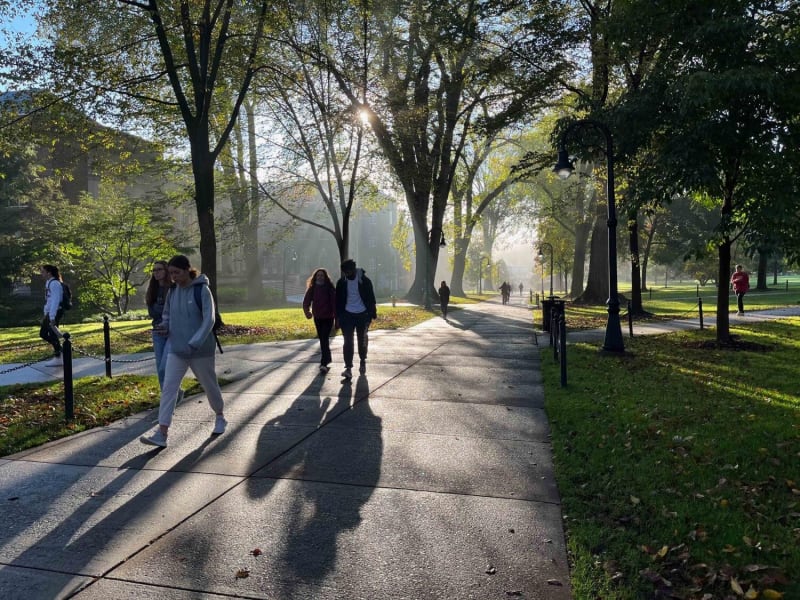
Colleges Find New Path to Help Struggling Students Thrive
Over a quarter of college students seeking counseling face financial insecurity, but new research shows coordinated campus support can transform outcomes. Penn State's national study offers a roadmap for universities to turn crisis into community.
College students are struggling with more than just exams and essays. A new national report reveals that financial insecurity affects more than one in four students who seek counseling services, but universities now have a proven blueprint to help them succeed.
Penn State's Center for Collegiate Mental Health analyzed data from over 162,000 students across 209 campuses nationwide. The findings paint a challenging picture: students facing basic needs insecurity are working longer hours, missing out on campus life, and experiencing higher psychological distress than their financially secure peers.
But here's where the story gets hopeful. The research doesn't just identify the problem. It offers concrete solutions that work.
First-generation students, adult learners, and those in their fifth year or beyond face the highest rates of financial struggle. Many are choosing between textbooks and groceries, between rent and participation in campus activities that build belonging and community.
"Financial challenges often present as psychological symptoms that counseling centers can address," said Brett Scofield, executive director of the Center for Collegiate Mental Health. "But identifying these factors early allows clinicians to do more than treat distress."
The Ripple Effect
When universities screen for financial needs early and coordinate support across departments, students get the help they need without navigating bureaucratic mazes alone. Counseling centers can connect students to food pantries, emergency grants, and financial coaching. Academic advisors can link them to housing assistance and transportation support.
The report recommends creating affinity groups specifically for working students and adult learners, offering low-time-commitment ways to stay connected to campus community. Some schools are already partnering with local food banks, health clinics, and legal aid organizations to extend their safety net beyond campus boundaries.
These aren't theoretical ideas. They're proven interventions that reduce both financial strain and emotional distress while helping students feel like they truly belong.
The research shows that when students receive coordinated support addressing both their mental health and basic needs, outcomes improve across every measure. Students stay in school, engage more fully, and thrive rather than just survive.
Over 800 college counseling centers are now part of this practice-research network, sharing what works and continuously improving their approach. The movement toward whole-campus care is growing, recognizing that student success requires meeting students where they are with the resources they actually need.
When colleges invest in early screening, coordinated care, and community partnerships, they're not just helping students get by—they're helping them flourish.
More Images


Based on reporting by Phys.org
This story was written by BrightWire based on verified news reports.
Spread the positivity!
Share this good news with someone who needs it

%2Ffile%2Fattachments%2Forphans%2Fchancellors_355742.jpg)