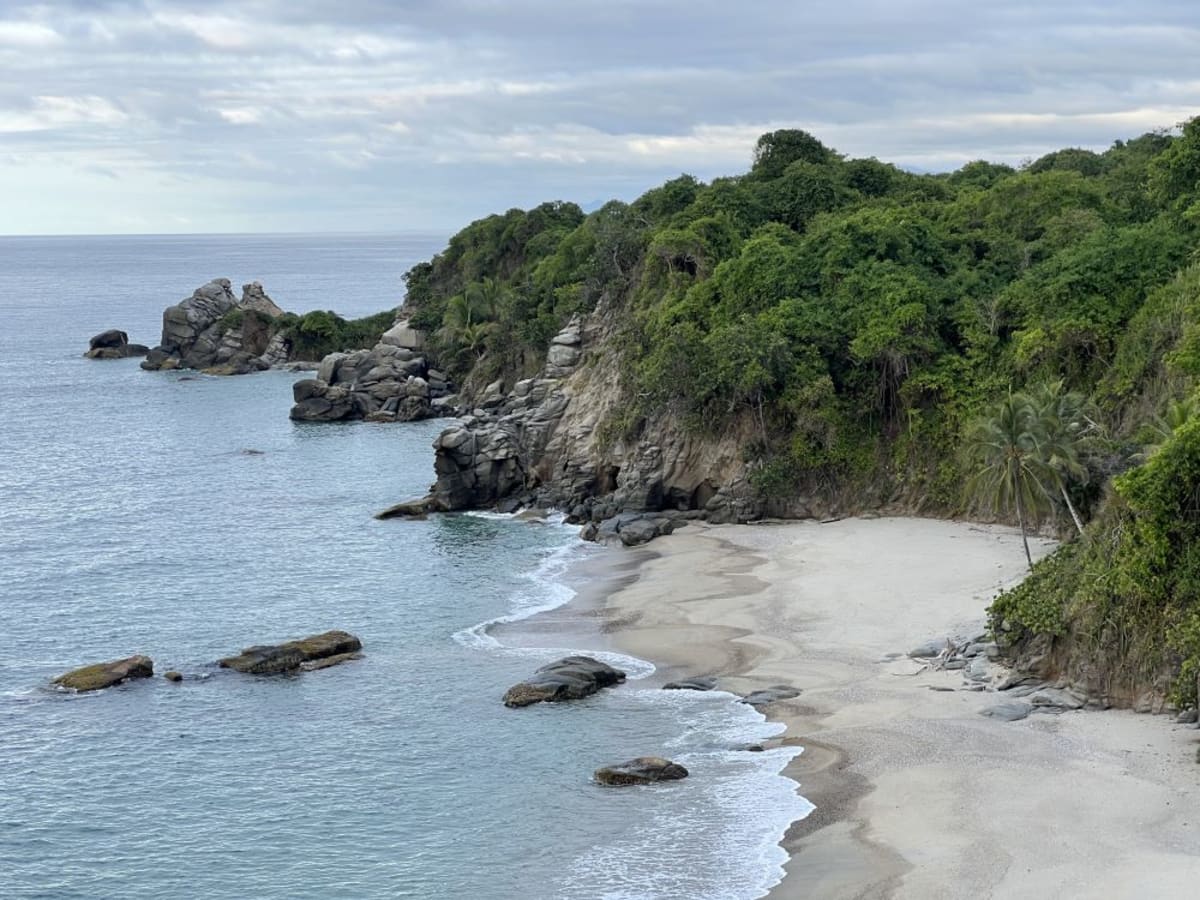
Colombia Bans Fossil Fuels Across Entire Amazon Region
Colombia just created the world's first region-wide fossil fuel ban across its entire Amazon rainforest. The groundbreaking move protects 20% of intact Amazon forest and nearly 70% of Indigenous territories from oil and gas extraction.
Colombia just drew a line in the sand that could change how the world protects its most precious forests. Last September, the South American nation became the first country to ban all fossil fuel and mining extraction across its entire Amazon region.
The decision came after research showed that drilling for oil beneath Colombia's rainforest would cost more than it would earn. Developing these reserves would create billions in losses while threatening one of Earth's most critical ecosystems and the Indigenous communities who call it home.
This isn't just an environmental win. It's economic common sense in a world rapidly shifting to clean energy.
The concept behind Colombia's bold move is called a Fossil Free Zone. These are specific areas like rainforests, coral reefs, or Indigenous lands where new oil and gas drilling is permanently banned. Think of them as nature's no-go zones for fossil fuel companies.
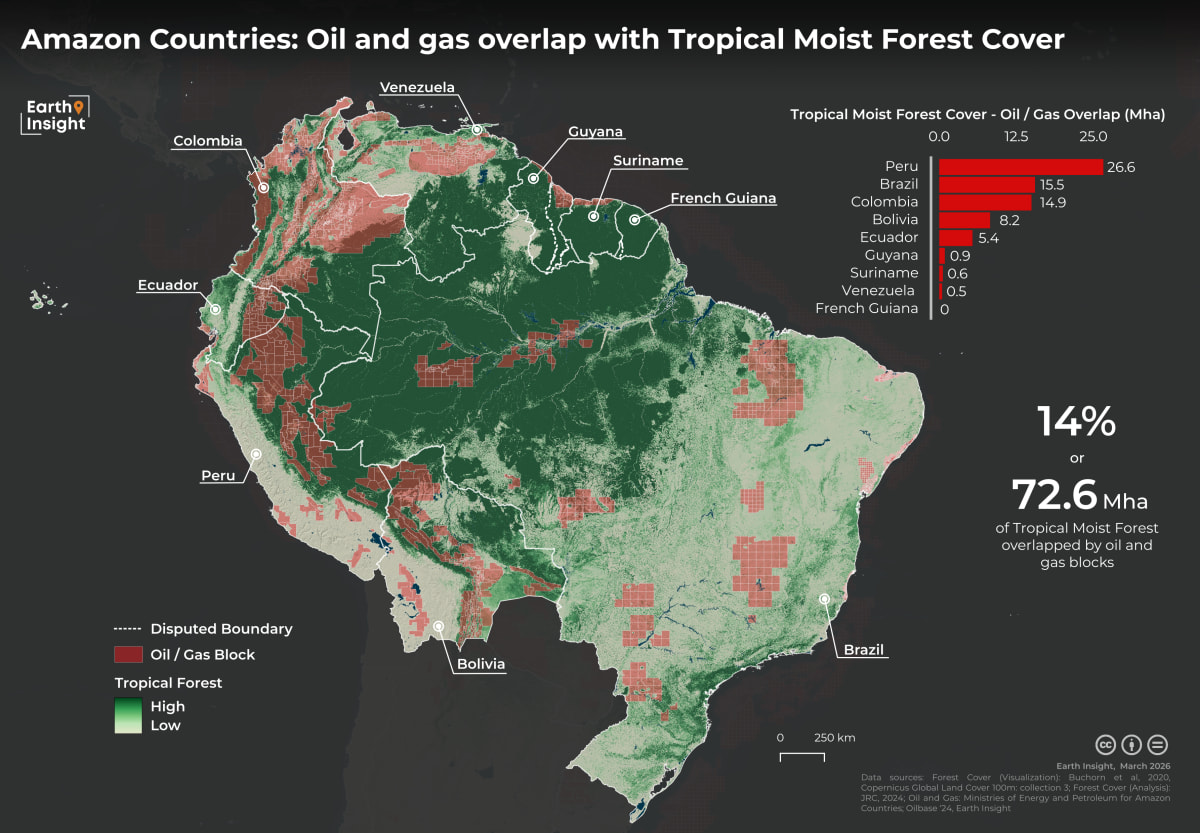
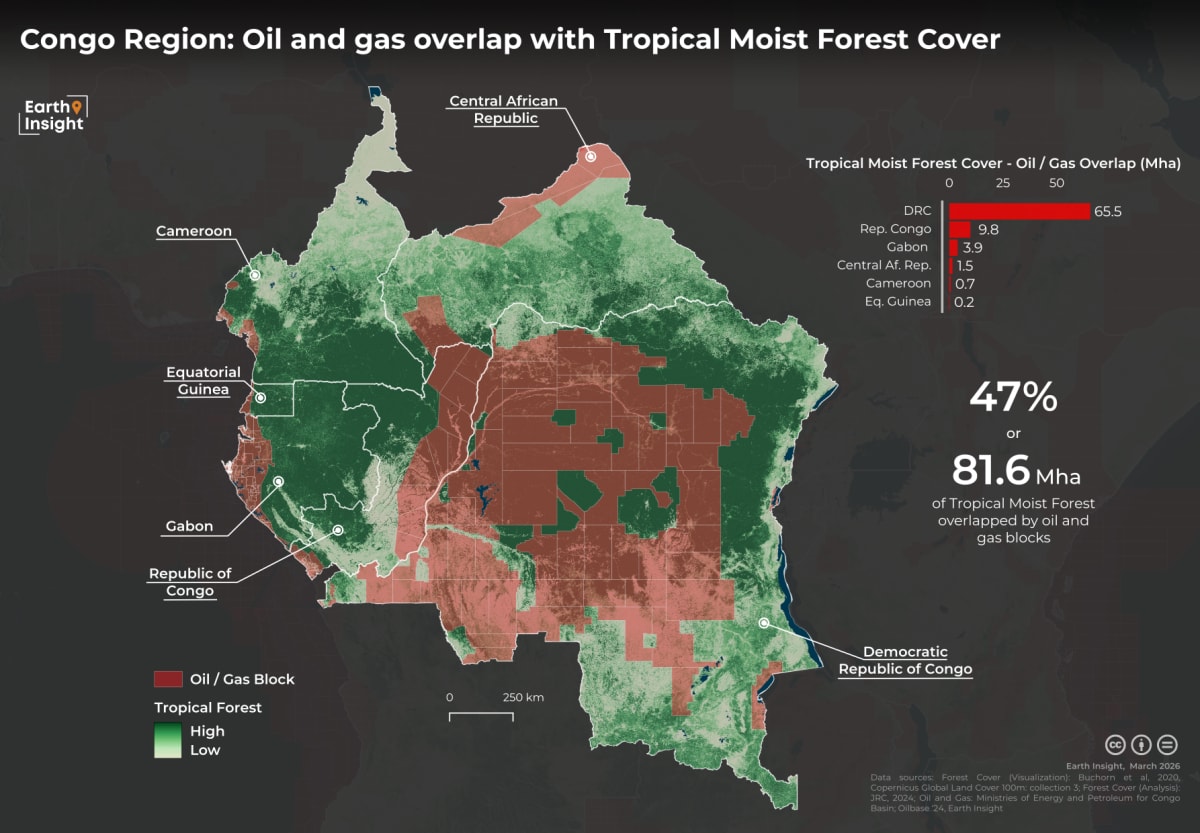
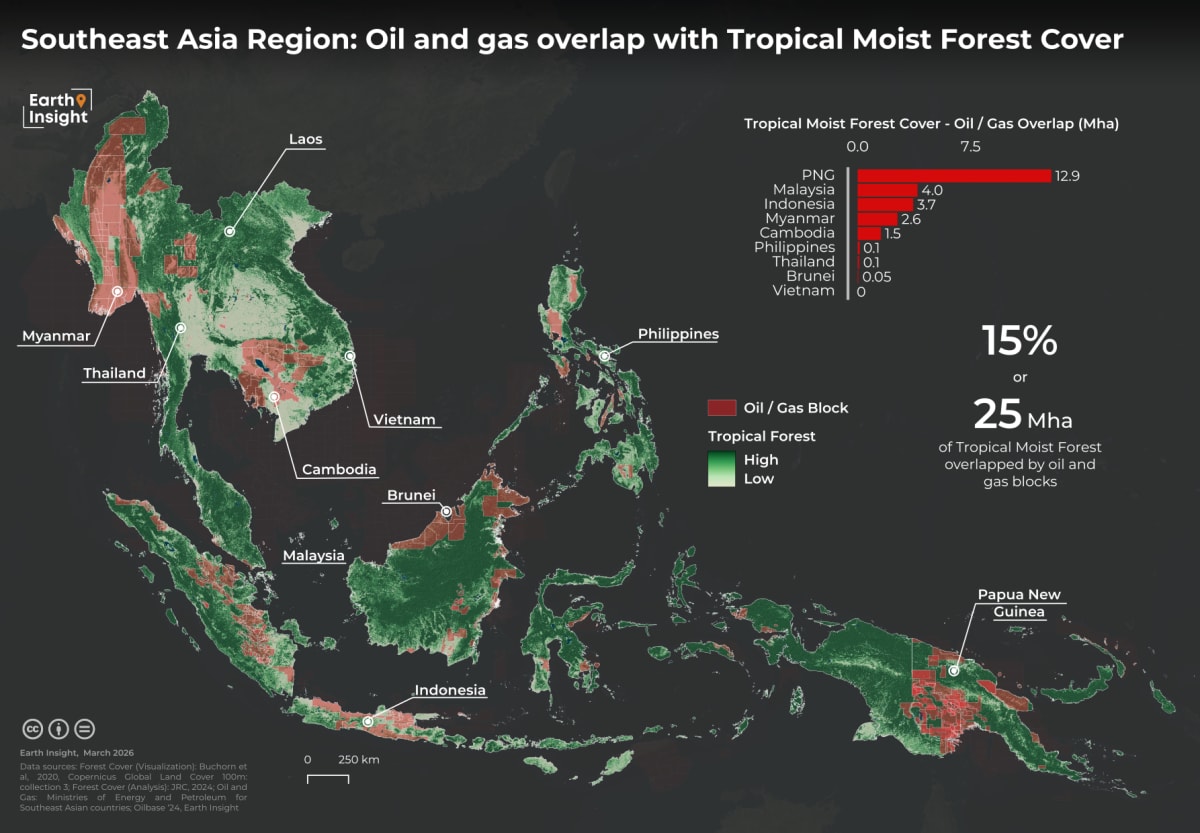
The numbers tell a troubling story that makes these protections urgent. Oil and gas blocks currently overlap with 179 million hectares of tropical rainforests. That's 21% of the Amazon, Congo Basin, and Southeast Asian forests combined. In 2024 alone, 85% of new oil discoveries happened offshore, often right on top of marine biodiversity hotspots.
Other countries are following Colombia's lead. Mexico has established 100 million hectares of similar protected zones. Guatemala ended oil extraction in the Mayan Biosphere Reserve. Lawmakers across the Amazon basin are now introducing bills to extend the ban region-wide.
The Ripple Effect spreads beyond borders too. As wind and solar energy outpace new electricity demand worldwide, remote forest oil reserves are becoming uncompetitive. They require massive public investment in roads and infrastructure that often enable illegal logging and agricultural expansion. Meanwhile, intact forests generate jobs through protected area management, sustainable tourism, and watershed services. Over 33 million people work directly in the forest sector, with 1.6 billion small forest farm producers depending on healthy ecosystems.
The financial world is taking notice. Eleven banks have already restricted funding to Amazon oil and gas projects, recognizing the growing legal and reputational risks.
In April, delegations from dozens of countries will gather in Colombia for the First Conference on Transitioning Away from Fossil Fuels. The timing couldn't be better. Colombia is proving that protecting forests and building economic security can go hand in hand.
This model shows countries don't have to choose between conservation and prosperity when keeping forests standing makes more financial sense than cutting them down.
More Images

Based on reporting by Google News - Clean Energy
This story was written by BrightWire based on verified news reports.
Spread the positivity!
Share this good news with someone who needs it