Colombia Becomes First in Latin America to Ban FGM
After a two-year fight led by Indigenous women, Colombia just passed groundbreaking legislation to end female genital mutilation. The unanimous vote marks a historic win for girls' rights across the continent.
Colombia just made history as the first Latin American country to ban female genital mutilation nationwide. The landmark bill passed unanimously on June 10 after Indigenous leader Claudia Quiragama fought tirelessly to protect girls in her community.
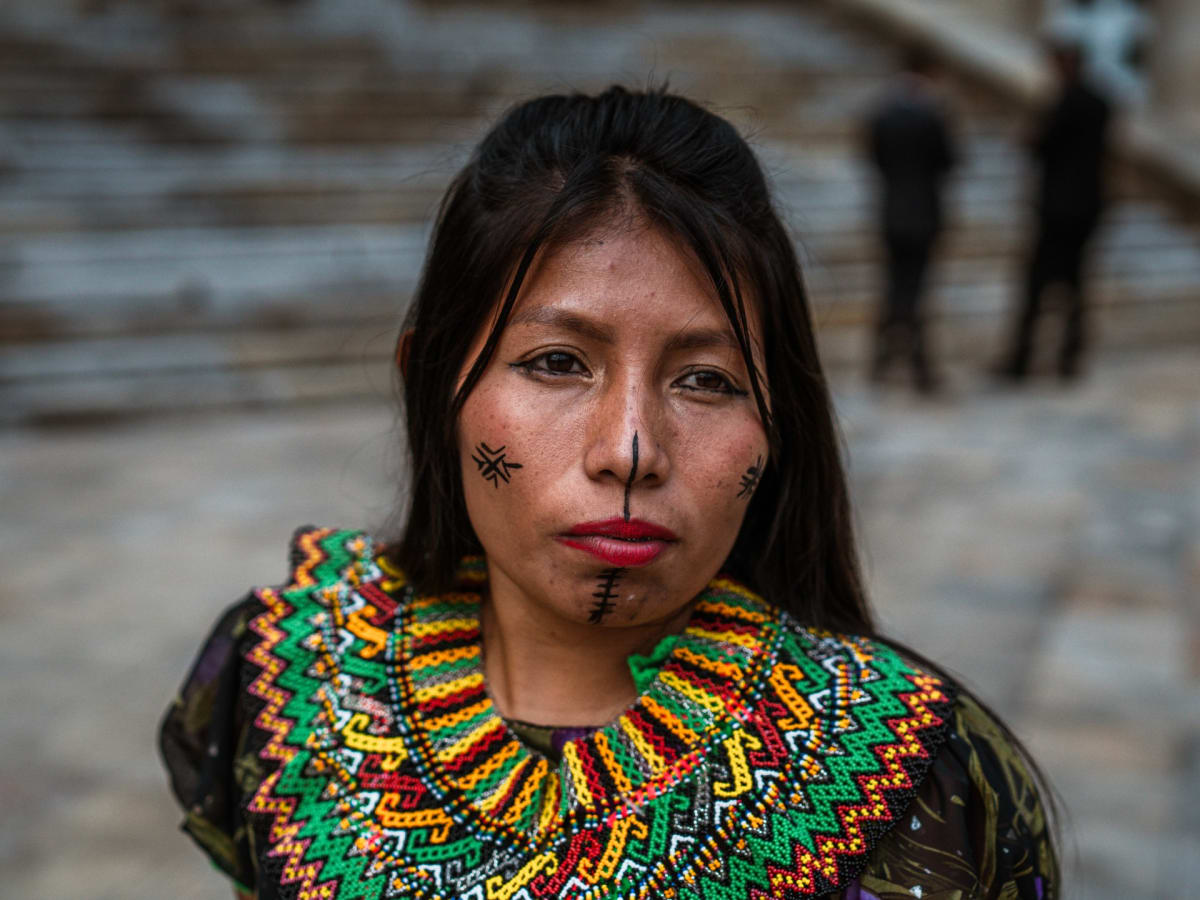
Quiragama, an Embera Indigenous leader, rushed onto the Senate floor wearing traditional beadwork to witness the final vote. "This is what we need," she told legislators, her voice filled with emotion.
The practice still happens in remote Embera communities in western Colombia, where tradition and secrecy have kept it hidden for generations. Between January 2024 and March 2026, authorities recorded 98 cases, though activists believe the real number is much higher.
The issue came to light in 2007 when two young girls died from infections after the procedure. Their deaths sparked nearly two decades of advocacy to end a practice the World Health Organization recognizes as a human rights violation.
Sebastiana Pepe Batesa, an Embera midwife and Quiragama's mother, became a leading voice against the practice after witnessing its devastating effects. One of her own children underwent the procedure as a baby and suffered severe health consequences.
Speaking out came at a cost. Pepe Batesa faced threats and insults from community members who saw her activism as a betrayal of tradition.
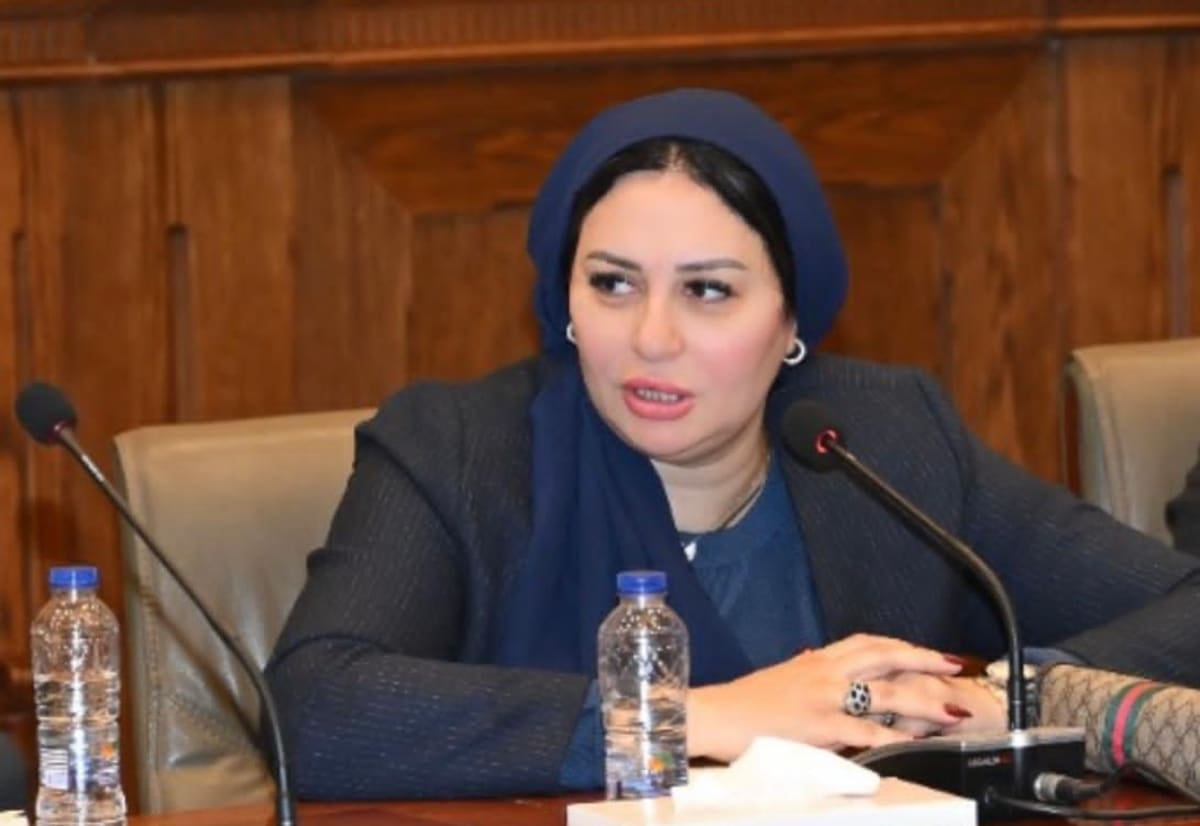
But she and Quiragama persisted, working alongside Representative Carolina Giraldo to draft Bill 440. The legislation focuses on prevention, education and support rather than punishment.
Why This Inspires
This victory shows how courage can transform communities. Two Indigenous women took on generations of silence and secrecy, risking their safety to protect future generations of girls.
Their advocacy bridges cultural respect with human rights. The bill aims to support families and educate communities rather than criminalize parents, recognizing that change happens through understanding, not punishment.
Around 230 million women and girls worldwide have undergone some form of genital mutilation. Colombia's new law sends a powerful message across Latin America that protection of girls' rights can honor Indigenous communities while ending harmful practices.
The bill now awaits President Gustavo Petro's signature to become law, bringing hope to countless girls who will grow up safer because two women refused to stay silent.
Based on reporting by Al Jazeera English
This story was written by BrightWire based on verified news reports.
Spread the positivity!
Share this good news with someone who needs it