Colombia's Peace: 10 Years of Progress From the Ground Up
Nearly a decade after Colombia ended 50 years of armed conflict, researchers are gathering real stories from the communities rebuilding their lives. Their insights reveal what actually works when turning peace agreements into lasting change.
Nearly a decade after Colombia signed a historic peace agreement ending over 50 years of war, researchers are asking the people who matter most: Is peace really working?
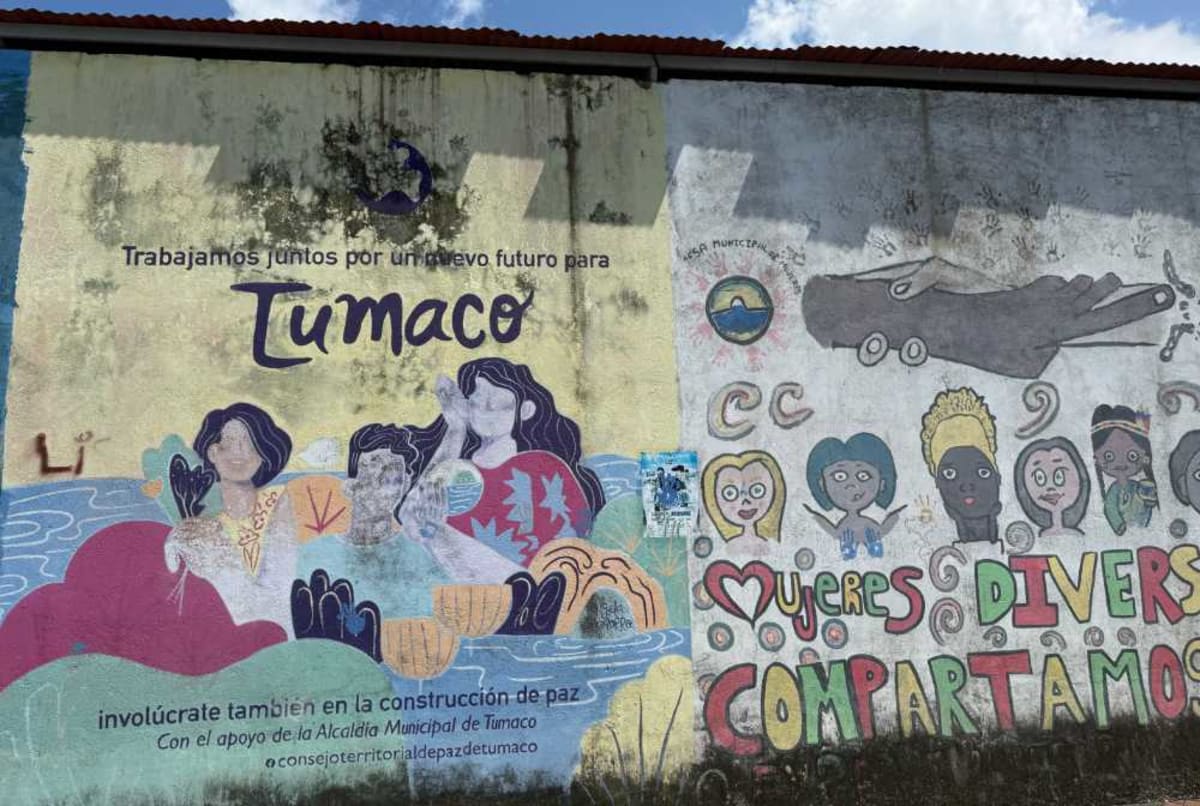
In 2016, the Colombian government and FARC-EP rebels signed an ambitious deal to end one of the world's longest conflicts. Now, the Peace Research Institute Oslo is bringing together voices from across Colombia's territories to share what peace actually looks like in their daily lives.
The answer is complicated but hopeful. Peace hasn't arrived evenly across Colombia. Some communities are thriving while others still struggle with unfulfilled promises from the agreement.
That's why researchers spent months talking to the people making peace happen on the ground. They interviewed local government officials working to deliver the agreement's commitments. They spoke with community members about what they need to feel safe and hopeful again.
Most importantly, they listened to children and young people who are growing up in this new era. Their perspectives matter because they'll be the ones carrying Colombia's peace into the future.
One of the biggest challenges has been helping former combatants return to civilian life. After decades of war, building trust between ex-fighters and their communities takes more than signatures on paper. It requires understanding how wartime rituals affect people and creating new ways for former enemies to cooperate.
Public officials shared honest insights about the obstacles they face. Limited resources, geographic challenges, and the sheer complexity of transforming entire regions all slow progress. But they're learning what works.
The Ripple Effect
Communities are discovering that sustainable peace needs more than ending violence. It requires economic opportunities, accessible services, and ensuring everyone has a voice in decisions that affect their lives. When young people participate in peace building, entire communities benefit from their fresh perspectives and energy.
The research reveals something powerful: local knowledge matters as much as national policy. The people living in conflict-affected territories understand better than anyone what their communities need to heal and move forward.
These conversations are already shaping how Colombia approaches the next decade of peace building. By centering the experiences of bureaucrats, community members, and youth, the country is creating a more realistic roadmap for lasting change.
Ten years in, Colombia's peace journey shows that ending war is just the beginning. The harder work of building trust, creating opportunities, and including everyone in the future takes patience, resources, and listening to the people who know their communities best.
Colombia's willingness to honestly assess both progress and shortcomings offers hope that peace can deepen in the decade ahead.
Based on reporting by Google News - Peace Agreement
This story was written by BrightWire based on verified news reports.
Spread the positivity!
Share this good news with someone who needs it