Colon Cancer's Microbial Fingerprint Could Transform Care
Scientists discovered that colorectal cancer carries a unique microbial signature that sets it apart from all other cancers, opening new possibilities for diagnosis and personalized treatment. The finding challenges decades of assumptions about how microbes interact with tumors.
Colorectal cancer might be hiding a secret weapon against itself.
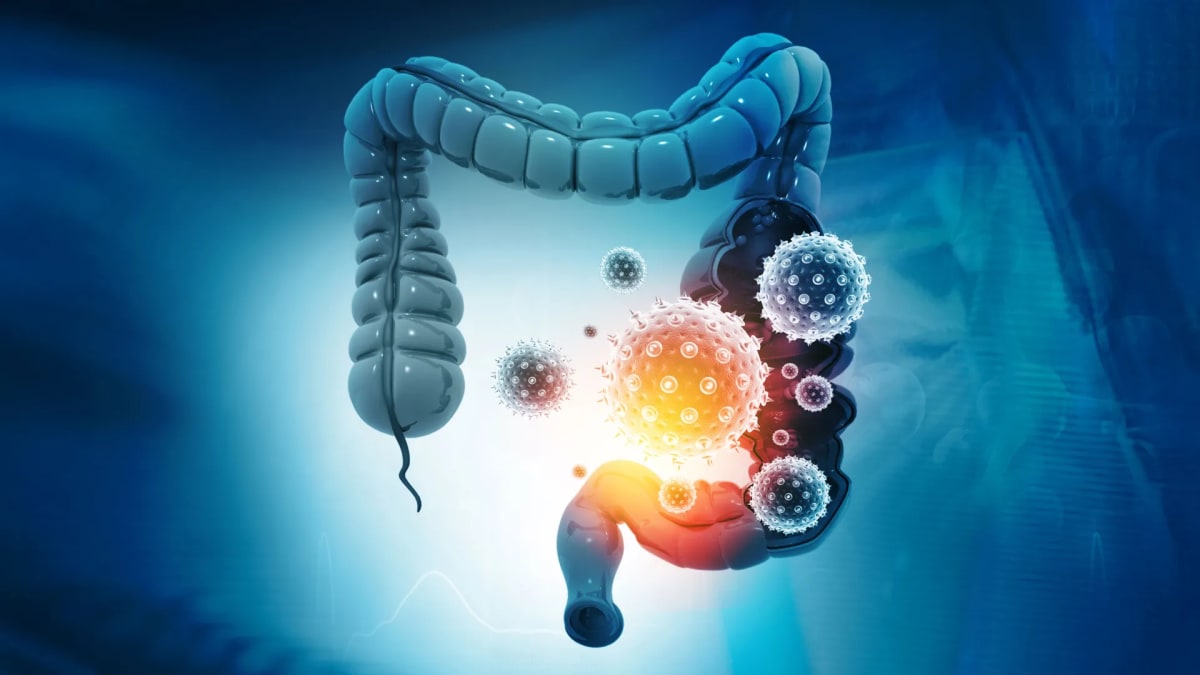
Researchers at the University of East Anglia analyzed DNA from more than 9,000 cancer patients and discovered something remarkable. Only colorectal tumors carry a distinct microbial fingerprint that could help doctors diagnose the disease more accurately and tailor treatments to individual patients.
The discovery challenges a long-held belief in cancer research. Scientists previously assumed every cancer type had its own unique microbial signature, but this massive study proved otherwise.
Dr. Abraham Gihawi from UEA's Norwich Medical School led the research team that examined tumor samples from 22 different cancer types. They developed computer programs to separate human DNA from microbial DNA, revealing which microorganisms lived inside each tumor.
The results were clear. Colorectal cancer stood alone as the only cancer with consistently identifiable microbial communities.
This matters because colorectal cancer ranks as the fourth most common cancer in the UK and the second leading cause of cancer deaths. Better understanding of these microbial fingerprints could help doctors predict how aggressive a tumor might become and which treatments would work best for each patient.
The research revealed additional promising applications. In oral cancers, the method detected viruses like HPV more accurately than some current diagnostic tests. In certain sarcoma cases, specific bacteria were linked to better survival rates, suggesting microbes might one day help predict treatment responses.
The Bright Side
The most exciting part? This breakthrough doesn't require expensive new technology. As whole genome sequencing becomes standard practice in hospitals, doctors can extract this microbial information from tests they're already running at virtually no extra cost.
Prof Daniel Brewer from UEA's Norwich Medical School emphasized how genome sequencing is becoming essential for precision medicine. By revealing hidden infections and providing insight into cancer prognosis, this approach demonstrates the power of looking beyond traditional diagnostic methods.
The research team included scientists from institutions across the UK, Greece, and the United States, with funding from the Big C Cancer Charity and Prostate Cancer UK. Their findings appeared in Science Translational Medicine, marking a significant step forward in understanding the complex relationship between microbes and cancer.
For patients facing colorectal cancer diagnoses, this discovery offers genuine hope for more personalized, effective treatments based on their tumor's unique microbial signature.
Based on reporting by Science Daily
This story was written by BrightWire based on verified news reports.
Spread the positivity!
Share this good news with someone who needs it