Colonial Water Well Found Beneath Montevideo Museum
Workers installing an elevator in Uruguay's historic Cabildo Museum uncovered a hidden water source that may solve mysteries about how colonial Montevideo survived sieges. The 18th-century discovery is rewriting the city's early history.
A simple construction project just revealed how an entire city survived centuries ago.
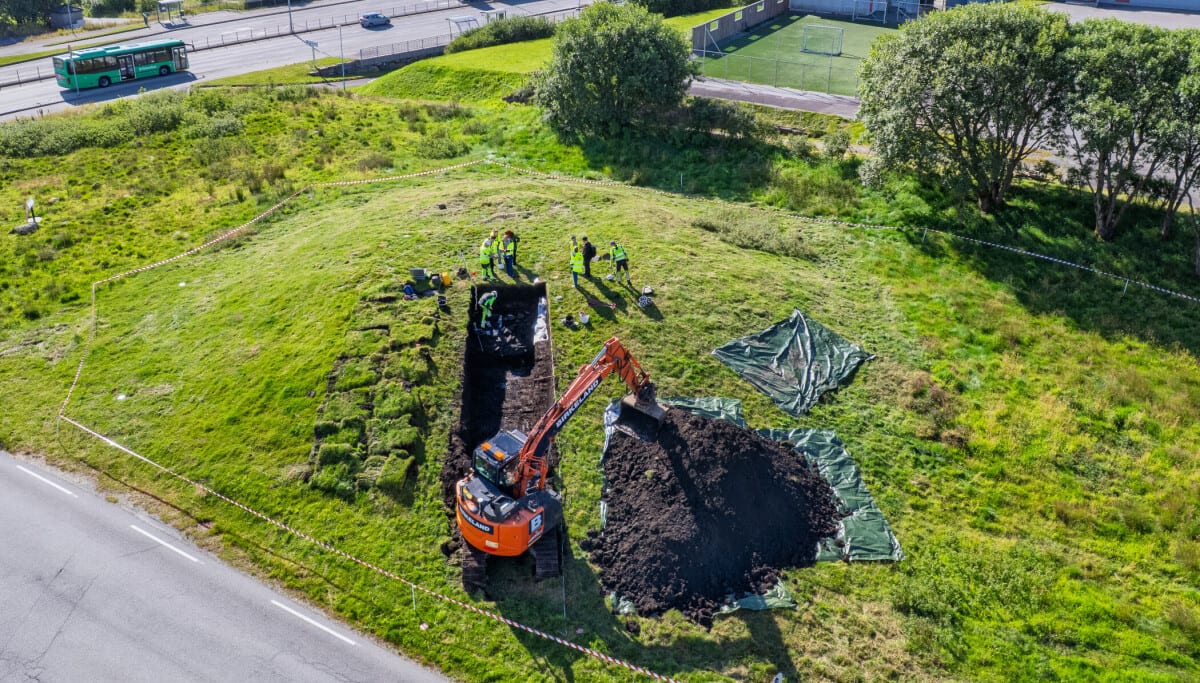
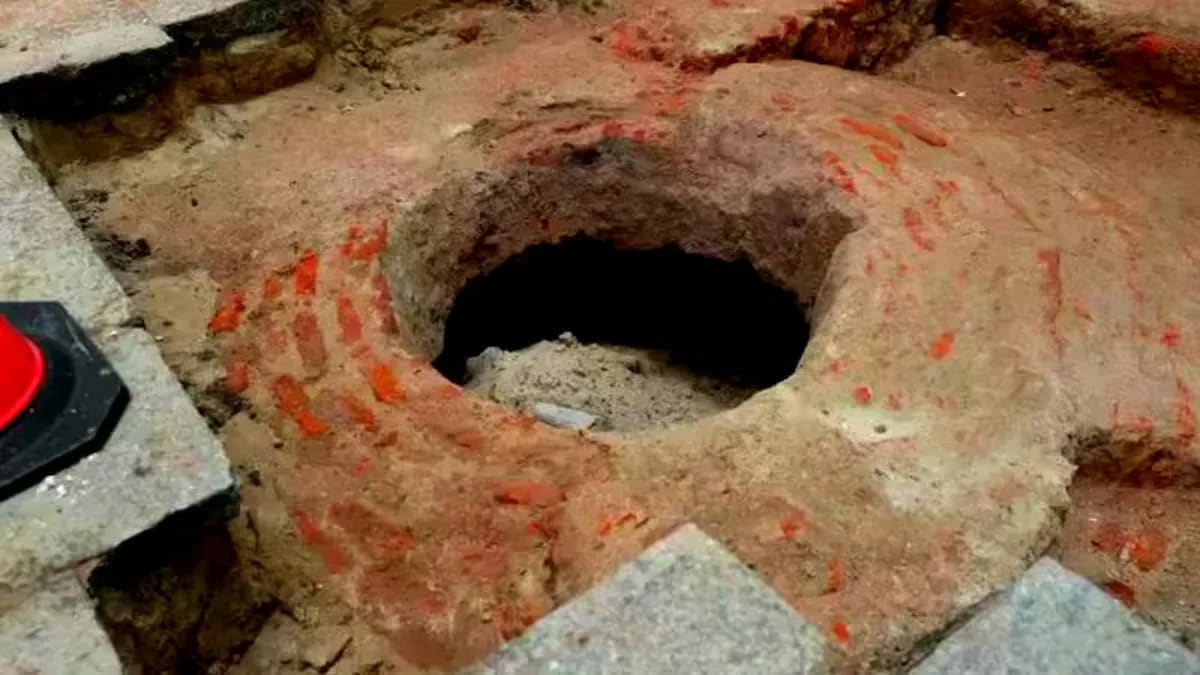
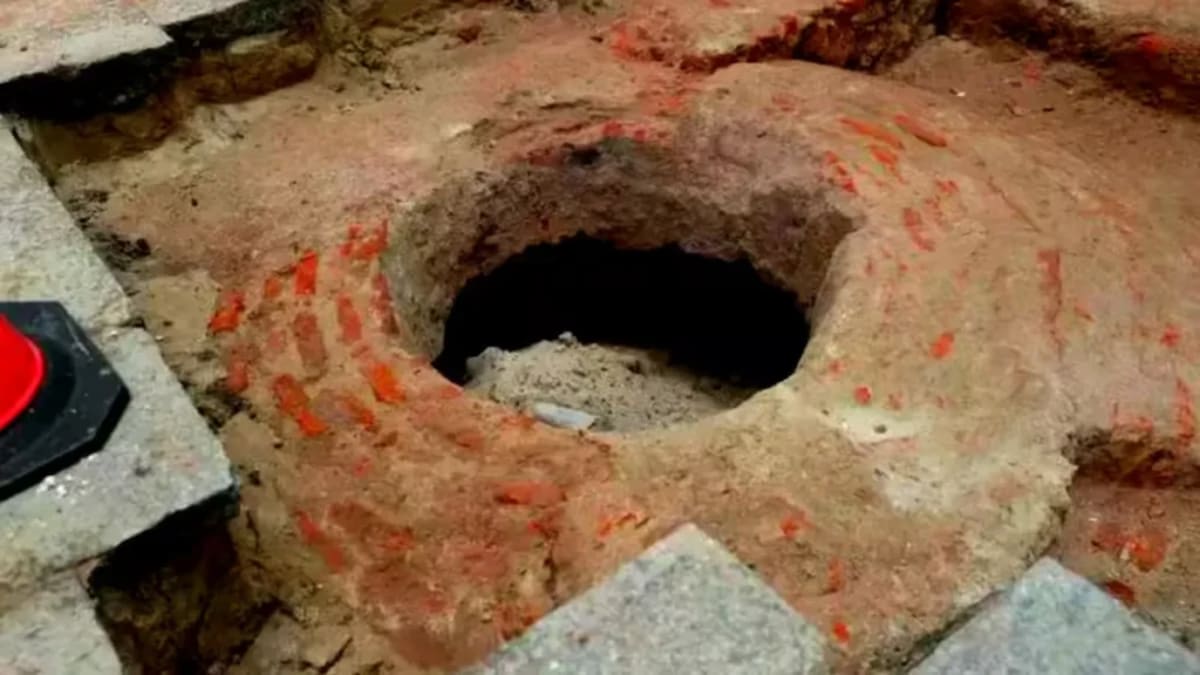
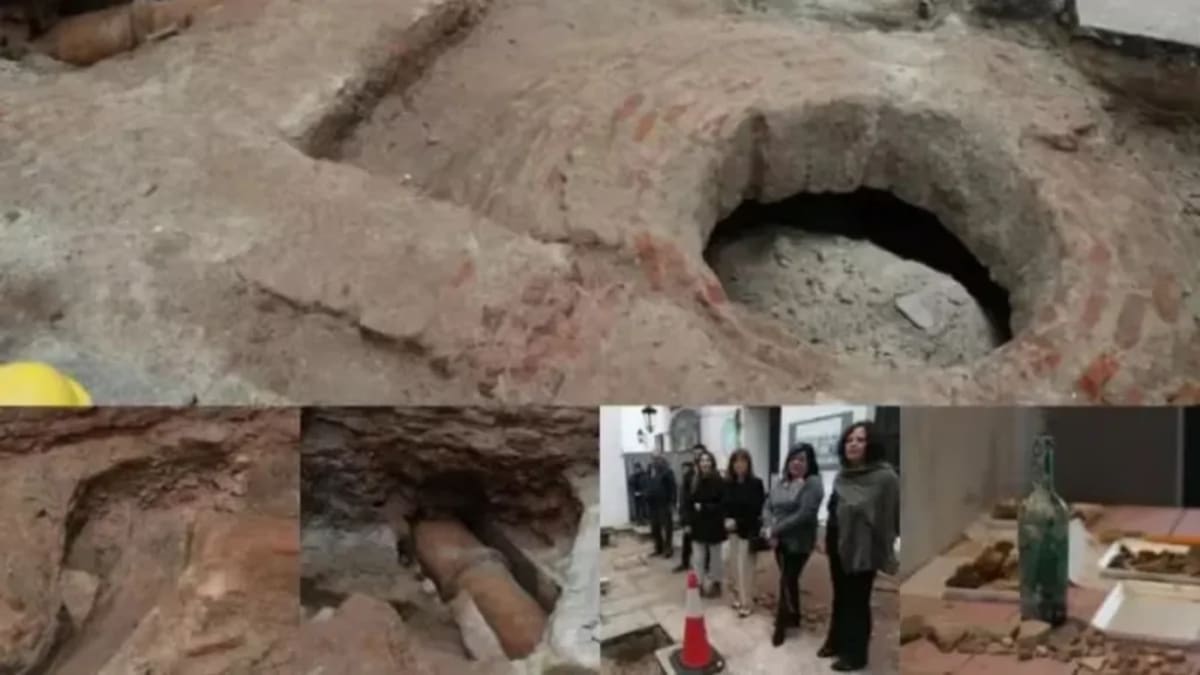
Workers were installing an elevator in Montevideo's Cabildo Museum when they broke through the floor and found something unexpected. Beneath the 18th-century building, archaeologists discovered a remarkably preserved colonial water well that may have saved lives during wartime sieges.
The find is significant because colonial Montevideo had a dangerous problem. Unlike other cities built along major rivers, the fortified capital lacked reliable freshwater sources inside its walls. When enemies surrounded the city and cut off external supplies, residents depended entirely on hidden internal reserves to survive.
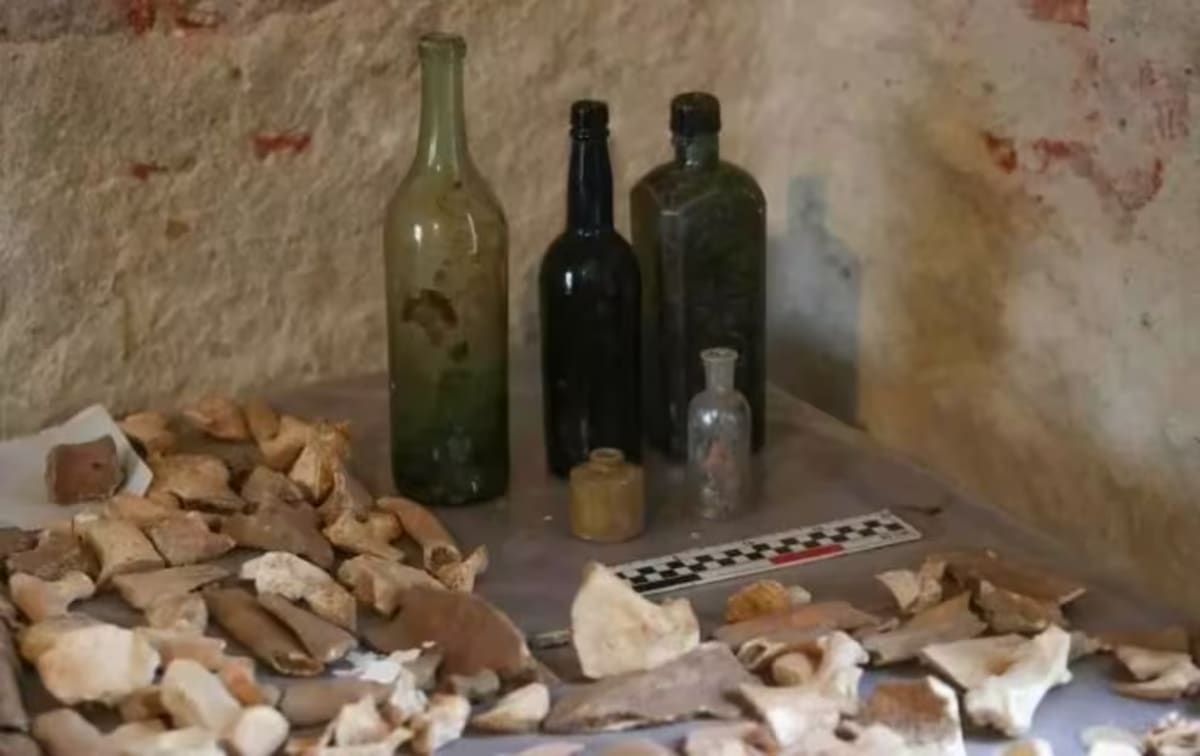
Lead archaeologist Nicol de León says the excavation revealed much more than just the water source. The team found layered construction remains, glass bottles, smoking pipes, bullets from colonial conflicts, and animal bones that show what different social classes ate. Each artifact paints a clearer picture of daily life in a port city shaped by trade, migration, and constant military threats.
The water well itself stands out for its unique design and materials. Its architectural features suggest it played a central role in the city's water distribution system, possibly serving government officials and nearby residents during critical shortages.
Why This Inspires
This discovery proves that answers to historical mysteries can hide right beneath our feet. Historian Ana Ribeiro notes that water scarcity shaped every aspect of Montevideo's early urban planning and defense strategies. Finding physical evidence of these survival systems connects modern residents to the ingenuity of their ancestors who built solutions under extreme pressure.
Historical records describe colonial wells with water so pure that residents believed it had healing properties. One famous well belonged to early settler Luis Mascareñas and gained an almost mythical reputation. Researchers are now investigating whether this newly discovered source could be connected to those legendary accounts.
The find creates a fascinating modern dilemma. The elevator project was designed to make the museum accessible to visitors with mobility challenges. Now cultural director María Inés Obaldía must balance inclusivity goals with preserving irreplaceable historical remains.
The National Heritage Commission will decide the site's future. Options include redesigning the construction, delaying the elevator, or transforming the archaeological remains into a new museum exhibition where visitors can see colonial Montevideo's hidden infrastructure firsthand.
Either way, the discovery reminds us that every renovation project could unlock secrets that change how we understand our past.
More Images
Based on reporting by Google: archaeological discovery
This story was written by BrightWire based on verified news reports.
Spread the positivity!
Share this good news with someone who needs it