Colorado College Saves $15M With Geothermal Energy System
Colorado Mesa University cut its heating and cooling costs in half by tapping underground energy, saving $15 million since 2008. The savings went directly to students through lower tuition and more scholarships.
A Colorado university figured out how to double its campus size without doubling its energy bill, and students are reaping the rewards.
Colorado Mesa University in Grand Junction has saved more than $15 million since 2008 by building one of the nation's largest geothermal heating and cooling networks. The school passed those savings directly to students through lower tuition costs and increased scholarship funding.
The system works by tapping into a simple natural fact. While air temperatures in Grand Junction swing from 90-degree summers to 20-degree winters, the ground 500 feet below stays a steady 60 degrees year round.
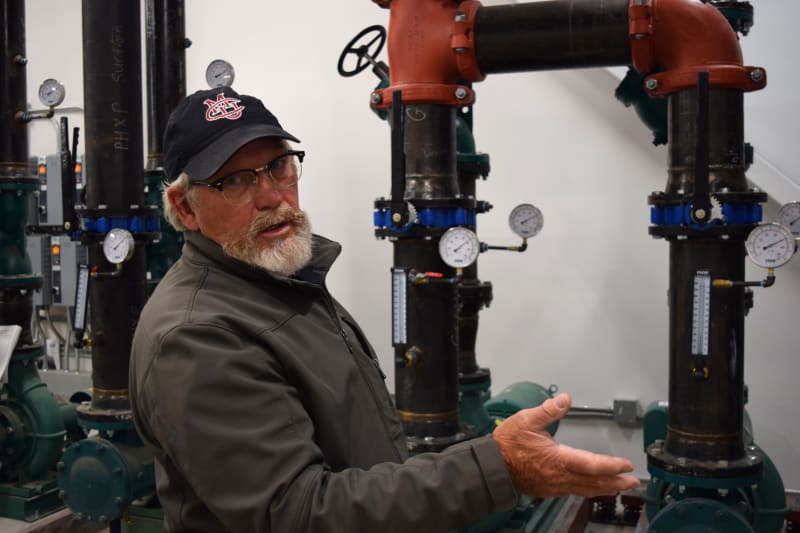
Hundreds of boreholes beneath athletic fields and parking lots circulate water that gets naturally warmed or cooled by surrounding rock. Heat pumps in each building fine-tune the temperature as needed.
The university's energy provider, Xcel Energy, was so confused by the results that an account manager called to ask questions. The campus had doubled in size, but energy usage barely moved.
An independent analysis confirmed what seemed too good to be true. Campus buildings now use about half as much energy for heating and cooling as similar buildings elsewhere.
The breakthrough came from thinking creatively about waste. Engineer Cary Smith noticed the university was planning three new buildings close together: one dorm that needed mostly heating, and two academic buildings packed with students that needed mostly cooling.
Smith, who spent decades in oil and gas before switching to geothermal, saw an elegant solution. Instead of spending energy to heat one building while simultaneously spending more to cool the others, why not move excess heat from the academic buildings to the dorm?
University leaders took a chance on the unproven approach in 2007. Kent Marsh, the school's vice president of operations, remembers the decision: "We're not sure 100 percent, but yeah, it sounds like it works, it's not mad science, let's do it."
The gamble paid off spectacularly. The system has been quietly operating for over 15 years, so efficient that Marsh jokes it's been "the best-kept secret in all of western Colorado."
The Ripple Effect
The success at Colorado Mesa shows communities a proven path away from fossil fuels that doesn't depend on solar panels or wind turbines. Thermal networks like this one can work anywhere the ground maintains stable temperatures, which is nearly everywhere.
As more schools and towns face pressure to cut energy costs and carbon emissions simultaneously, Colorado Mesa proves both goals can work together. The university met state energy efficiency requirements, secured funding for expansion, and created a system that keeps paying dividends year after year.
The technology isn't experimental anymore, and the savings aren't theoretical. They're real money in real students' pockets, funding real educations in western Colorado.
Based on reporting by Google News - Clean Energy
This story was written by BrightWire based on verified news reports.
Spread the positivity!
Share this good news with someone who needs it