Colorado Cuts Maternal Overdose Deaths 60% in One Year
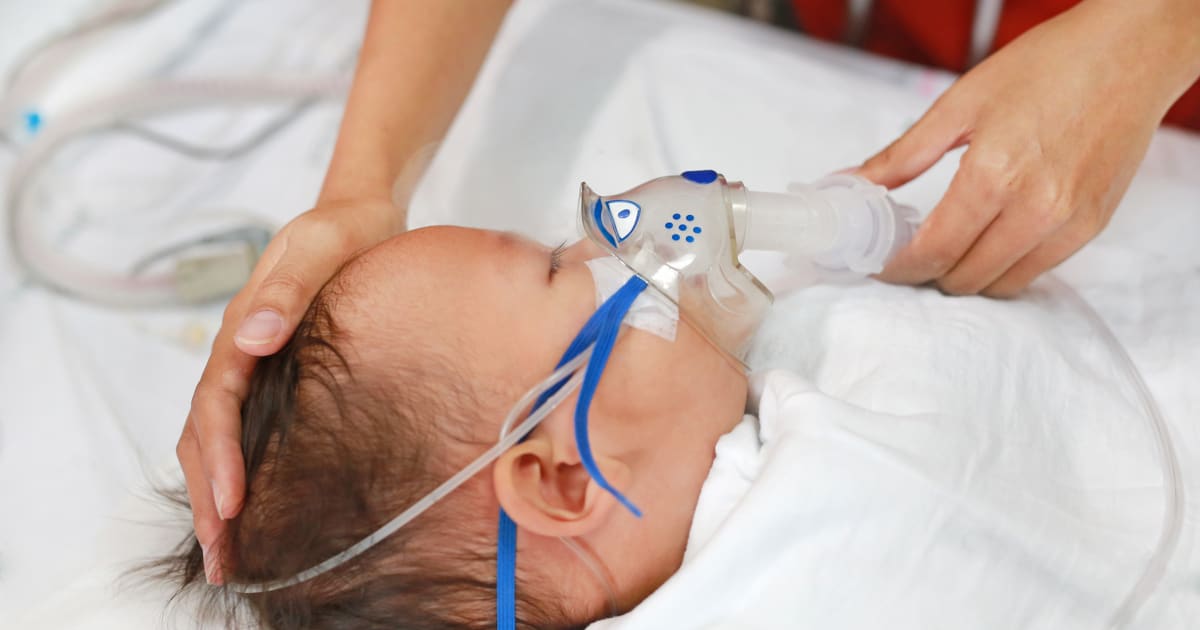
Colorado slashed maternal overdose deaths from 20 to just 8 in a single year, thanks to a simple solution: putting lifesaving naloxone directly into the hands of new moms and families. This success story shows how accessible medicine can bridge the gap between crisis and recovery.
In Colorado, overdose became the leading killer of new and expecting mothers, claiming more lives than bleeding, infection, or high blood pressure combined. But 2023 brought stunning news: maternal overdose deaths dropped 60% in just one year.
The turnaround began when hospitals started doing something remarkably simple. Every family leaving a Colorado birthing hospital now receives naloxone, the over-the-counter medication that reverses opioid overdoses, plus training on how to use it.
Dr. Kaylin Klie, a perinatal addiction medicine physician, reviewed the records of Colorado mothers who died from overdoses as co-chair of the state's Maternal Mortality Review Committee. Nearly all deaths happened outside medical centers, in homes, cars, and public places. In almost every case, naloxone could have saved their lives.
The Naloxone Project launched the Maternal Overdose Matters Initiative in 2023, reaching all 48 birthing hospitals across Colorado. New parents now leave the hospital with naloxone kits and learn how to recognize an overdose, store medications safely, and respond in an emergency.
The program serves everyone, not just families affected by addiction. Prescription opioids given after C-sections and other surgeries can cause accidental overdoses through medication interactions or accidental ingestion by children. In 2024 alone, 17 Colorado children died from opioid overdoses.
Since 2021, The Naloxone Project has distributed over 2,500 naloxone kits to 107 hospitals statewide. The program treats opioid overdose reversal as a critical lifesaving skill, just like CPR. Naloxone training is now standard in Basic Life Support courses across Colorado.
The Ripple Effect
The impact reaches far beyond hospital walls. Families who receive naloxone gain knowledge they can share with neighbors, schools, and workplaces. Many people who survived overdoses through naloxone went on to seek treatment and enter long-term recovery.
Research confirms that directly distributing naloxone to people, families, and communities saves lives. Colorado's dramatic reduction in maternal deaths proves the approach works. The state went from losing 33 pregnant or postpartum women to overdoses between 2016 and 2020 to just 8 deaths in 2023.
Substance use disorder is a treatable chronic medical disease, and people recover every day. But recovery only happens when people survive long enough to get help. Naloxone creates that critical window between crisis and care.
The program expanded beyond Colorado, with chapters now operating in 16 states. What started in emergency rooms grew to include the most vulnerable families at a pivotal moment in their lives.
For Dr. Klie's patients, receiving naloxone during an overdose gave them a second chance at life and a pathway to evidence-based treatments including medication, therapy, and peer support programs designed specifically for pregnant and parenting mothers. Colorado proved that putting lifesaving tools directly into people's hands transforms statistics into stories of survival.
More Images


Based on reporting by Good Good Good
This story was written by BrightWire based on verified news reports.
Spread the positivity!
Share this good news with someone who needs it