Colorado Farm Pairs Solar Panels With Crops for Triple Win
A Colorado farmer turned climate challenges into opportunity by installing solar panels that shade his struggling crops, generate clean energy, and provide steady income. The innovative approach called agrovoltaics could help farmers nationwide adapt to warming temperatures.
When Byron Kominek returned to his family's 24-acre farm outside Longmont, Colorado in 2016, climate change was killing his crops. Warmer summers and less rain meant the grass his family had grown for decades barely reached half its usual height.
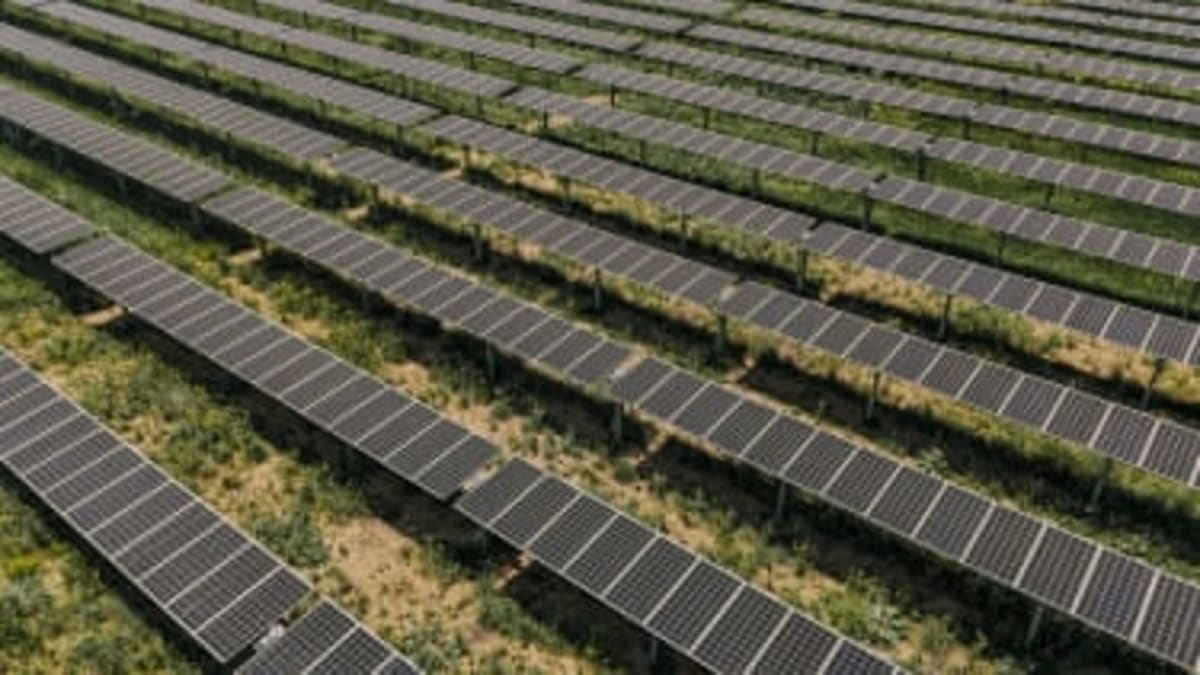
Instead of giving up, Kominek found an ingenious solution that tackles three problems at once. He installed 3,276 solar panels across his farm, creating a system where renewable energy and agriculture work together.
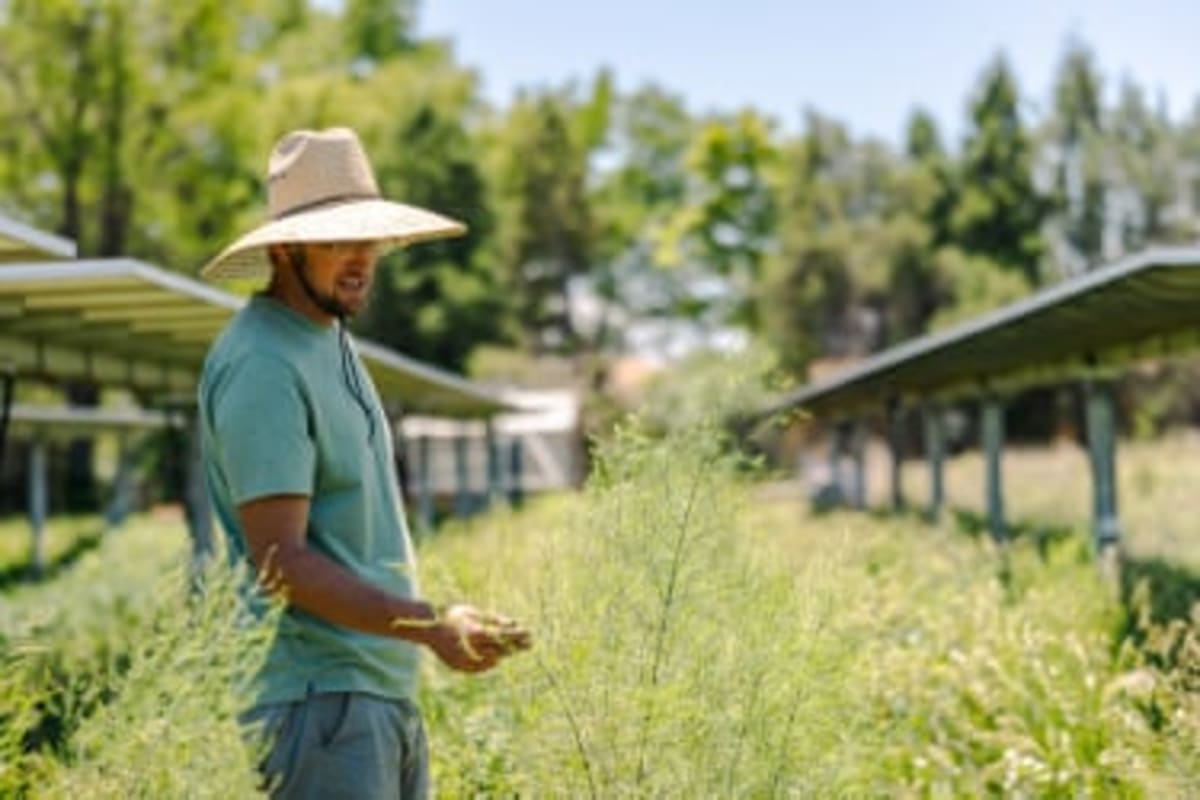
The practice is called agrovoltaics, and it's transforming how farmers think about their land. The panels provide shade that protects plants from scorching heat while generating clean electricity. Meanwhile, the crops and soil beneath keep the panels cooler, making them more efficient at producing power.
The results have been remarkable. Kominek now grows vegetables, raises ducks and chickens, and tends beehives all under the solar array. Ashley Gilbert from the Foothills Flax Project reports that flaxseed has thrived in the panels' shade, protected from Colorado's intense sun.
The panels create microclimates that actually expand what Kominek can grow. Delicate plants like clary sage flourish in spots where they'd normally wilt. This spring, he planted 1,500 berry bushes that will become a pick-your-own operation once they mature.
The berries will stay protected from both blistering summer heat and fall frosts thanks to their solar canopy. Volunteers and researchers work alongside Kominek, testing which crops perform best and sharing findings with other farmers.
The financial impact matters just as much as the environmental benefits. The $2 million solar array generates 2 gigawatt hours annually, which Kominek sells to the local utility. That steady income covers his basic farm costs and lets him experiment with new crops without risking everything.
The Ripple Effect
Kominek sees his farm as a model for struggling farmers across the country. Many family farms barely break even in good years, and climate change is making conditions harder. Agrovoltaics offers a lifeline by diversifying income while helping crops survive hotter, drier conditions.
The main barrier isn't the technology but infrastructure. Rural areas need more transmission lines so farmers can connect solar panels to the grid. With that piece in place, thousands of farms could adopt this approach.
Kominek partners with university researchers who study his operation and spread best practices to other farmers. He's learned to plant and harvest around the metal supports, a small adjustment for major benefits.
The vision extends beyond his own land. As the climate continues warming, farms will need creative solutions to stay productive. Kominek is proving that renewable energy and agriculture don't compete, they complement each other perfectly.
"Our future is going to be more arid," Kominek said. "We can plan, build and design ways that'll make it easier for future generations."
More Images

Based on reporting by Guardian Environment
This story was written by BrightWire based on verified news reports.
Spread the positivity!
Share this good news with someone who needs it