Colorado National Monuments Power $788B Outdoor Economy
A diverse group of ranchers, bankers, hunters, and business owners floated down Colorado's Green River and discovered something remarkable: protecting public lands isn't just good for nature, it's economic rocket fuel. National monuments like Dinosaur attract 315,700 annual visitors to a county of just 13,000 people, proving conservation and prosperity go hand in hand.
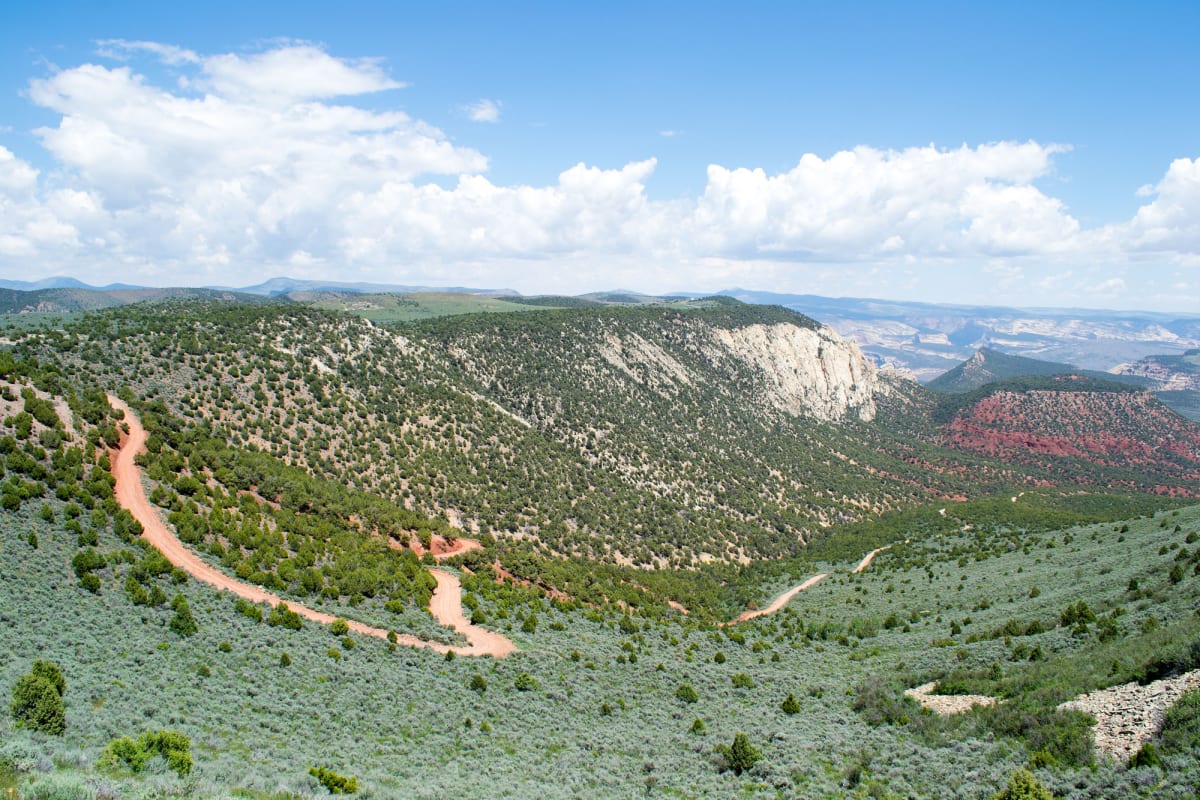
When a local rancher, banking executives, hunters, and small business owners agree on something, you know it matters. This August, an unlikely alliance spent four days rafting through Colorado's stunning Dinosaur National Monument, discovering that protecting public lands creates jobs and hope for rural America.
The numbers tell an incredible story. Moffat County has 13,000 residents but welcomed over 315,700 visitors to Dinosaur National Monument in 2025 alone. That's not just tourism, it's a lifeline for communities across the West.
Nationwide, outdoor recreation generates $788 billion in annual economic output and supports 5.2 million American jobs. In Colorado specifically, outdoor recreation produces $13.9 billion yearly, outpacing mining, utilities, and farming combined.
Tom Kleinschnitz, Moffat County's tourism director, recently shared these figures with Colorado's congressional delegation in Washington. His message resonated because it reflects a truth rural communities are embracing: public lands aren't obstacles to prosperity, they're engines driving it.
A January 2026 report from Headwaters Economics confirms what locals already know. National monuments serve as sustainable economic powerhouses for rural economies while preserving hunting, fishing, and outdoor recreation traditions that define Western heritage.
The collaborative spirit matters too. During their float through Lodore Canyon and Echo Park, participants represented seemingly conflicting interests: extractive industries, conservation, ranching, and recreation. Yet they found common ground in wanting sustainable management that serves everyone.
Western voters increasingly support this balanced approach. Eighty-four percent now consider rollbacks of environmental protections a serious problem, up from 68% just eight years ago according to Colorado College polling.
The Ripple Effect
This isn't just about one monument or one county. When public lands thrive, entire communities flourish. Small businesses near national monuments see steady customers year-round. Local guides, hotels, restaurants, and outfitters build careers around protected landscapes.
The collaborative model pioneered on this river trip shows what's possible when diverse voices get heard. Hunters want healthy wildlife corridors. Ranchers need sustainable grazing. Business owners require economic stability. Conservation protects all these interests simultaneously.
As one participant noted, public lands mean you don't need wealth to hunt elk, cast a fishing line, or camp under stars. These spaces belong to truck drivers, teachers, veterans, and everyone in between. That democratic access to nature represents something uniquely American.
The challenge ahead involves ensuring all stakeholders maintain their seat at the table. When management decisions get made without public input, communities lose both their voice and their economic foundation.
Four days on the Green River proved that protecting public lands and supporting rural economies aren't competing goals, they're the same goal with different names.
Based on reporting by Google News - Economic Growth
This story was written by BrightWire based on verified news reports.
Spread the positivity!
Share this good news with someone who needs it