Colorado Passes First US Law to Recycle EV Batteries
Colorado just became the first state to require automakers to recycle electric vehicle batteries, setting recovery targets that could dramatically cut mining needs. The new law offers a solution to one of the biggest environmental challenges facing the EV revolution.
Colorado just solved a problem that could make electric vehicles even greener than they already are.
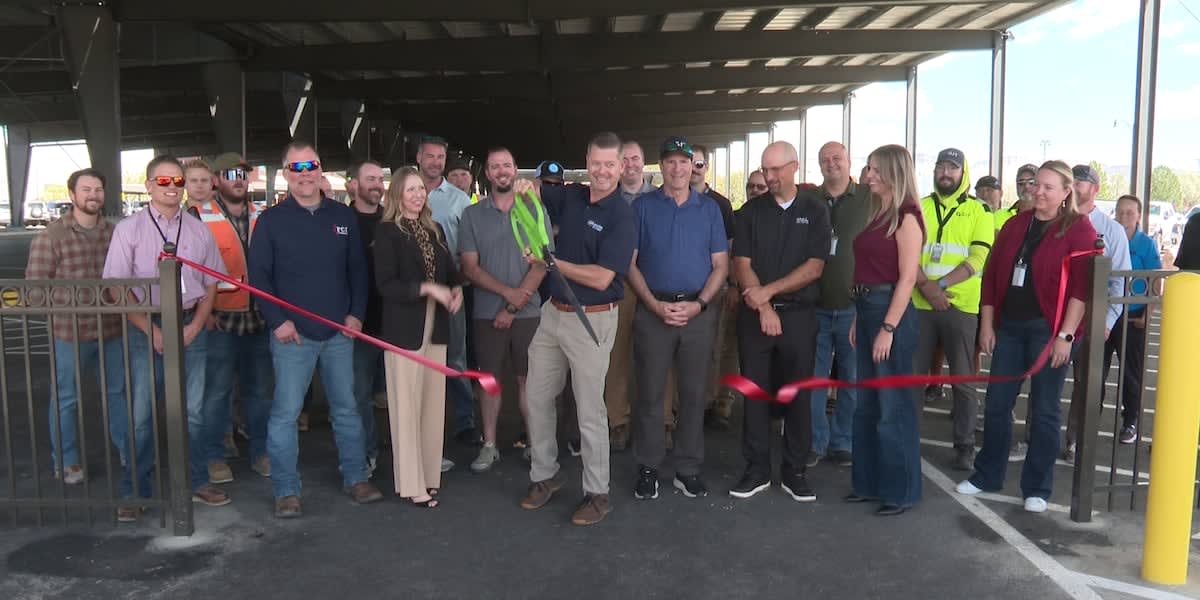
Governor Jared Polis signed the nation's first law requiring automakers to establish a statewide program for recycling EV batteries. The groundbreaking legislation also bans landfills from accepting the devices starting in October 2028.
Here's why this matters. While EVs are cleaner than gas cars, building their batteries requires massive amounts of mined minerals like lithium, cobalt, and nickel. That mining process damages the environment and often relies on poor labor practices.
The new Colorado law sets specific targets that recyclers must hit. By 2031, they'll need to recover 50% of the lithium from each battery. By 2035, that jumps to 80%.
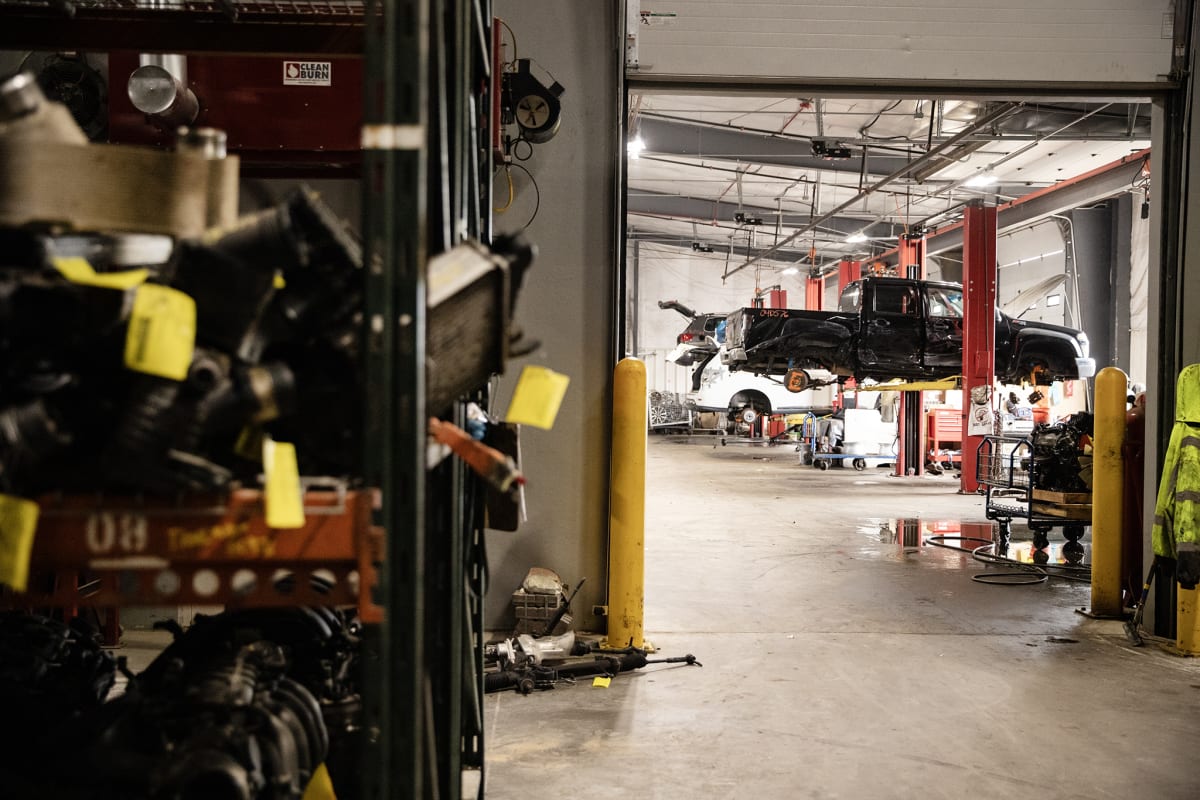
Norman Wright, who owns an 80-year-old auto salvage business in Commerce City, championed the law. His company processes thousands of totaled cars each year, and he worried about becoming an unwanted storage facility for unusable EV batteries. "You have got to do something with these batteries," Wright said.
The law uses something called "extended producer responsibility." Instead of letting batteries pile up in salvage yards, automakers must pay to recover them at the end of their useful life.
The Ripple Effect
This approach could transform the entire EV industry. By 2050, battery recycling could supply 20% to 30% of the lithium, nickel, and cobalt needed for new batteries, according to the International Energy Agency.
Colorado is the perfect testing ground. The state has one of the nation's highest EV adoption rates, with nearly 200,000 plug-in vehicles already on the road.
Environmental groups worked alongside both automakers and auto recyclers to craft the legislation. That rare coalition happened because the law lets companies design their own recycling programs rather than forcing them into a state-run system.
Some batteries won't even need recycling right away. Utilities are already repurposing old EV batteries to store renewable energy on the power grid, giving them a second life before they're eventually broken down for parts.
If Colorado's model works, other states are likely to follow. The blueprint addresses one of the biggest criticisms of electric vehicles while creating new jobs in the recycling industry.
A Tesla Model 3 needs to drive 13,500 to 20,000 miles before it's cleaner than a comparable gas car, mostly because of battery production emissions. Robust recycling could slash that break-even point dramatically.
Wright and other salvage operators won't have to wonder what to do with those heavy battery packs anymore, and the planet gets a cleaner path forward for transportation.
More Images


Based on reporting by Google News - Electric Vehicle
This story was written by BrightWire based on verified news reports.
Spread the positivity!
Share this good news with someone who needs it