Colorado Pharmacy School Graduates 11 Research Scientists
The University of Colorado Anschutz School of Pharmacy celebrated 11 new PhDs and master's graduates who dedicated years to advancing pharmaceutical science. These researchers are now ready to tackle tomorrow's health challenges.
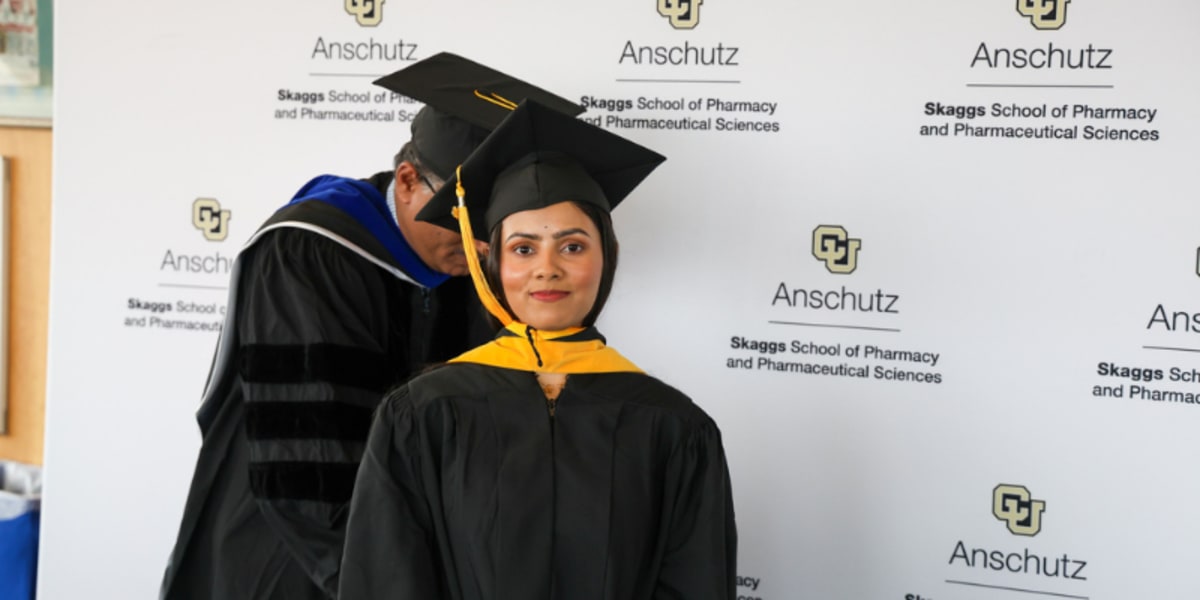
Eleven graduate students at the University of Colorado Anschutz School of Pharmacy just crossed the finish line of one of academia's toughest races. On May 15, they received their doctoral and master's degrees in pharmaceutical sciences, marking years of research, late nights, and scientific breakthroughs.
The ceremony brought together faculty, families, and friends to honor two PhD graduates and nine master's degree recipients. These aren't your typical pharmacy students who work in retail settings. They're researchers who've spent years in labs investigating how drugs work, developing new treatments, and solving complex medical puzzles.
Associate Dean Manisha Patel opened the ceremony by highlighting what sets these graduates apart: resilience, curiosity, and persistence. Dean Brian Tsuji praised their contributions to the university's research community. These qualities matter because pharmaceutical research requires scientists who can handle setbacks, ask tough questions, and keep pushing forward when experiments fail.
Program leaders Krishna Mallela and David Kroll took turns recognizing the hard work each student invested. Graduate school in pharmaceutical sciences typically takes five to seven years for a PhD and two years for a master's degree. During that time, students conduct original research, publish findings, and contribute new knowledge to the field.
The Ripple Effect
The impact of these 11 graduates extends far beyond campus. Pharmaceutical scientists develop the medications we take for everything from headaches to cancer. They figure out proper dosing, identify side effects, and improve drug delivery systems.
Some graduates may join pharmaceutical companies developing new treatments. Others might continue research at universities or government agencies like the FDA. A few could start their own biotech companies. Each path leads to better health outcomes for patients.
The ceremony concluded with a special welcome from Madison Crepeau, who invited graduates into the university's alumni network. Program administrator Isabella Jaramillo, who guided students through course selections and graduation requirements, delivered closing remarks celebrating their achievement.
The 2026 class includes doctors Shilpa George and Alexandra Lucas, plus master's graduates David Angarita, Natalie Carter, Zoe Moss, Akanksha Pawar, Sebastian Santos De Leon, Jenna Schwenk, Peyton Smith, Alec Teel, and Justin Wong. These scientists now join a community working to make medicine safer, more effective, and more accessible for everyone.
Based on reporting by Google News - Student Achievement
This story was written by BrightWire based on verified news reports.
Spread the positivity!
Share this good news with someone who needs it