Colorado Plans Return of Wolverines After 100-Year Absence
Colorado is bringing back wolverines to its mountain ranges after the fierce scavengers vanished a century ago. The state plans to introduce 45 wolverines across three regions, with ski resorts cheering the conservation effort.
After 100 years without wolverines prowling its peaks, Colorado is ready to welcome them home.
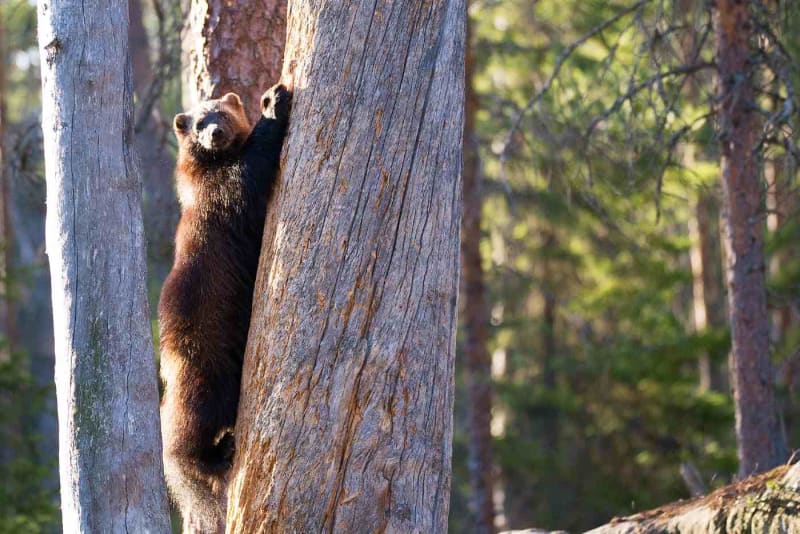
Colorado Parks and Wildlife announced plans to reintroduce wolverines, members of the weasel family that were hunted to extinction in the state over a century ago. Small populations survived in Idaho, Montana, Washington, and Canada, but Colorado's mountains have remained empty of these solitary animals until now.
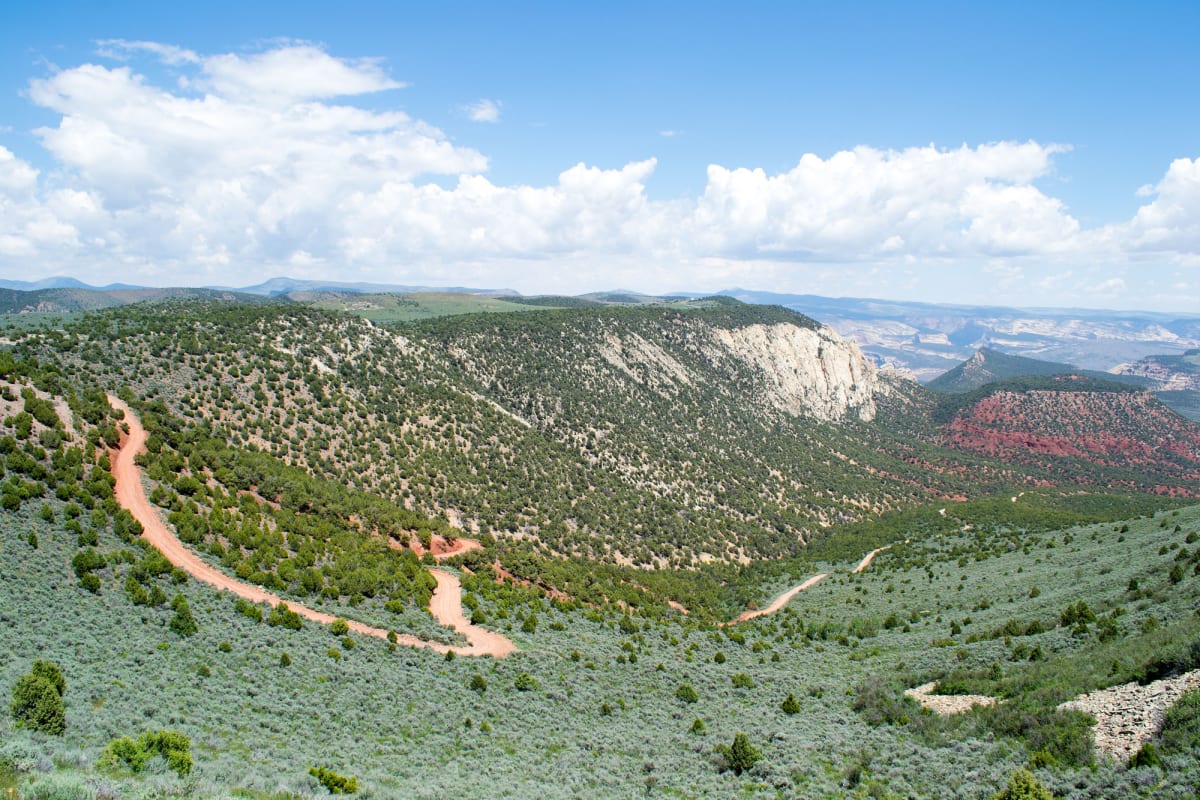
The Colorado Wolverine Restoration Plan will bring approximately 45 wolverines with diverse genetics to three high-elevation locations. The first population will settle north of I-70 near Rocky Mountain National Park, the second in the Elk and West Elk Mountains, and the third in the San Juan Range of southwest Colorado.
"Colorado has great unoccupied wolverine habitat, and we have the opportunity to conserve a species that has been missing from our state," said former Republican Senator Perry Will, who championed the 2024 legislation mandating the plan.
Unlike the controversial wolf reintroduction of 2020, this project faces less opposition. Wolverines weigh just 20 to 35 pounds, hunt alone, and mainly scavenge for food rather than actively hunting livestock. Wildlife officials don't expect them to threaten ranchers' animals.
Dr. Robert Inman, CPW's Wolverine Coordinator, explained that a planned reintroduction gives wolverines a far better chance than hoping two wanderers find each other in the wild. With careful planning, Colorado could eventually support about 100 wolverines across its mountains.
The Ripple Effect
The wolverine's return represents more than just one species coming home. These animals lived in Colorado's ecosystem for thousands of years, and their presence strengthens the web of mountain life. Adult males roam territories up to 500 miles wide, playing crucial roles across vast wilderness areas.
Local ski resorts have thrown their support behind the plan after working closely with CPW on addressing industry concerns. "We support the reintroduction of Wolverine and applaud CPW for its commitment to conservation of this remarkable species," said Melanie Mills, president of Colorado Ski Country USA.
The state previously prioritized lynx reintroduction in 1998, which proved successful. Now wolverines get their turn, with compensation systems in place for any rare cases of livestock loss.
Once established, Colorado's wolverine population would represent about a quarter of all wolverines in the lower 48 states. That might sound small, but wolverines naturally exist at low densities everywhere they live, and a few thousand ever roamed the entire country historically.
The plan now awaits public comment and stakeholder input before moving forward, giving Coloradans a chance to shape how their state brings this charismatic survivor back to the mountains where it belongs.
More Images


Based on reporting by Good News Network
This story was written by BrightWire based on verified news reports.
Spread the positivity!
Share this good news with someone who needs it
%2Ffile%2Fattachments%2Forphans%2Fozz1astreetmuralpromotingrhinoconservationinthetownofHluhluweKwaZuluNatalimagetonycarnie_225511.jpg)