
Colorado Ranchers Use Smart Collars to Feed Cows, Fight Fires
Colorado ranchers are using smartphone-controlled collars that guide cattle to graze in wildfire-prone areas, turning potential tinder into dinner while protecting streams and wildlife. Meanwhile, local beef producers are finding creative ways to reduce waste and emissions across the entire supply chain.
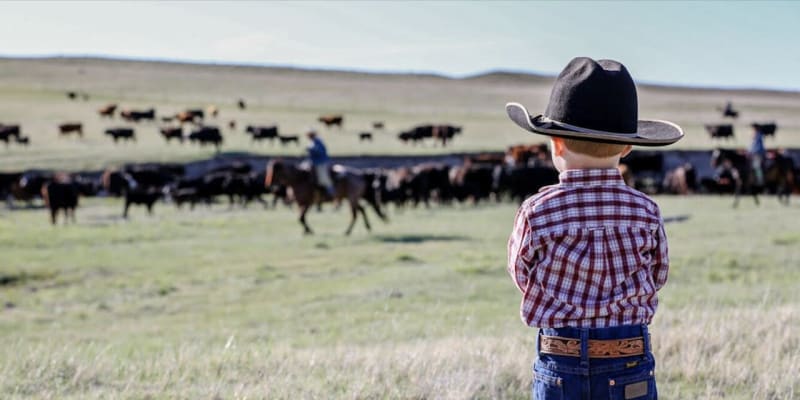
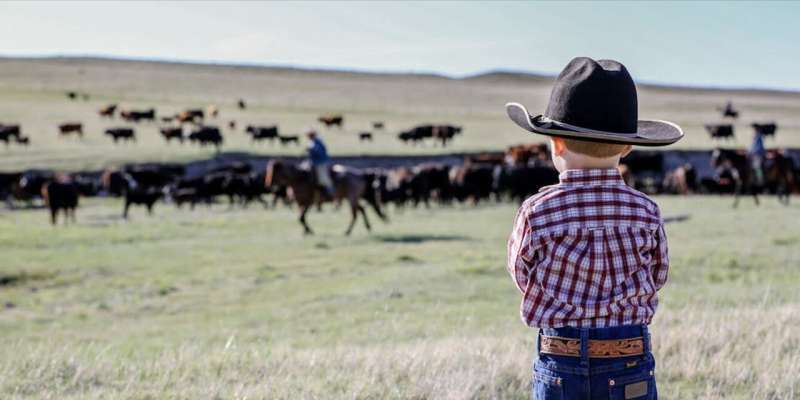
Cowboys driving longhorn cattle through downtown Denver might seem old-fashioned, but Colorado ranchers are embracing cutting-edge technology to make beef production better for the planet.
Researchers at Colorado's beef research centers have developed virtual fencing that lets ranchers use their smartphones to guide cattle. A collar on each cow beeps and buzzes to tell the animal where to go, no physical fences required.
This simple innovation solves multiple problems at once. In Colorado's mountains and high plains, dried grass becomes dangerous wildfire fuel if it's not grazed. The smart collars let ranchers direct cattle to eat that grass in hard-to-reach areas while keeping them away from streams and wildlife habitats.
Physical fences are expensive to maintain and block wildlife movement. Virtual boundaries cost less and stay invisible to elk, deer, and other animals that need to roam freely.
The technology represents just one way Colorado's beef industry is becoming more circular. Cows can digest tough plant material that humans, pigs, and chickens can't eat, making them perfect recyclers. Colorado feedlots feed cattle almond hulls from almond milk production and spent grain left over from brewing beer, keeping this material out of landfills.
These waste products would otherwise rot and release greenhouse gases. Instead, they become high-quality protein that feeds millions of people.
The Ripple Effect
The changes go beyond the ranch. Colorado beef producers selling directly to consumers are finding creative solutions for cuts most Americans won't buy, like organ meats and heart. These nutrient-dense parts are packed with iron, B vitamins, and other micronutrients but often end up in landfills.
Some producers now market these cuts to communities that value organ dishes or turn them into treats for the growing pet food market. Using more of each animal means less waste from the water, land, and feed invested in raising cattle.
During grazing season in dry regions, the smartphone-guided cattle are turning steep, rocky mountainsides too cold for crops into productive land. These areas would be difficult to farm any other way, but cows thrive there while reducing fire risk.
The combination of old ranching wisdom and new technology shows how agriculture can work with nature instead of against it.
More Images


Based on reporting by Phys.org
This story was written by BrightWire based on verified news reports.
Spread the positivity!
Share this good news with someone who needs it


