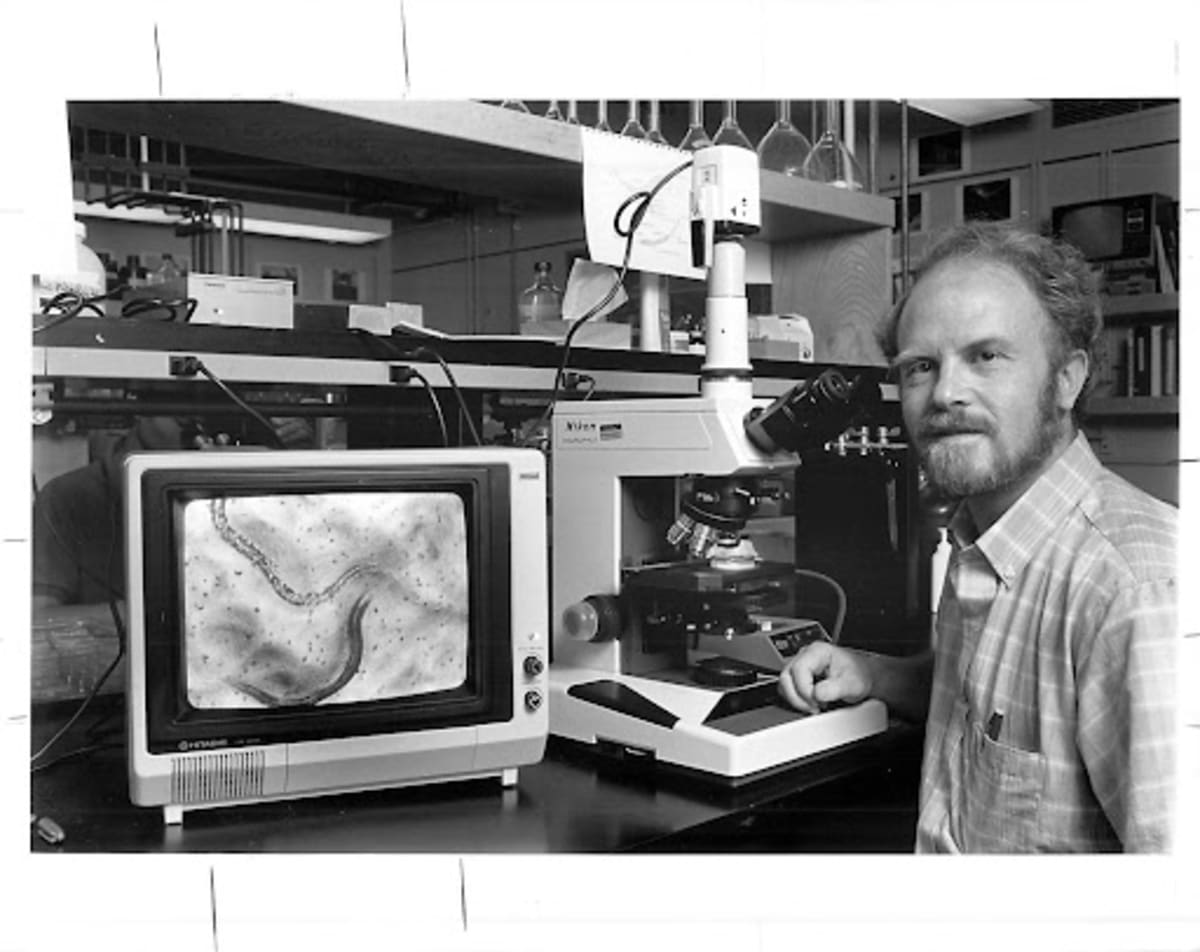
Colorado Scientist Proved Genes Control Aging, Opening New Era
A University of Colorado researcher once dismissed as "crazy" discovered that a single gene could extend life by 50%, launching an entirely new field of aging science. His breakthrough now powers research into Alzheimer's, inflammation, and healthier aging for millions.
When Tom Johnson started studying whether genes could control how long we live, his peers thought he was wasting his career on junk science.
In the 1970s, scientists believed aging just happened randomly, like rust on metal. One mentor even warned a young researcher not to "waste your time" joining Johnson's lab because "nobody believes in that guy."
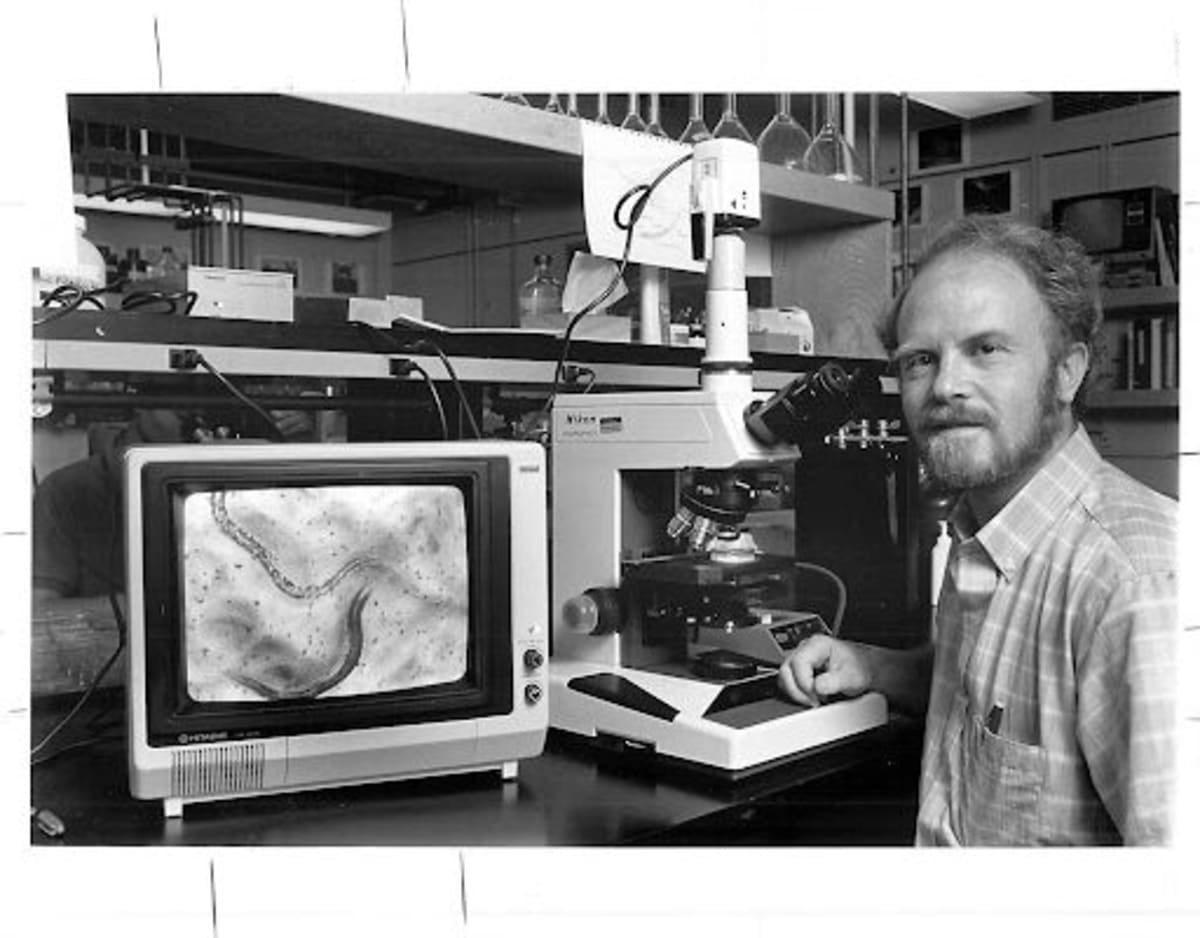
Then Johnson did something nobody thought possible. He manipulated a single gene in tiny roundworms and watched them live 50% longer than normal.
He named the gene age-1, and it changed everything. What started as fringe research became geroscience, an entire field dedicated to understanding why we age.
Simon Melov, who worked with Johnson in the 1990s, called the discovery a "game changer." By the late 90s, researchers were replicating Johnson's work in mice and other organisms, proving the genetic link to aging across species.
The timing couldn't be better. Roundworms share more than 80% of their genes with humans, meaning Johnson's discovery opened a door to understanding our own aging process.
Today, scientists building on Johnson's foundation are making real progress. Melov now researches senescent cells, which drive inflammation and disease in aging bodies, and treatments called senolytics that combat them. Christopher Link at CU uses Johnson's work to tackle Alzheimer's and other age-related brain diseases.
Why This Inspires
Johnson's story reminds us that breakthrough ideas often start as "crazy" until someone proves them right. He persisted when the entire scientific community doubted him, driven purely by curiosity rather than fame or fortune.
His work didn't promise a magic pill for eternal youth. Humans have thousands of genes related to longevity, and lifestyle still matters enormously. "You have no control over your parents, but if you have long-lived parents, then the chances are that you will be long-lived, assuming you don't drink every day and smoke a couple of packs of cigarettes," Melov explained.
Even with short-lived parents, healthy choices like regular exercise and moderation can tip the scales in your favor. Genes aren't destiny, they're just part of the equation.
Johnson, known as "the father of genetic gerontology," passed away this year at 77. He wasn't obsessed with living forever. He just loved science and followed his curiosity wherever it led.
That curiosity launched a field that's now helping millions understand how to age better, healthier, and with more hope than ever before.
More Images


Based on reporting by Google: scientific discovery
This story was written by BrightWire based on verified news reports.
Spread the positivity!
Share this good news with someone who needs it