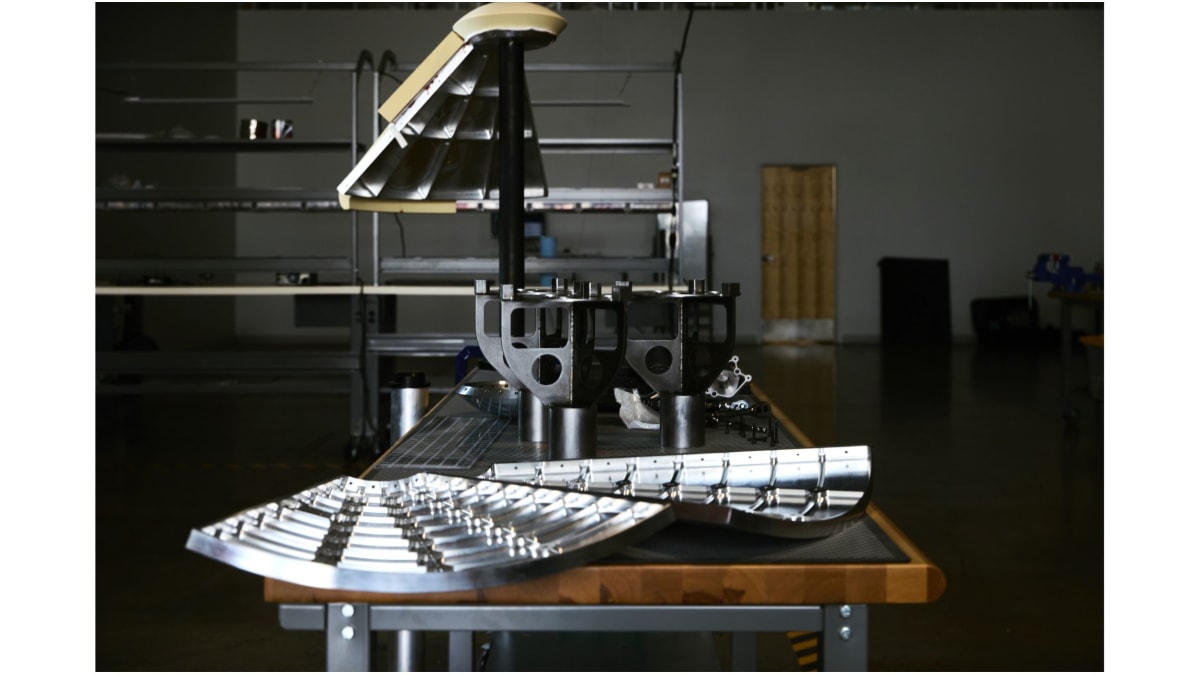
Colorado Startup Raises $10M for Reusable Satellites
A Colorado company just secured $10 million to build satellites that return to Earth and fly again, potentially transforming space operations the same way reusable rockets changed the launch industry. The technology could slash costs and unlock entirely new ways to use space.
Imagine if satellites could land back on Earth, get refreshed, and launch again within days instead of burning up as expensive space junk.
That's exactly what Lux Aeterna is building. The Colorado startup announced today it raised $10 million to accelerate development of fully reusable satellites, marking a major step toward making space operations dramatically cheaper and more flexible.
"The future of the space economy will be built on fleets that return to Earth reliably and relaunch almost instantly," said Brian Taylor, Lux Aeterna's founder and CEO. His team is moving away from the wasteful "launch and burn" model that has defined satellite operations for decades.
Taylor knows the satellite business inside and out. He previously worked on SpaceX's Starlink and Amazon's satellite projects, giving him front-row seats to how reusable rockets transformed the launch market.
Now he's applying the same logic to satellites themselves. The cost savings go far beyond just refurbishing hardware, according to Taylor. Reusable satellites eliminate the supply chain burden of building everything from scratch for every mission.
The flexibility factor matters just as much as the cost savings. Customers can design missions around their actual needs instead of squeezing payloads into satellites meant to last five to seven years in orbit whether that timeline makes sense or not.
The Ripple Effect
This technology opens doors that were previously sealed shut. In-space manufacturing becomes practical when you can bring products back to Earth affordably. Cargo resupply missions get easier. Even hypersonic testing could happen in orbit and return home.
Lux Aeterna isn't alone in this emerging market. Companies like Varda Space and Outpost are working on return capsules and cargo delivery. But Lux Aeterna stands apart by focusing specifically on full satellite reusability rather than specialized capsules.
The startup plans to launch its Delphi prototype in early 2027 on a SpaceX rideshare mission. The 440-pound test satellite will carry payloads for civil, defense, and commercial customers on its maiden flight.
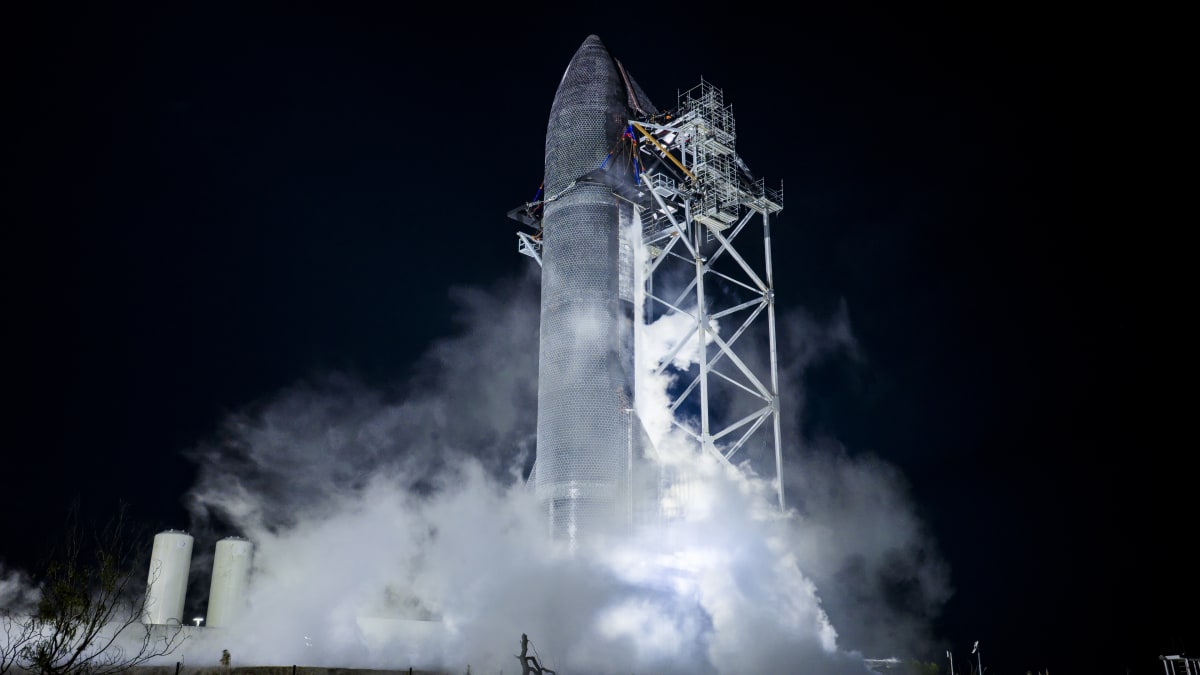
Delphi is just the beginning. Lux Aeterna's production fleet will feature larger platforms designed to fit on current rockets, with even bigger versions sized for SpaceX's Starship megarocket coming later.
The timeline is ambitious but achievable. Taylor expects tens of satellites operating by 2030 and hundreds by 2035, creating what investors are calling "airline fleets" in space.
"Lux Aeterna is the first company building a returnable fleet that truly compresses mission timelines and costs," said Josh Chapman from lead investor Konvoy. The oversubscribed funding round brought the company's total investment to $14 million.
The parallels to reusable rockets are striking, and if satellites follow that trajectory, space is about to get a whole lot more accessible.
More Images



Based on reporting by Space.com
This story was written by BrightWire based on verified news reports.
Spread the positivity!
Share this good news with someone who needs it


%2Ffile%2Fattachments%2F2997%2FGettyImages-2211967510_856600.jpg)