Colorado Team Finds Way to Stop Resistant Lung Cancer
Scientists at the University of Colorado have discovered how to eliminate cancer cells that survive initial treatment, potentially turning lung cancer into a curable disease. The breakthrough combines two therapies to attack cancer at its most vulnerable moment.
Doctors may soon cure a lung cancer that's been impossible to fully eliminate.
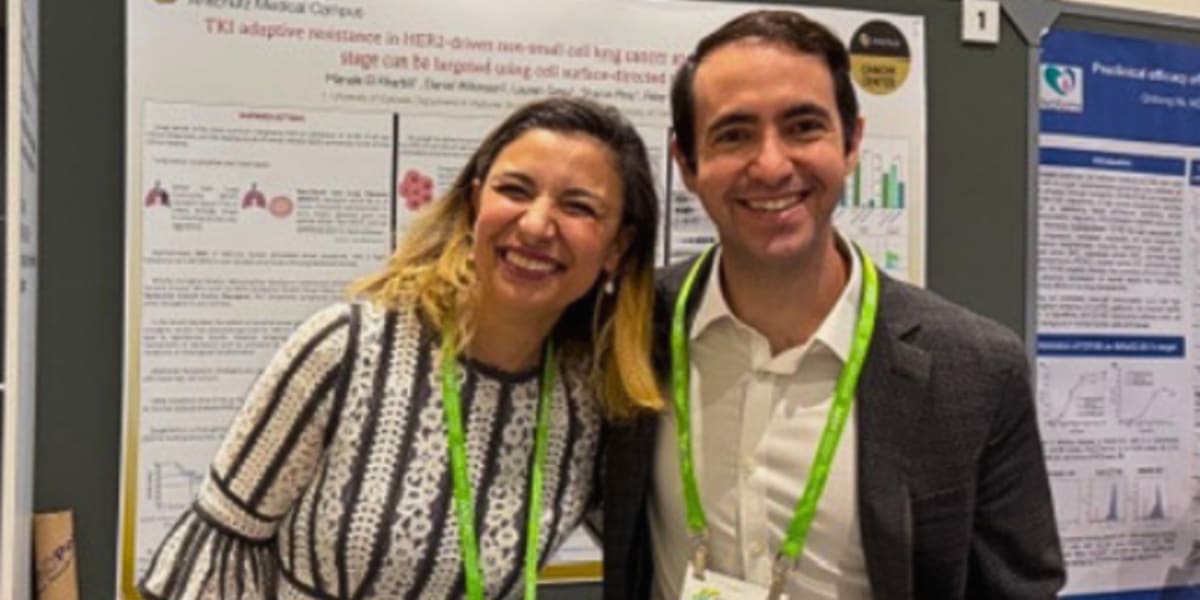
Researchers at the University of Colorado Anschutz Cancer Center have found a promising way to kill the stubborn cancer cells that survive standard treatment. The team, led by Dr. Kyle Concannon, presented their breakthrough at the American Association for Cancer Research's annual meeting this week in San Diego.
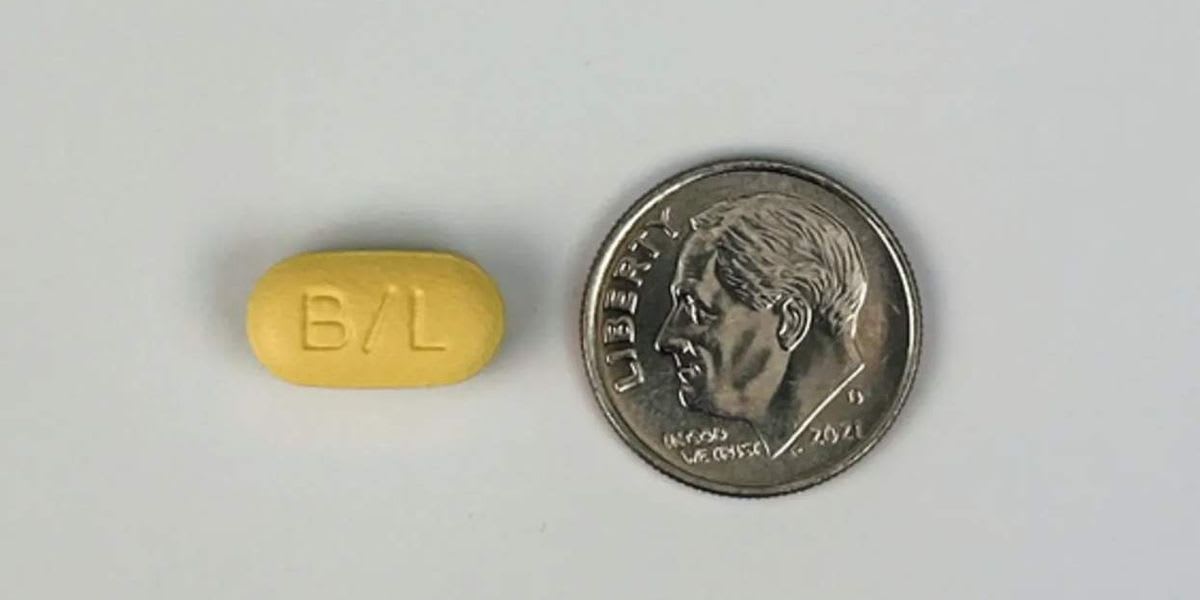
The problem has frustrated doctors for years. Current drugs called tyrosine kinase inhibitors can destroy 98% to 99% of lung cancers driven by the HER2 gene mutation. But a small number of cells always survive by adapting and hiding from the treatment.
Concannon and Assistant Research Professor Manale El Kharbili discovered that these survivor cells change their surface proteins to evade treatment. The team realized they could turn that adaptation into a weakness.
Their solution uses CAR T-cell therapy, a treatment that reprograms a patient's own immune cells to hunt specific targets. The strategy would work like a one-two punch: first, the standard drug wipes out most of the cancer, then the CAR T cells mop up the remaining resistant cells before they can spread.
"This seems like a particularly vulnerable state for the cancer," Concannon explains. "Not only in terms of what the cells are expressing, but also, there are fewer of them left to kill."
The approach has already cured some leukemia and lymphoma patients. Now Concannon wants to bring that same success to lung cancer.
The Ripple Effect
The research fills a critical gap in cancer treatment. Because the surviving cells aren't growing or dividing yet, chemotherapy and standard drugs can't touch them. Patients face an agonizing waiting game, knowing cancer could return at any moment.
The Colorado team is collaborating with neurosurgeon Dr. Peter Fecci's lab, which creates the specialized CAR T cells. Concannon, who joined the university just nine months ago, says the teamwork has been remarkable. "The ability of this institution to work well together, to work nimbly and move quickly, is really unique," he notes.
The researchers hope to move into preclinical testing soon, then work with the FDA to start human trials. They're also sharing their findings with other scientists, hoping more teams will tackle the problem from different angles.
For patients with HER2-positive lung cancer, this research offers something that's been out of reach: the possibility of a true cure instead of just managing the disease.
Based on reporting by Google News - New Treatment
This story was written by BrightWire based on verified news reports.
Spread the positivity!
Share this good news with someone who needs it