Columbia Scientists Find Hidden Cell Protecting Lung Tumors
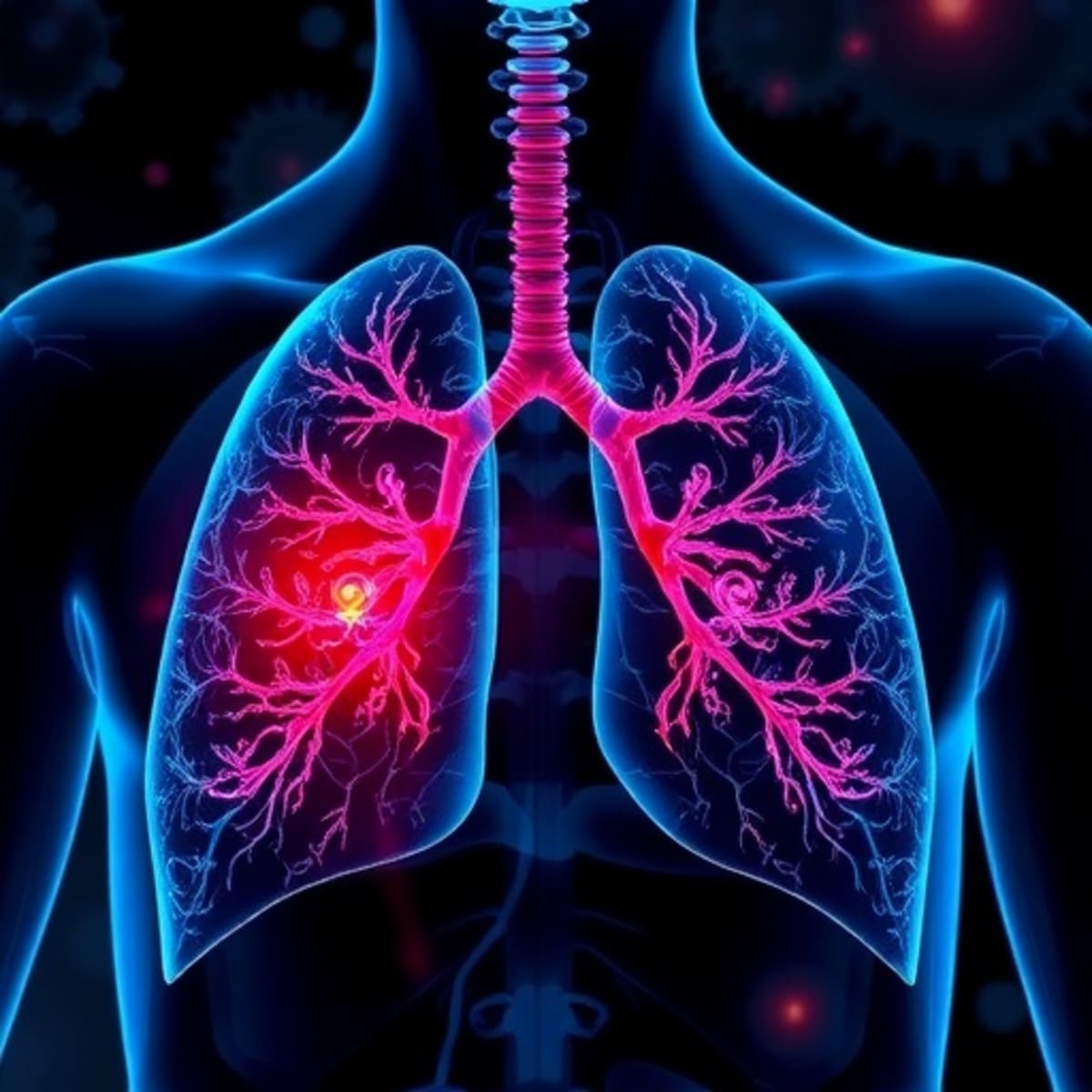
Researchers at Columbia University discovered a previously unknown cell type that shields lung cancer from the immune system, opening doors to new treatments. The finding could help existing immunotherapies work better by removing cancer's protective shield.
Scientists at Columbia University just identified a hidden accomplice helping lung cancer hide from the body's natural defenses.
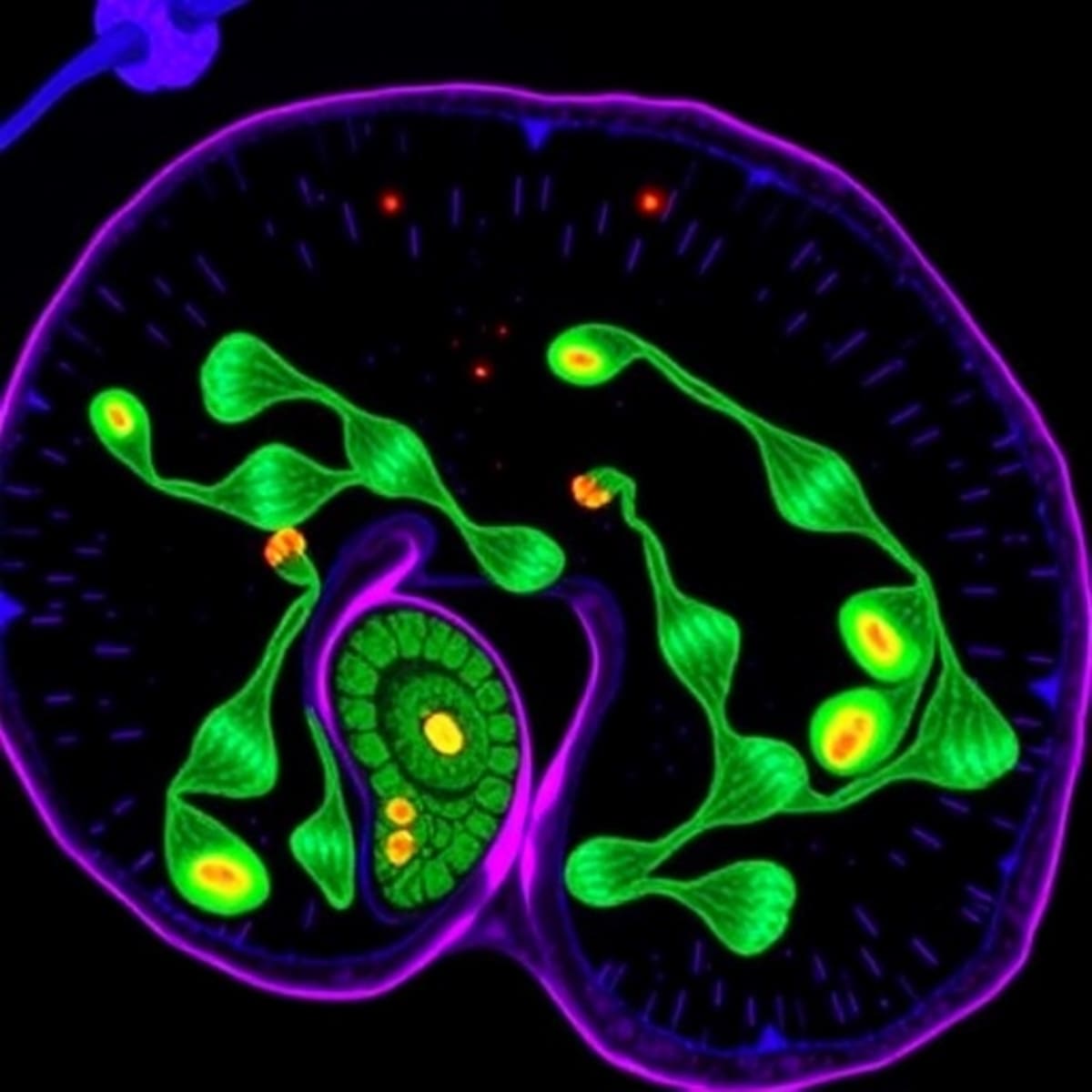
The research team discovered a special type of fibroblast cell that was completely unknown in healthy lung tissue. These cells build an invisible protective zone around tumors, recruiting immune cells that normally prevent inflammation but end up shielding cancer instead.
The discovery answers a puzzle that has frustrated cancer doctors for years. Why do some tumors resist immunotherapy treatments that should work? The answer may lie not in the cancer cells themselves but in the neighborhood they create around them.
Fibroblasts are structural cells that normally help organize and repair tissues. Inside tumors, however, they get reprogrammed into something different. The Columbia team found these reprogrammed cells express a gene called CHL1 that marks them as distinct from any fibroblast type seen in healthy lungs.
These CHL1-positive cells don't just sit passively near tumors. They actively recruit regulatory T cells, known as Tregs, which are the immune system's brakes. Tregs normally protect lungs from overreacting to every particle we breathe, but cancer exploits this protective system to avoid detection.
The fibroblasts use a signaling protein called CXCL9 to guide Tregs to the tumor's edge. That border location matters because it's where the immune system decides whether to attack or tolerate what it finds. By concentrating suppressive immune cells right at that decision point, the cancer stays hidden.
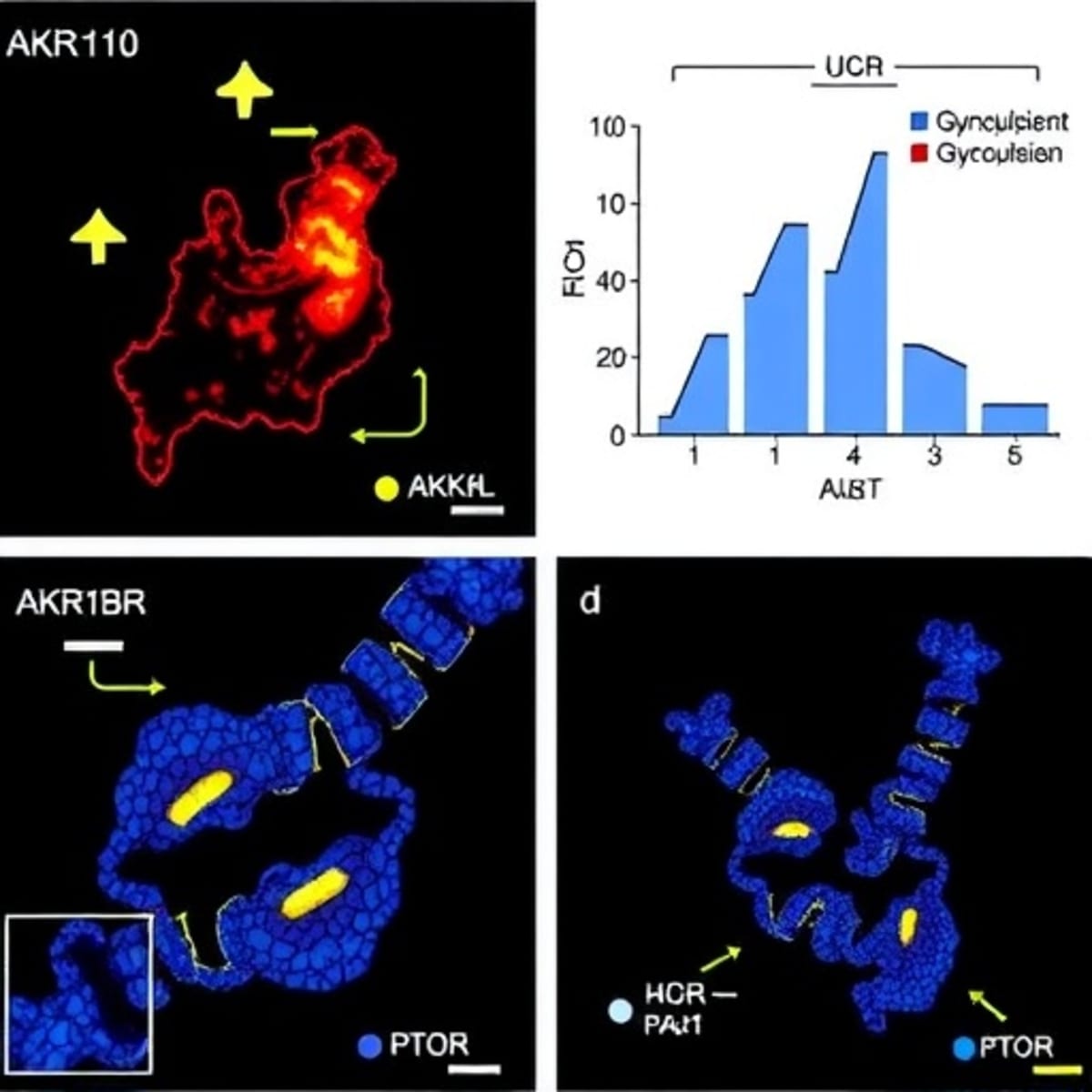
Researchers Olivia Ringham and Nicholas Arpaia led the study, which appeared in Nature Immunology. They used single-cell analysis to examine thousands of individual fibroblasts, revealing molecular differences that would be invisible in traditional tissue samples.
The Bright Side
When the team disrupted this signaling pathway in mice, fewer Tregs accumulated around tumors. With the protective shield weakened, the immune system could better recognize and fight the cancer. Tumor control improved without adding new drugs or treatments.
The finding suggests a new strategy for helping existing immunotherapies work better. Instead of just activating immune cells, doctors might also need to change the environment those cells enter. Blocking the fibroblast pathway could complement current treatments by removing the chemical signals that keep anti-cancer immunity turned off.
The research also explains why studying immune cells alone hasn't solved cancer's resistance to treatment. The surrounding tissue continually instructs immune cells through proteins, signals, and physical structures. Understanding that conversation between structural cells and immune cells opens new therapeutic possibilities.
The work remains in early stages, conducted in mouse models and human tissue samples. Additional research will determine whether blocking this pathway is safe and effective in patients. But the discovery gives scientists a new target and a clearer picture of how tumors create their protective environments.
For the millions living with lung cancer, this hidden cell type might not stay hidden much longer.
More Images
Based on reporting by Google News - Scientists Discover
This story was written by BrightWire based on verified news reports.
Spread the positivity!
Share this good news with someone who needs it