Combat PTSD Treatment Shows 85% Success in Texas Trial
A revolutionary brain stimulation therapy helped 85% of combat veterans dramatically reduce PTSD symptoms when combined with psychotherapy. The breakthrough offers new hope for hundreds of thousands of service members still struggling years after deployment.
Combat veterans with severe PTSD just got a powerful new weapon in their fight for recovery, and the results are nothing short of remarkable.
Researchers at UT Health San Antonio discovered that adding a high-tech brain stimulation treatment to traditional therapy helped 85% of military personnel significantly reduce their PTSD symptoms. The study followed 119 active-duty service members and veterans, with 92% suffering from severe or extremely severe combat-related PTSD.
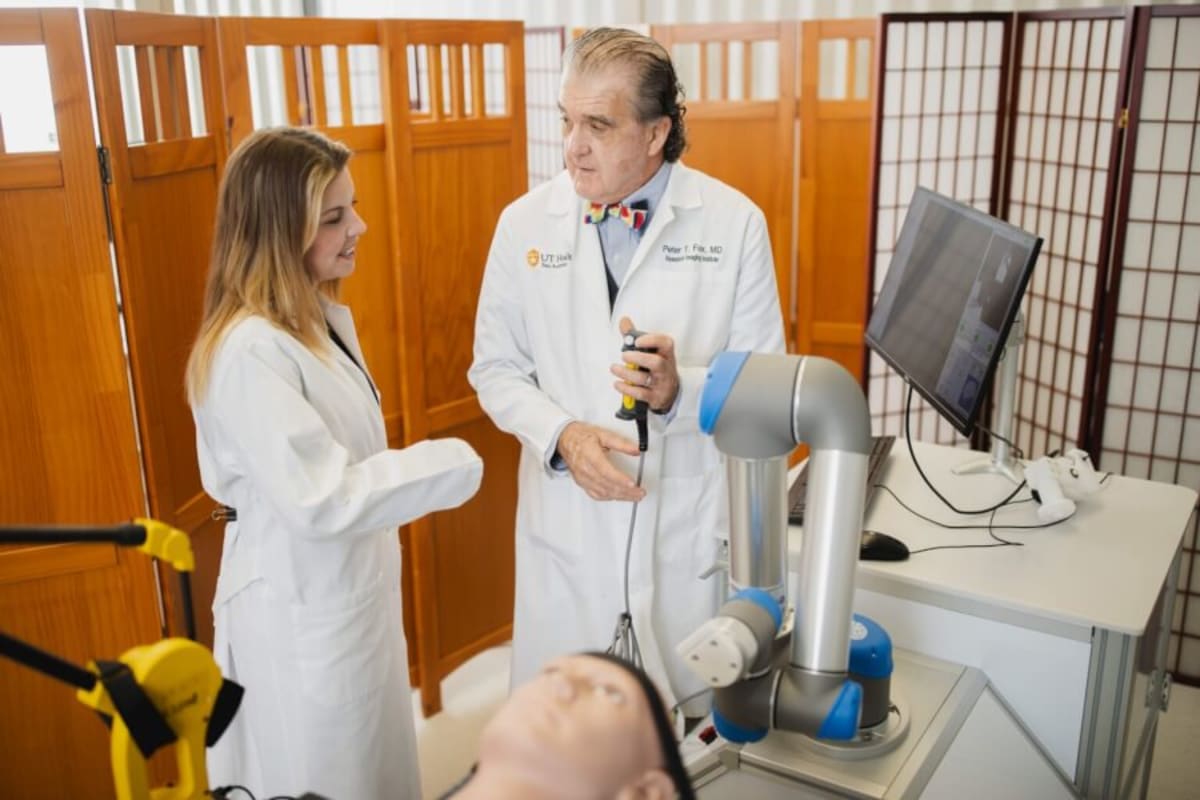
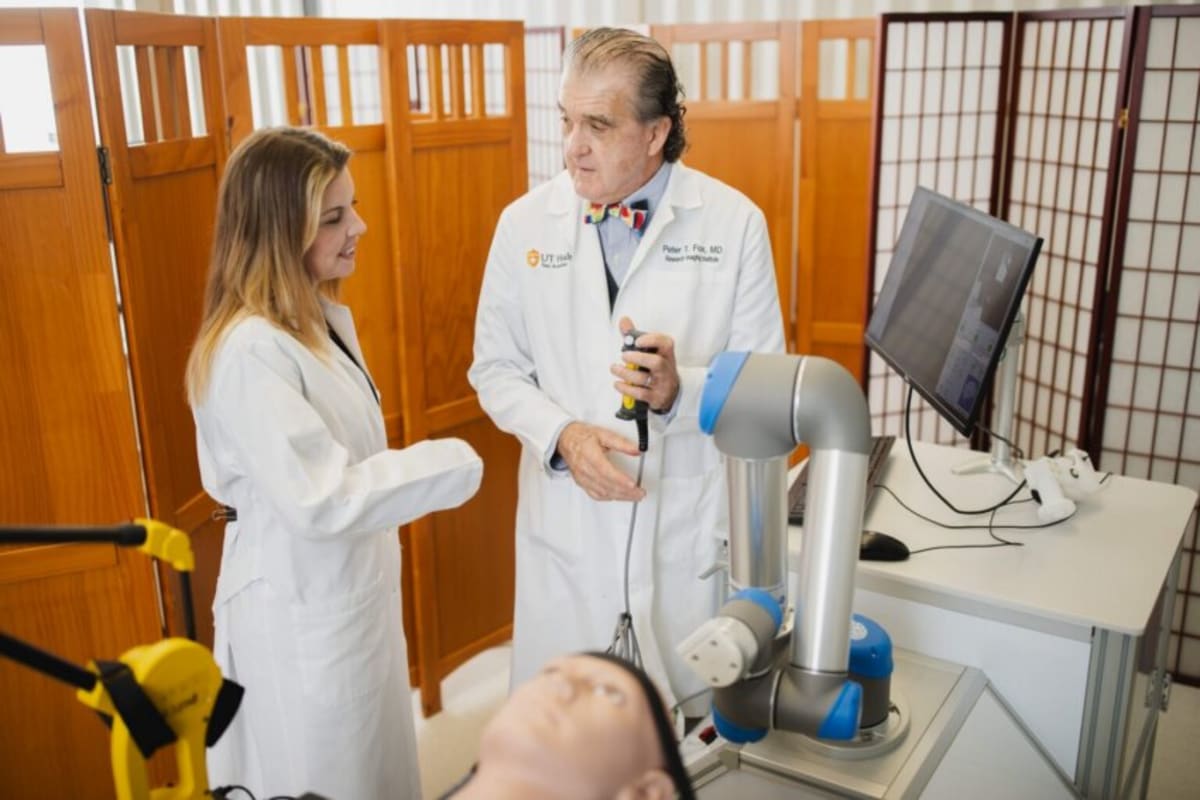
The game-changer is called navigated TMS, a patented treatment that uses MRI imaging and robotic precision to guide magnetic pulses to exact spots in each person's brain. Unlike standard brain stimulation, this personalized approach targets the unique structure of each patient's brain with pinpoint accuracy.
Participants spent 30 days at Laurel Ridge Treatment Center in San Antonio, where half received the navigated TMS alongside prolonged exposure therapy, the gold standard for PTSD treatment. The other half received a fake version of TMS that looked identical but delivered no actual treatment.
The results speak volumes. Those who received real TMS showed dramatic improvement a month after completing the program, with quality of life improvements that stuck around over time. The comparison group receiving therapy alone saw benefits too, but not nearly as significant.
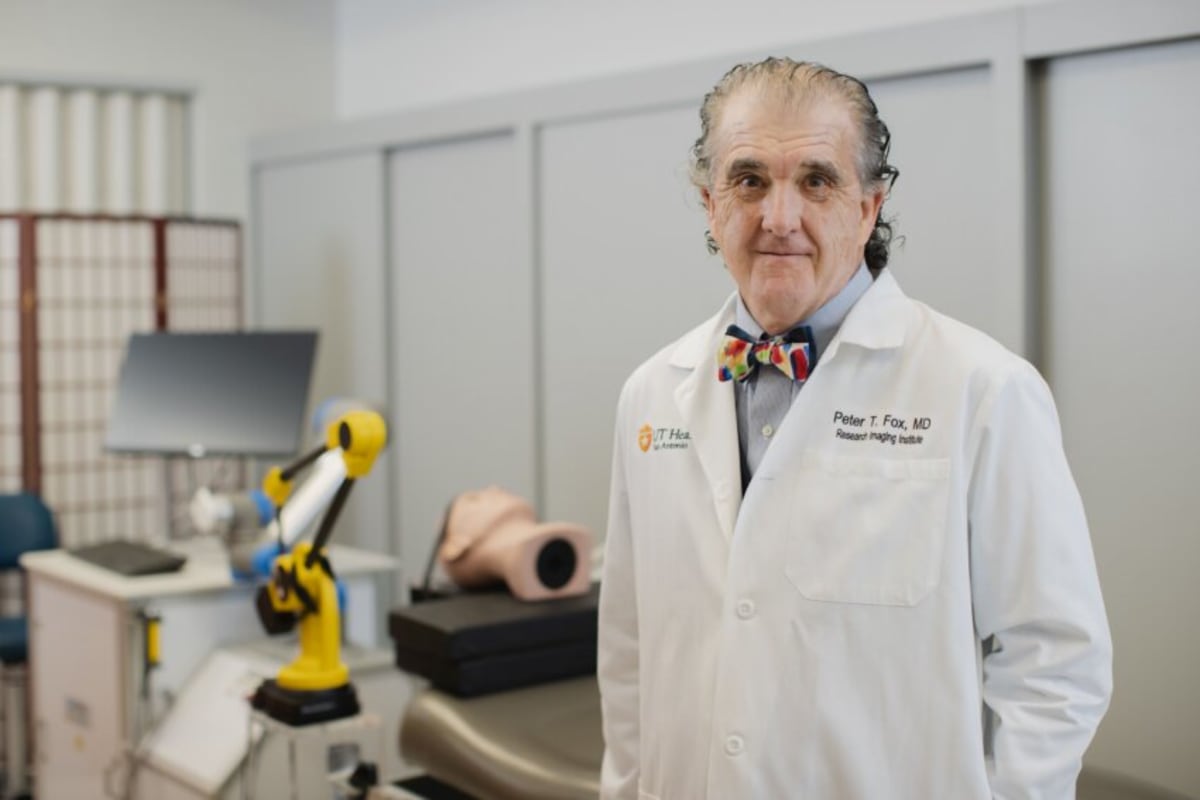
Dr. Peter Fox, who invented the navigated TMS method and led the study, says the findings matter especially in Military City USA and throughout South Texas, where combat veterans make up a significant portion of the population. The research appears in JAMA Network Open, marking the first registered clinical trial using image-guided, robotic TMS delivery for any mental health condition.
The timing couldn't be better. Up to 500,000 U.S. service members who deployed to Iraq and Afghanistan alone struggle with PTSD, a debilitating disorder that affects between 4% and 17% of the nearly 3 million who served. Current medications often fail or cause harmful side effects, and while therapy helps many, combat PTSD proves harder to treat than civilian PTSD.
TMS works by sending gentle magnetic pulses through the scalp that stimulate brain networks involved in mental health, similar to how a defibrillator resets an irregular heartbeat. The treatment is already FDA-approved for depression and OCD, though not yet for PTSD.
The Ripple Effect
This breakthrough extends far beyond individual healing. The ongoing war in Ukraine has spotlighted how combat trauma affects not just soldiers but entire communities, making effective PTSD treatments a global priority.
Dr. Alan Peterson, who directs the Consortium to Alleviate PTSD that funded this work, says the findings give clinicians another valuable tool in their arsenal. For veterans who've tried everything else, this combination approach opens doors that seemed permanently closed.
The study represents over a decade of work by the multi-institutional consortium, jointly funded by the Department of Defense and Department of Veterans Affairs specifically to find better ways to prevent, diagnose, and treat PTSD.
For the hundreds of thousands still waiting for relief, navigated TMS paired with therapy could finally be the answer they've been searching for.
More Images
Based on reporting by Google News - Health Breakthrough
This story was written by BrightWire based on verified news reports.
Spread the positivity!
Share this good news with someone who needs it