Comet McNaught Flares 20,000x Brighter in Surprise Show
A comet that usually passes by unnoticed suddenly burst to life this summer, shining 20,000 times brighter than normal and giving stargazers an unexpected celestial treat. You still have a few weeks to spot it before it fades back into the darkness.
A dim comet just delivered one of summer's most unexpected light shows, and you might still be able to catch it.
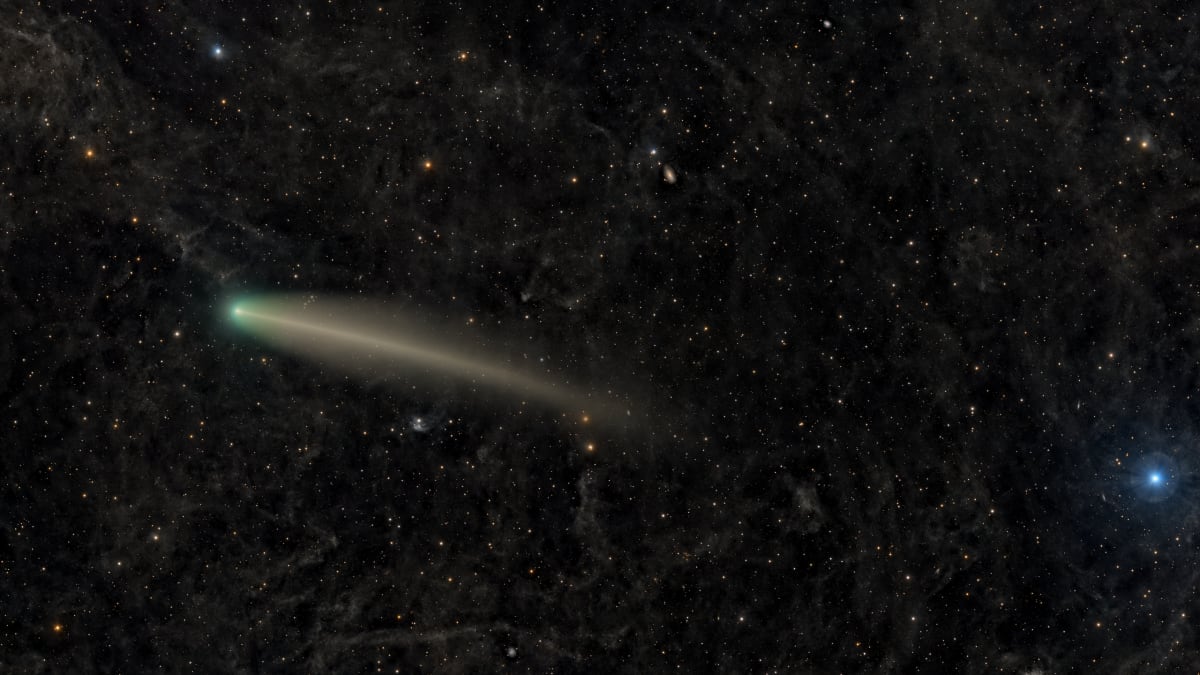
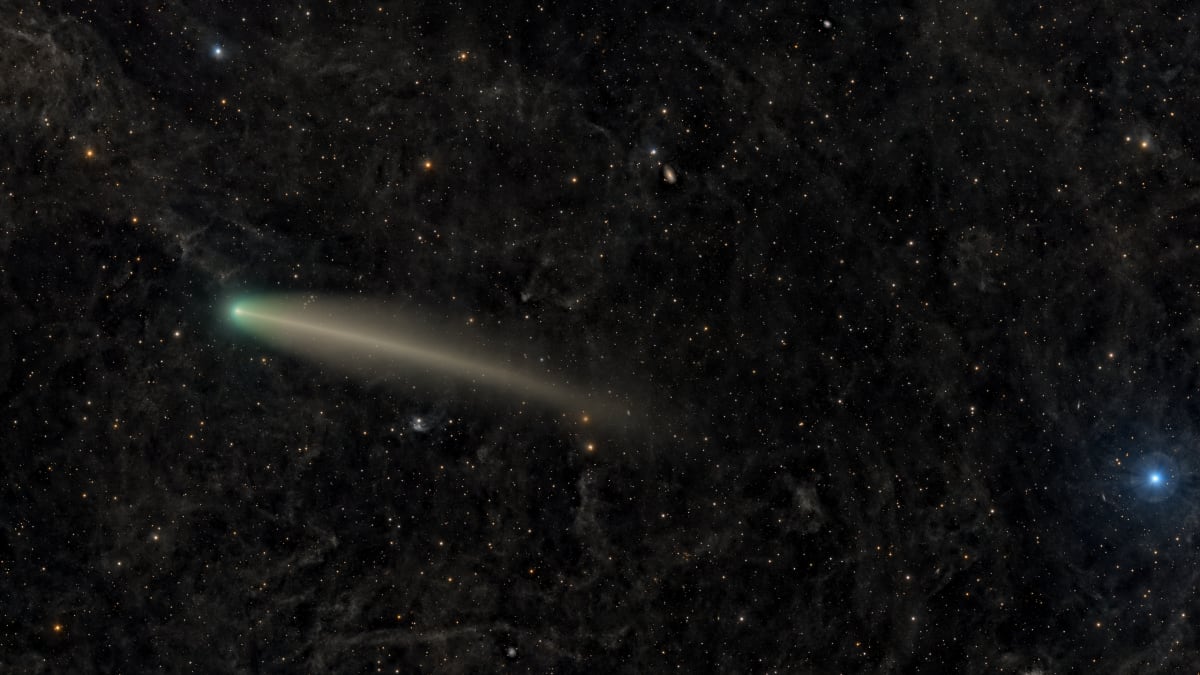
Comet 220P/McNaught, which normally passes through our solar system unnoticed every 5.5 years, suddenly erupted twice this summer with dramatic outbursts that made it shine 20,000 times brighter than usual. The surprise explosions transformed it from an invisible speck into something visible through binoculars and small telescopes.
The excitement started in June when the icy wanderer reached its closest point to the sun. Solar heating caused volatile ices on the comet to instantly turn into gas, releasing clouds of reflective dust that caught the sunlight.
Then came the real show. Two separate outbursts sent the comet's brightness skyrocketing, delighting astrophotographers around the world who rushed to capture the event.
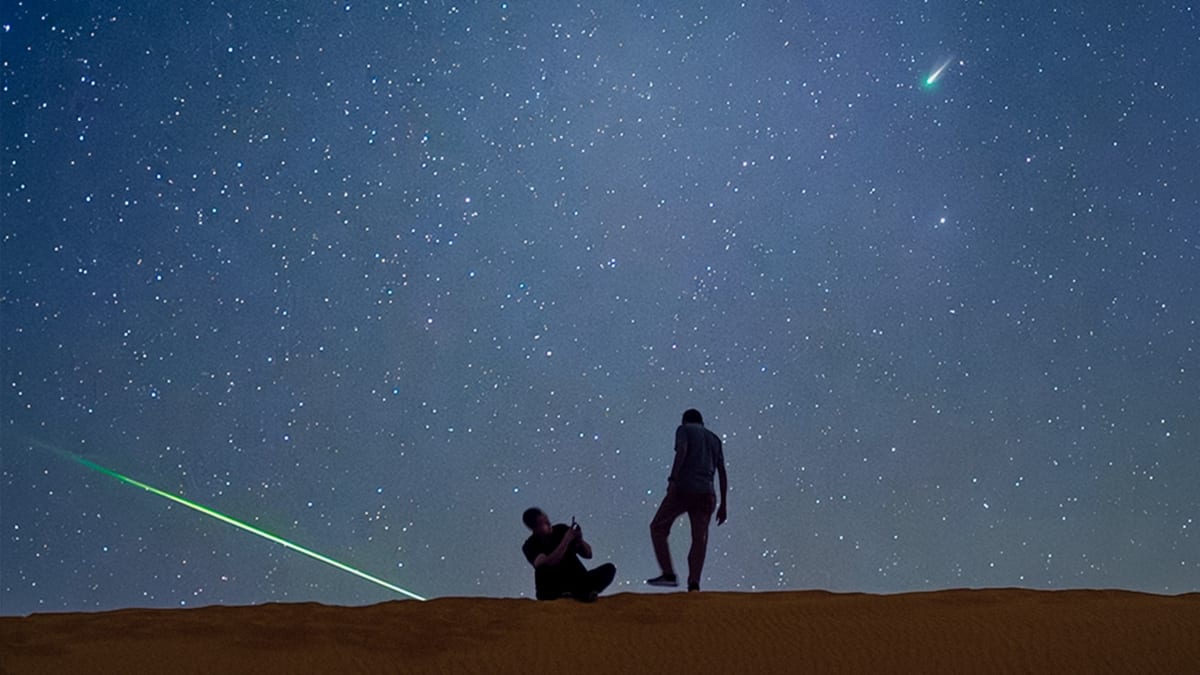
Osama Fathi was photographing the comet in Egypt on August 15 when magic happened. "I spent nearly two hours imaging the comet and the real surprise came when a meteor crossed very close to it in one frame," he told Space.com. The result was a stunning photo showing both the glowing comet and a lone Perseid meteor streaking past.
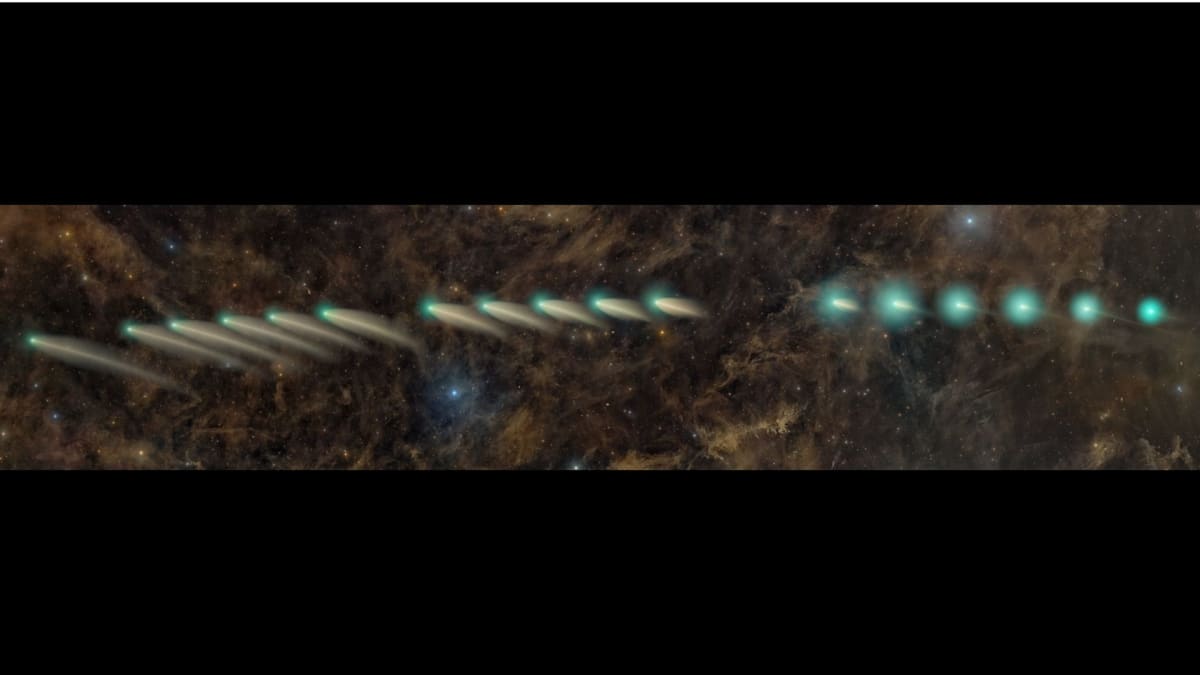
Meanwhile in California, Dan Bartlett created a breathtaking mosaic tracking the comet's journey through the night sky from August 6 to 26. His images captured how the comet's tail and glowing halo transformed after its August 5 outburst.
Why This Inspires
Comet McNaught reminds us that the universe still holds surprises. Scientists can predict when a comet will pass by, but these dramatic outbursts remain wonderfully unpredictable. Every clear night offers a chance to witness something nobody expected.
The comet currently sits at magnitude 9.2, making it challenging but possible to spot with binoculars under dark skies. Small telescopes will show it as a faint, fuzzy patch drifting past the background stars.
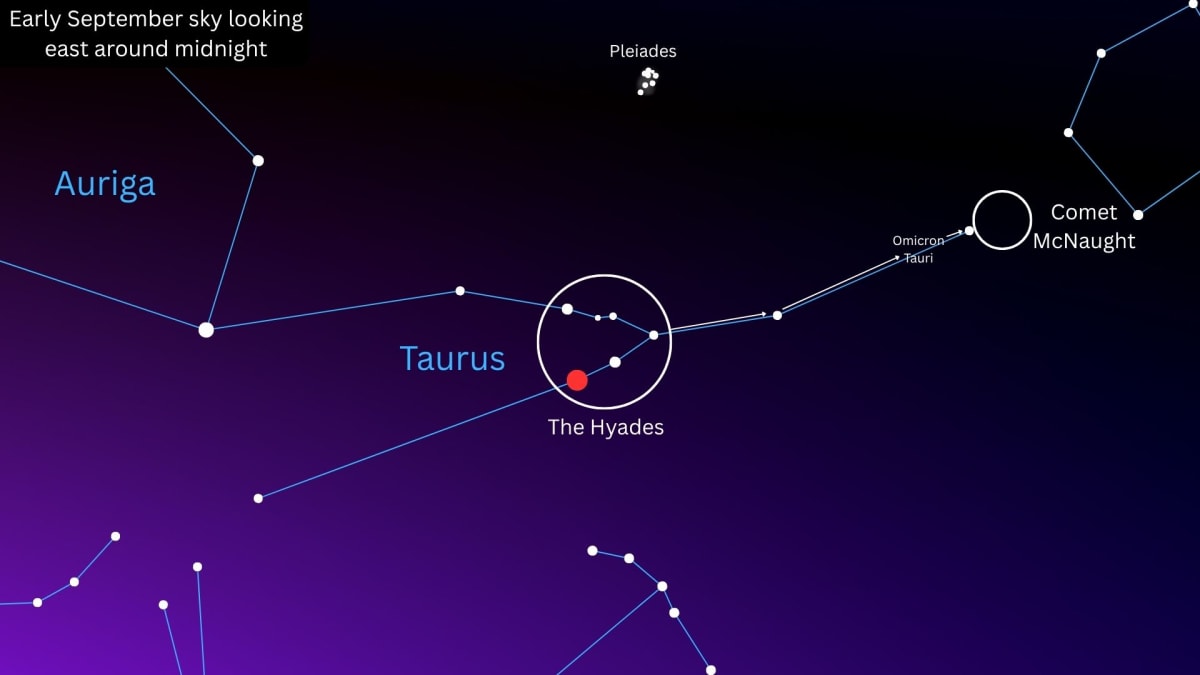
To find it, look east around midnight toward the constellation Taurus. Find the V-shaped Hyades star cluster and look near the star Omicron Tauri. Your best viewing window comes during the new moon on September 10-11, when darker skies will make the comet easier to see.
The comet will continue dimming as it travels farther from the sun, though astronomers can't rule out another surprise outburst in the coming weeks.
Whether you catch it through a telescope or just enjoy the photos others have shared, Comet McNaught proves that wonder still waits overhead.
More Images
Based on reporting by Space.com
This story was written by BrightWire based on verified news reports.
Spread the positivity!
Share this good news with someone who needs it