Common Drug Cuts Opioid Relapse Cravings in Half
Iowa researchers discovered that acetazolamide, a cheap medication already used for glaucoma and altitude sickness, could help people fighting opioid addiction stay clean by blocking the brain's craving cycle. The breakthrough targets a problem current treatments can't solve: the growing desire to use again after getting sober.
A medication sitting in medicine cabinets across America might hold the key to helping millions escape opioid addiction for good.
Researchers at the University of Iowa's Carver College of Medicine discovered that acetazolamide, commonly sold as Diamox, reduced drug-seeking behavior by 50% in laboratory studies. The drug works differently than current addiction medications by targeting the brain's craving mechanism itself.
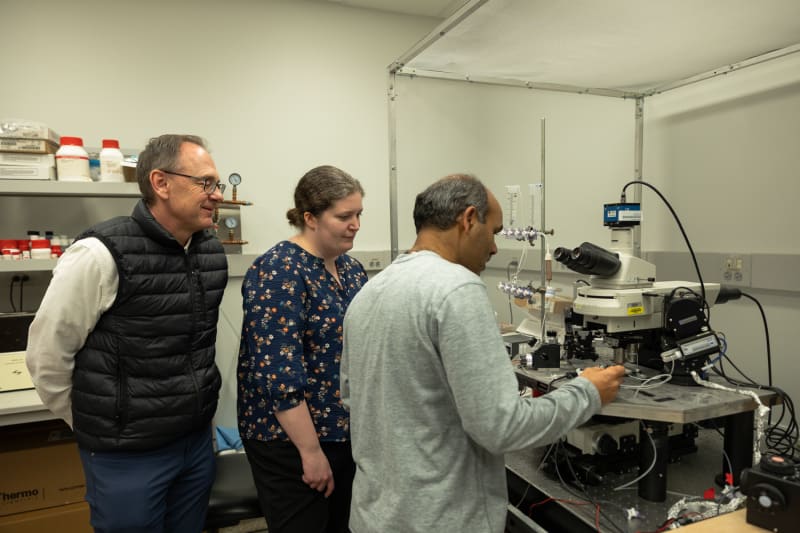
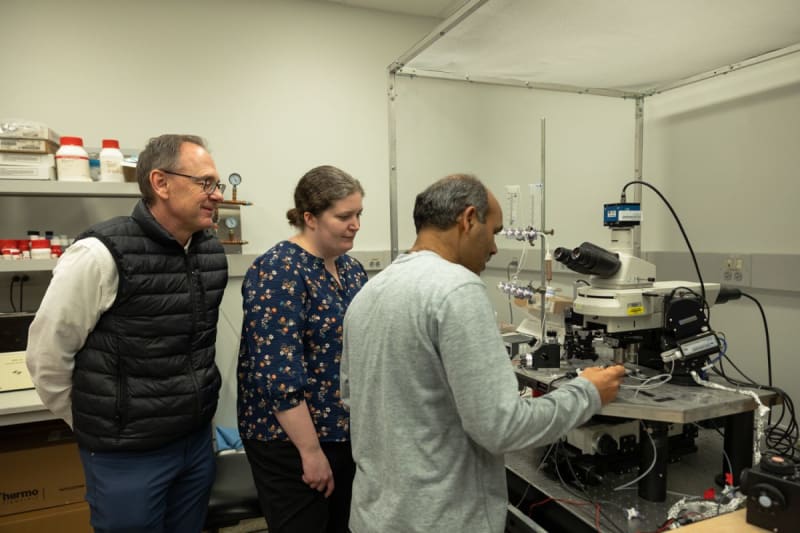
Dr. John Wemmie, the psychiatrist leading the research, explained that existing treatments like methadone and buprenorphine replace the feeling opioids give, while naltrexone blocks those feelings entirely. Neither approach stops what scientists call "incubation craving," where the desire to use drugs actually grows stronger the longer someone stays clean.
"There's something about having the drug and then not having it, and the desire to have it again grows," Wemmie said. "That's what we don't have a treatment for."
The team's breakthrough came after discovering in 2023 that an enzyme called carbonic anhydrase plays a crucial role in addiction cycles. Acetazolamide blocks this enzyme, potentially breaking the pattern that pulls people back to drug use.
In their study, mice were allowed to self-administer oxycodone for 10 days by pressing a lever. After a month without the drug, mice who received acetazolamide pressed the lever half as many times as those who didn't get the medication. The self-administration method mirrors how humans seek drugs, making the results more meaningful.
Postdoctoral scholar Subhash Gupta found another encouraging sign. Brain scans showed acetazolamide didn't weaken connections between neurons, suggesting it won't interfere with learning and memory. The drug only dampens the specific pathways linking past drug use to pleasure.
The timing matters urgently. Johnson County, Iowa alone saw 17 opioid overdose deaths in 2024, seven more than the previous year.
The Ripple Effect
The discovery could extend far beyond opioids. Wemmie's team found similar results testing cocaine, suggesting the treatment might work for multiple types of addiction. Since acetazolamide is already approved for human use at similar doses, the path to clinical trials could move faster than with completely new medications.
Rebecca Taugher, a postdoctoral fellow on the team, emphasized they're still in early stages. Human trials need to happen before anyone knows the real clinical impact. But for families watching loved ones cycle through recovery and relapse, these results offer something that's been missing: hope that the craving itself might finally have a treatment.
The research represents a shift from managing addiction symptoms to potentially interrupting the brain changes that make staying clean so difficult.
More Images
Based on reporting by Google News - Researchers Find
This story was written by BrightWire based on verified news reports.
Spread the positivity!
Share this good news with someone who needs it