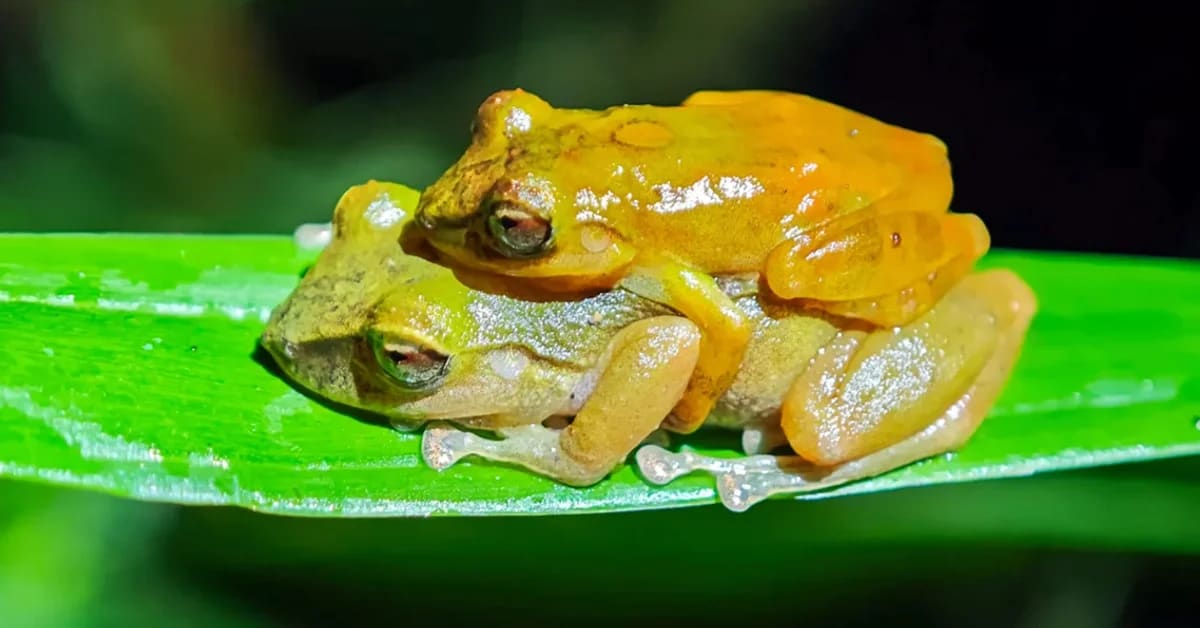
Common Frog Hid in Plain Sight for Over 100 Years
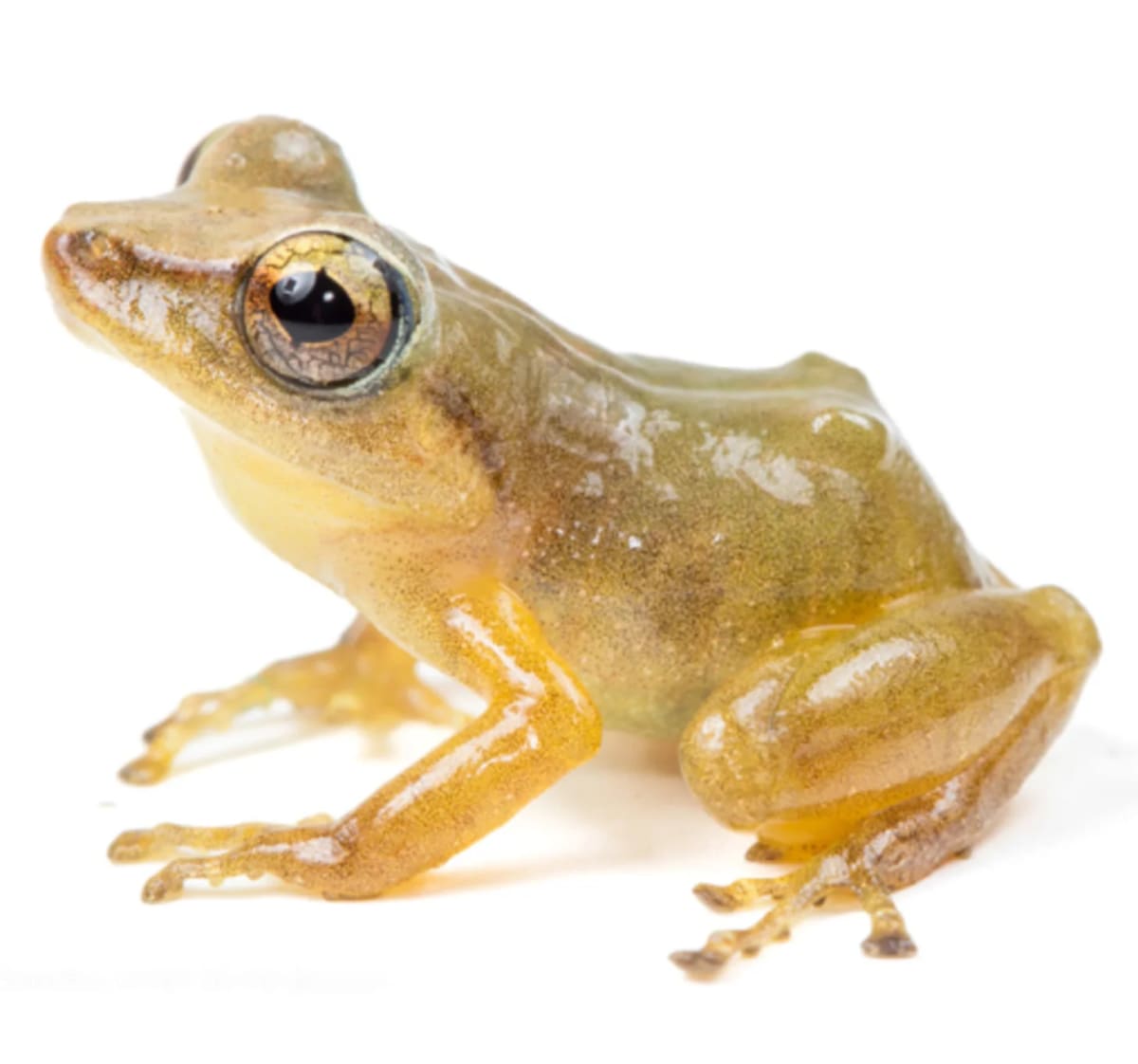
A frog species spread across 16 million acres of South American forest went unnoticed for more than a century because scientists kept mistaking it for another species. The loud, smoke detector-sounding Milpe robber frog was finally identified by researchers in Ecuador who discovered the widespread amphibian had been living under the wrong name all along.
Imagine a frog so common it lives across 16 million acres and so loud its mating call sounds like a chirping smoke detector. Now imagine scientists somehow missed identifying it as its own species for over 100 years.
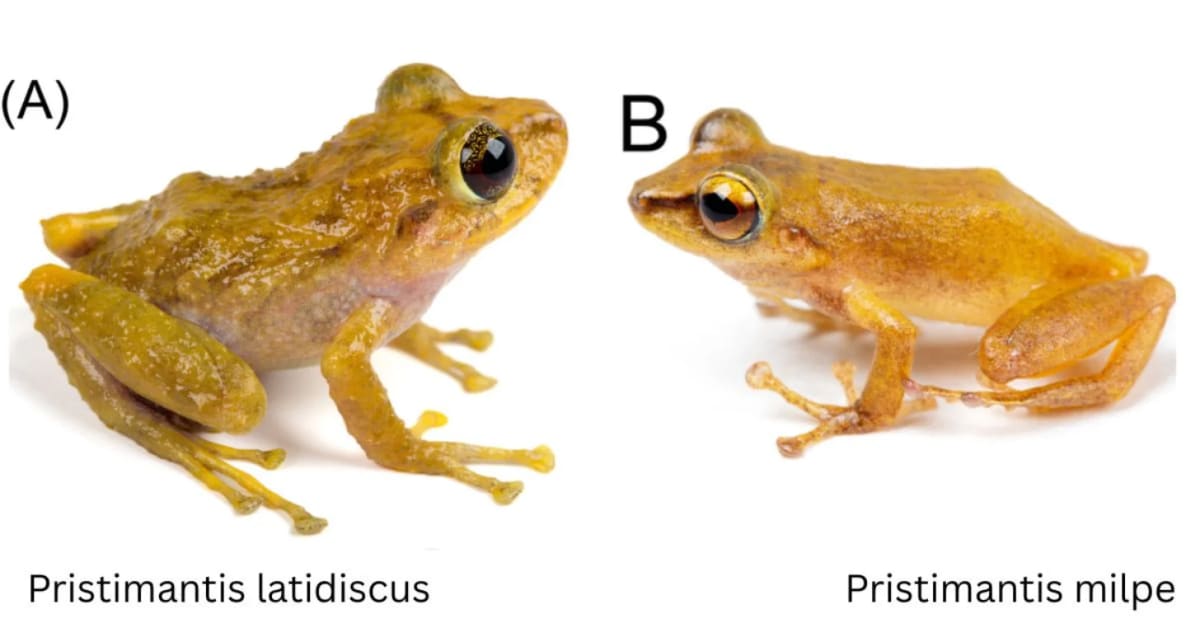
That's exactly what happened with the Milpe robber frog, according to evolutionary biologist Santiago Ron and his team at the Pontifical Catholic University of Ecuador. The researchers published their discovery in the journal ZooKeys in July, finally setting the record straight on a case of mistaken identity that lasted more than a century.
The Milpe robber frog isn't rare or hard to find. It thrives throughout the Chocó forests of western Ecuador and southern Colombia, and its distinctive call makes it easy to detect. Ron and his colleagues were astounded that such a common species remained undescribed for so long.
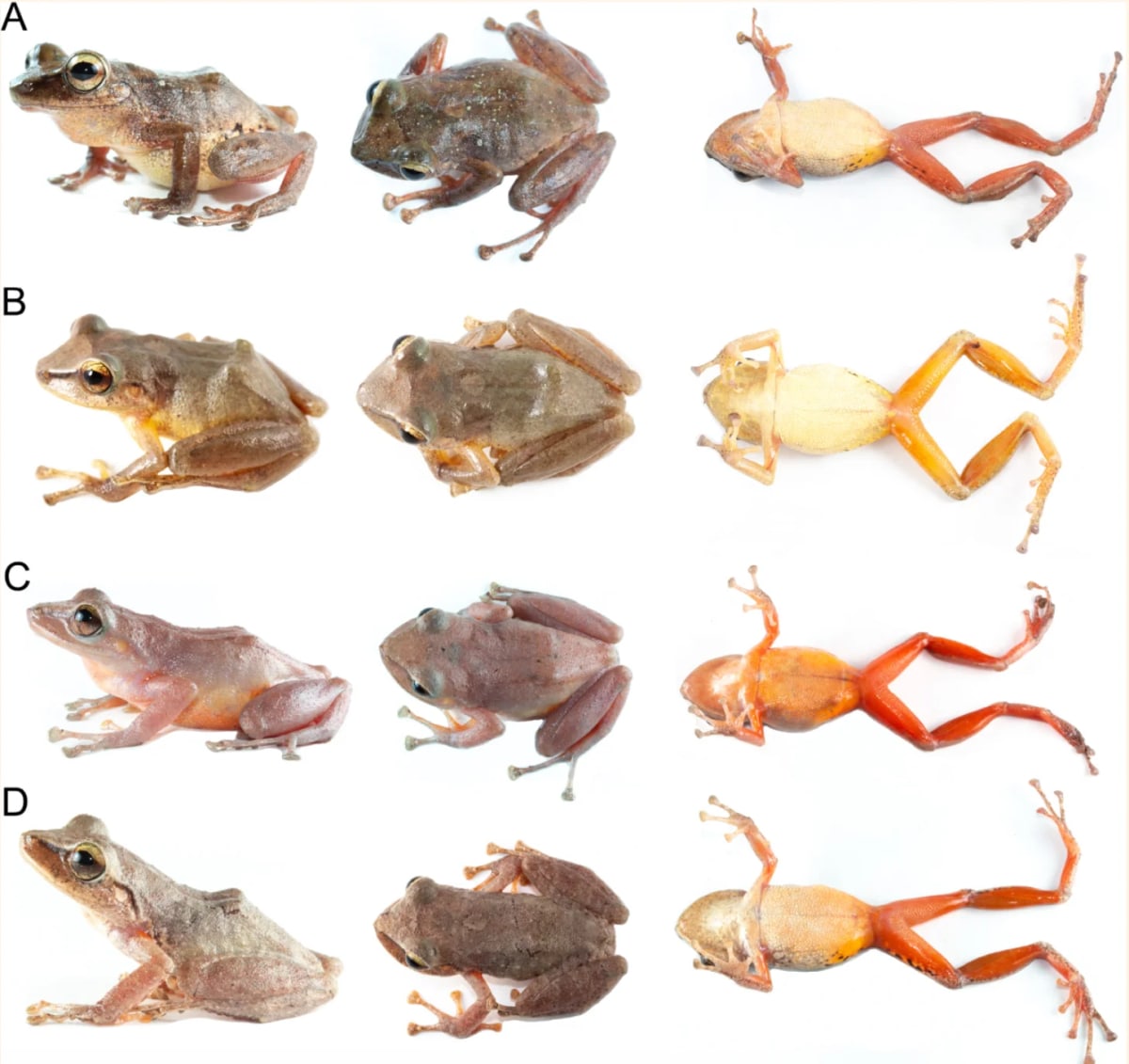
The problem wasn't that scientists couldn't find these frogs. They'd been studying them for decades, just under the wrong name. Researchers had long mistaken the Milpe robber frog for a different species called Pristimantis subsigillatus, or the Salidero robber frog.
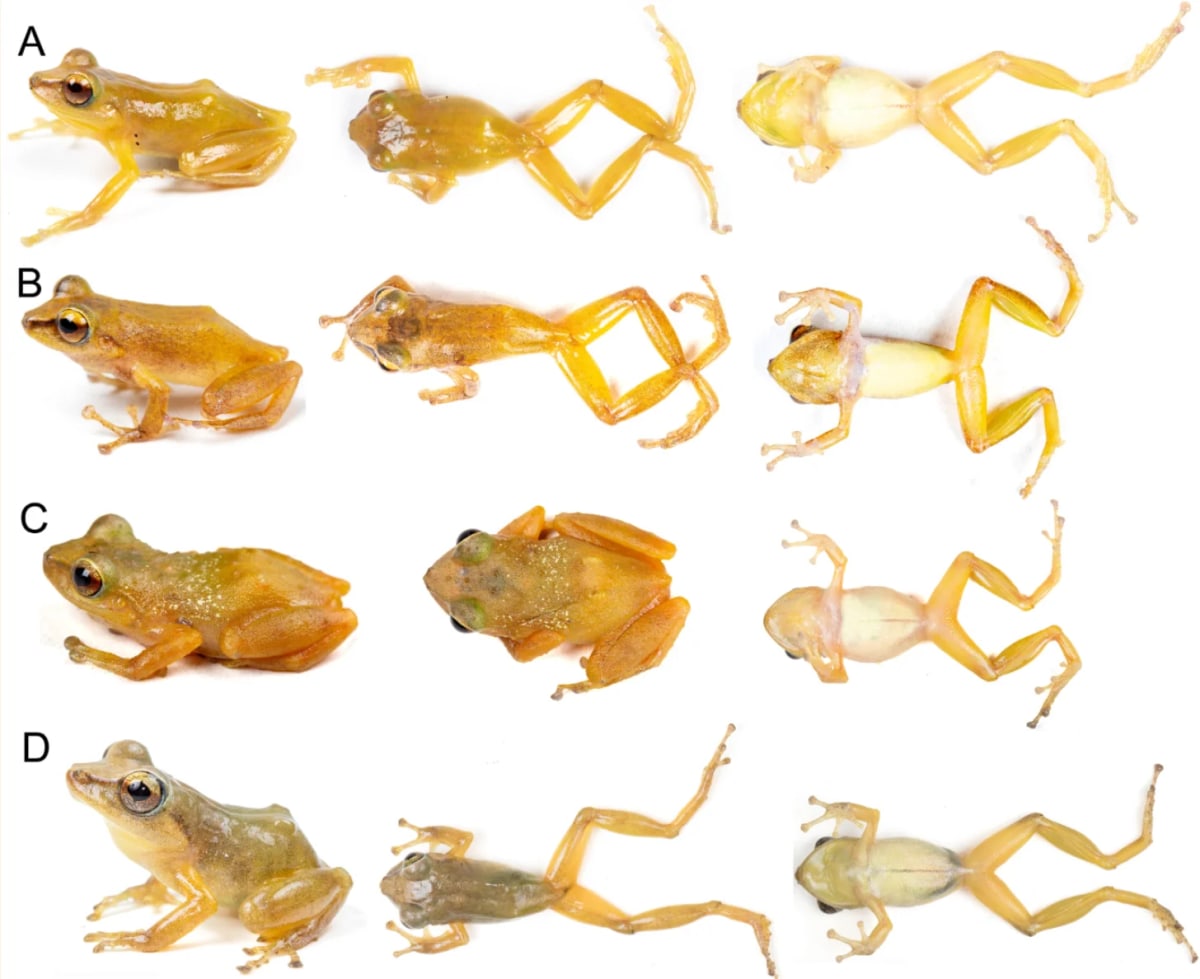
When the team re-examined the original specimen that scientists use as the reference for P. subsigillatus, they discovered it wasn't the same species at all. The Milpe robber frog was actually more closely related to a different species described four years earlier from a nearby area.
The frogs even have distinctive features that make them easy to tell apart. Female Milpe robber frogs show off orange or light blue markings mixed with black spots on their groin and thighs. Males sport a more uniform golden-brown coloration.
Why This Inspires
This discovery reminds us how much we still have to learn about the natural world, even in our own backyard. A species that scientists had walked past, recorded, and studied for over a century was hiding in plain sight, waiting for someone to take a closer look.
The story also highlights the patient, careful work of researchers who refused to accept assumptions. By going back to the original specimens and using modern techniques, they gave an entire population of frogs their true scientific identity.
Similar discoveries keep happening as scientists develop better tools and revisit old assumptions. Just this year, an entomologist named Peter Huemer examined moth specimens long identified as one species and discovered a genetically distinct species he named Carcina ingridmariae after his wife and lab partner.
These stories of scientific correction aren't about past mistakes. They're about our growing understanding of biodiversity and the importance of getting the details right so we can better protect the species sharing our planet.
Sometimes the biggest discoveries are the ones that were right in front of us all along.
More Images
Based on reporting by Good Good Good
This story was written by BrightWire based on verified news reports.
Spread the positivity!
Share this good news with someone who needs it