Common Fungus Eats Gold, May Revolutionize Mining
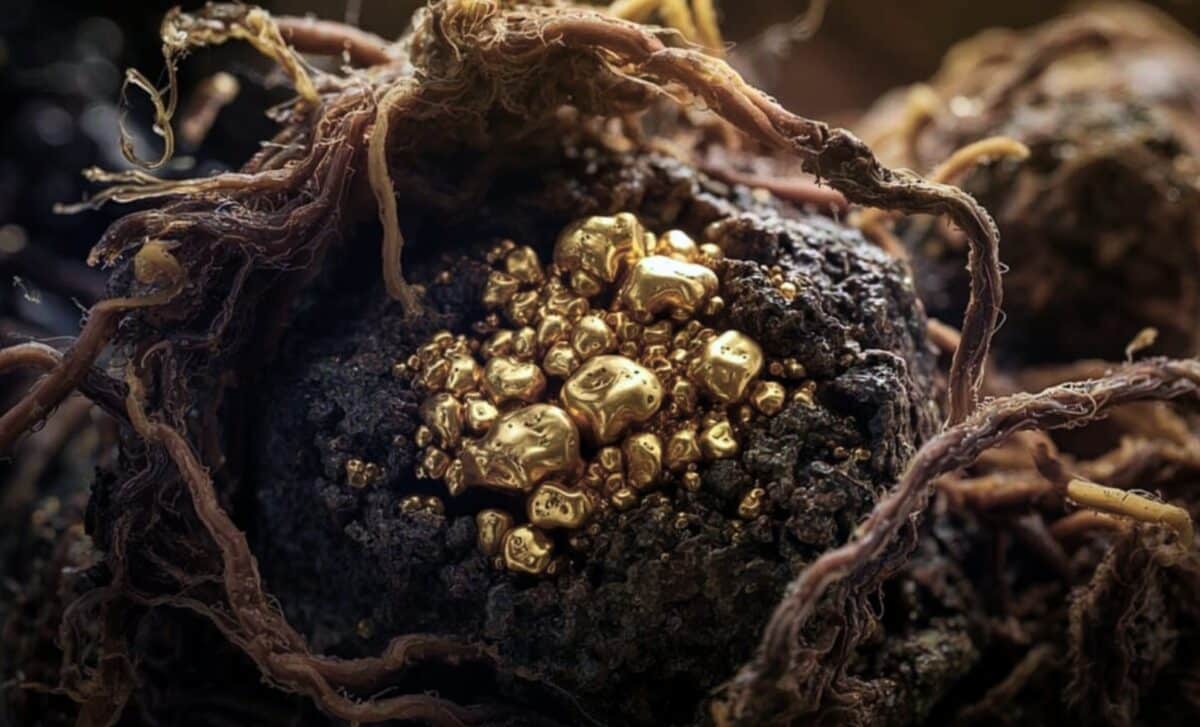
Australian scientists discovered a soil fungus that dissolves gold and coats itself with the precious metal, growing faster in the process. The breakthrough could transform how mining companies find underground gold deposits.
A common soil fungus has developed an extraordinary superpower that has scientists and mining companies buzzing with excitement.
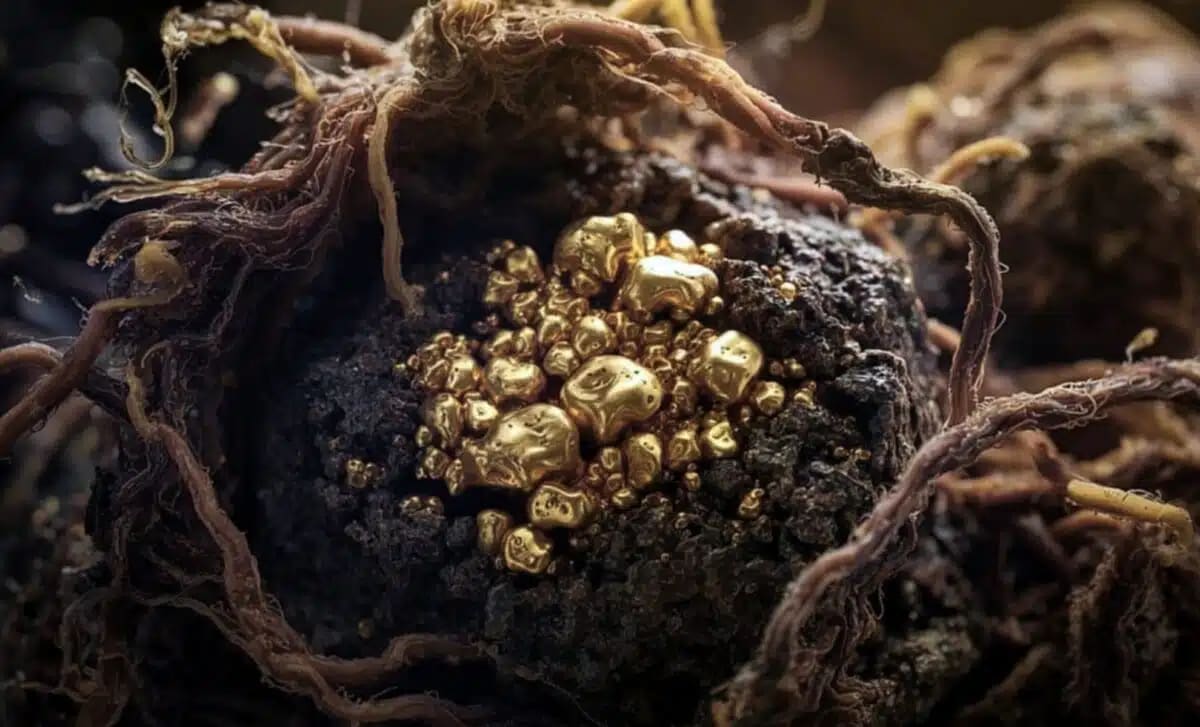
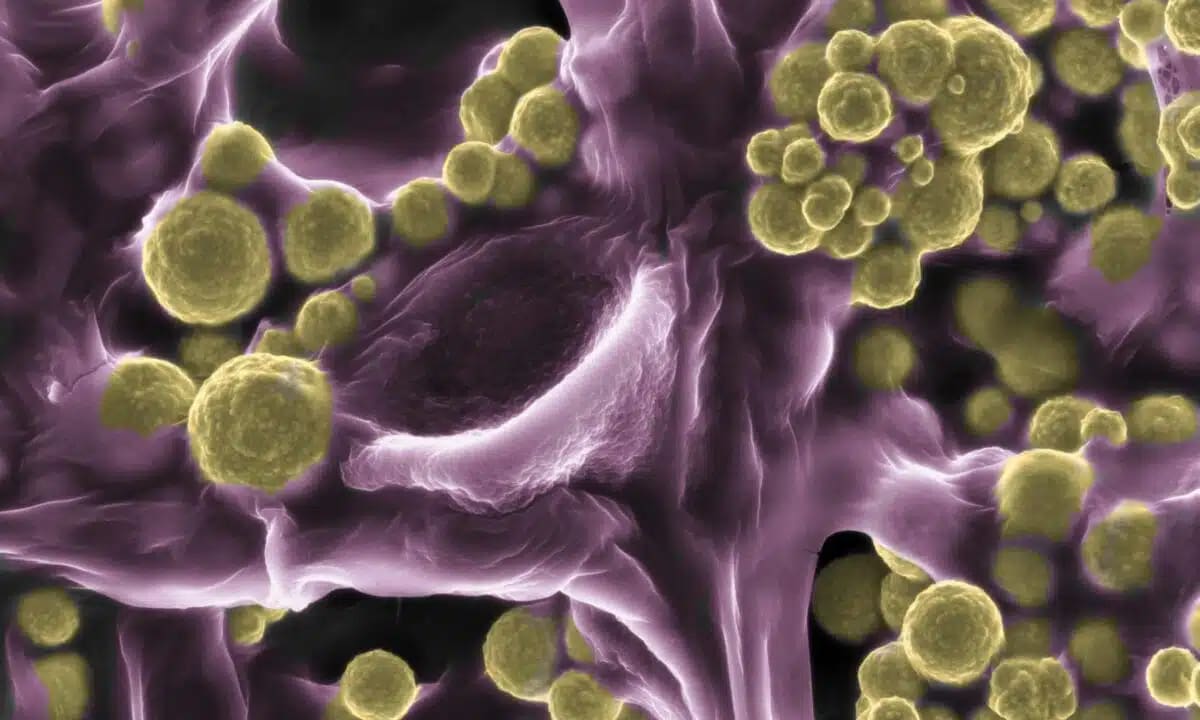
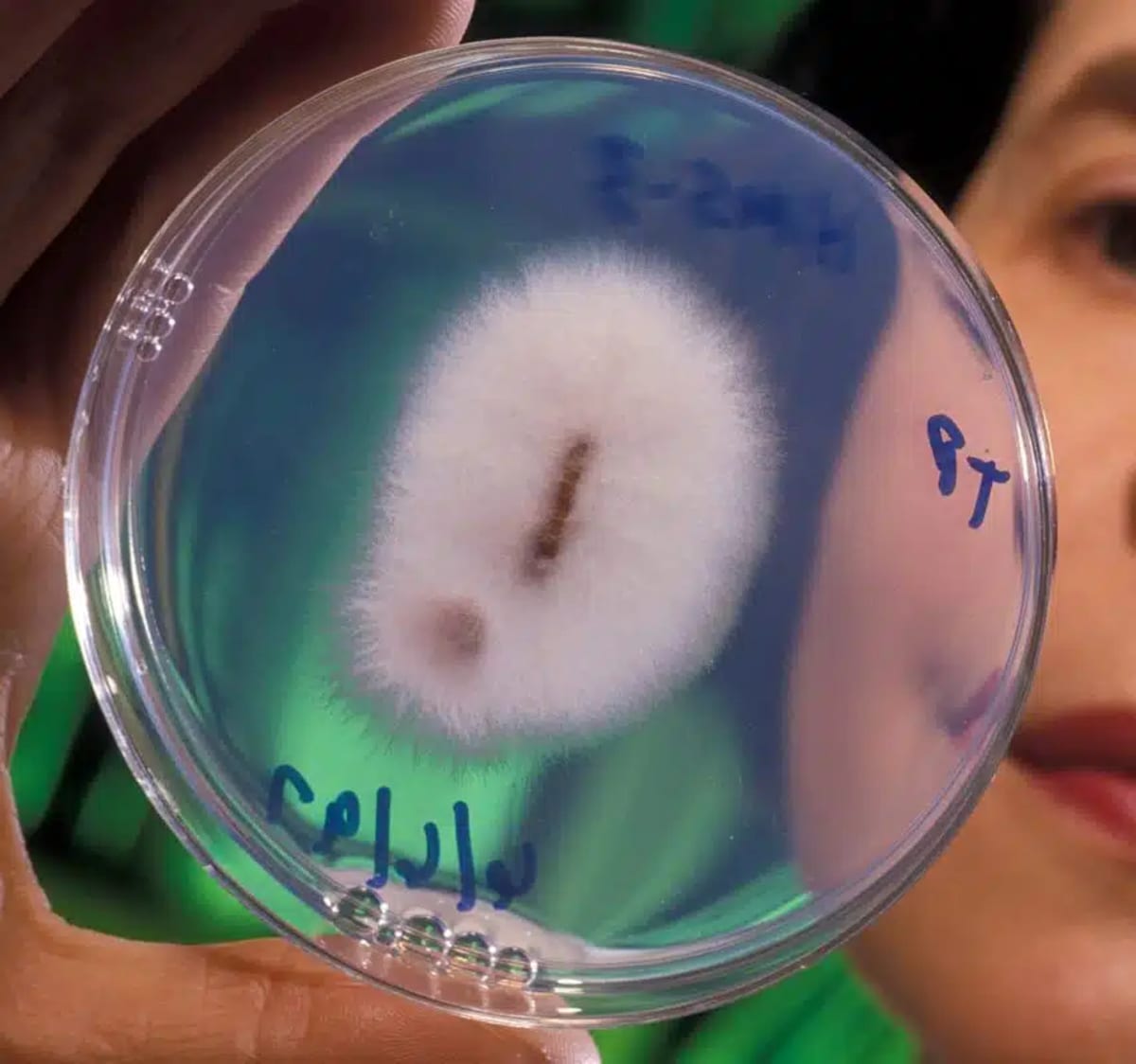
In 2019, researchers at Australia's national science agency CSIRO discovered that Fusarium oxysporum can dissolve gold particles from its surroundings and then coat itself in the precious metal. What makes this discovery remarkable is that gold is chemically inert, meaning it rarely interacts with living organisms at all.
The gold-coated fungi don't just wear their shiny discovery as decoration. They actually grow larger and spread faster than fungi that don't interact with gold, giving them a real biological advantage in their environment.
The fungus performs this feat through a clever two-step process. It first oxidizes and dissolves gold from its surroundings, then precipitates the dissolved gold back into solid particles that attach to its thread-like strands.
Dr. Tsing Bohu, the lead researcher on the CSIRO study, called the interaction "unusual and surprising" given gold's chemical inactivity. The discovery marked the first evidence that fungi may play a role in cycling gold around Earth's surface.
The Ripple Effect
Australian mining companies are already exploring practical applications. As the world's second-largest gold producer, Australia has strong incentive to make exploration more efficient and less environmentally disruptive.
The idea isn't to farm fungi for gold extraction. Instead, geologists could analyze soil for specific strains of this fungus to identify promising gold deposits hidden underground, similar to how trees in Western Australia draw up gold and deposit it in their leaves.
This biological approach could make exploration cheaper and less invasive than drilling hundreds of expensive test holes. Traditional exploration is slow, costly, and can damage ecosystems in the search for ore.
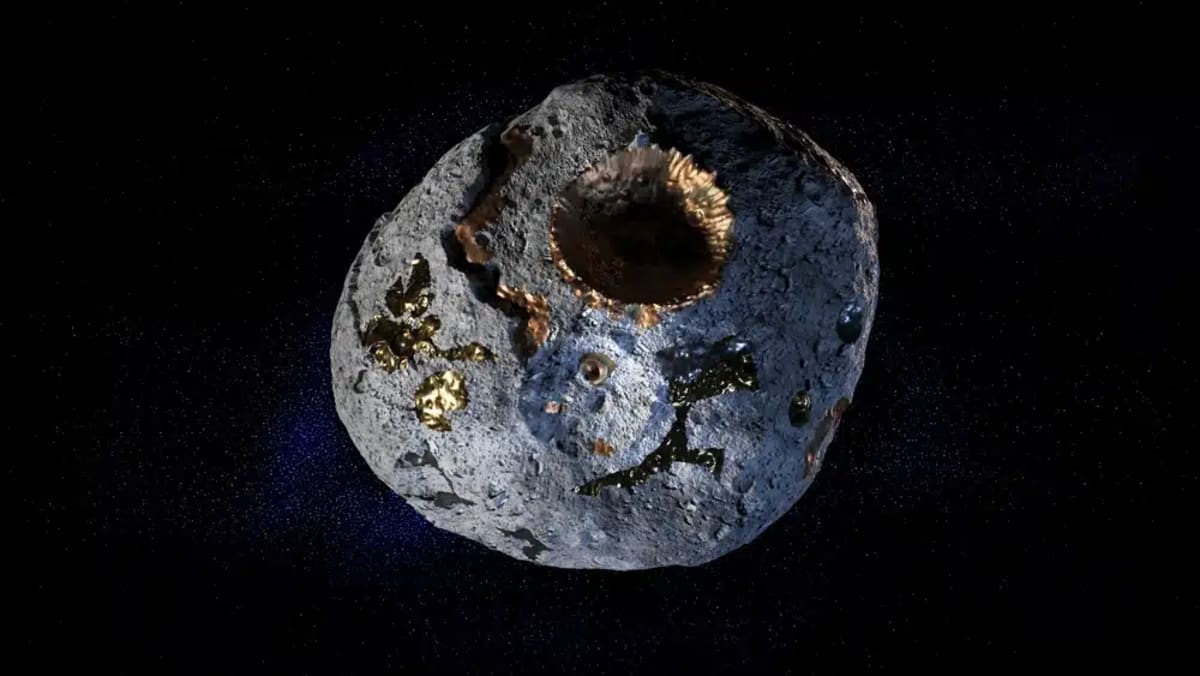
The discovery has even sparked speculation about space mining applications. Some researchers see promise in using microorganisms to process ores on asteroids or other celestial bodies where conventional mining hardware would be difficult to deploy.
The concept, called metabolic mineralurgy, remains speculative for now. But a fungus that can interact with metal in a low-energy, self-organizing way naturally attracts interest wherever traditional extraction would be challenging.
There's one important caveat. Fusarium oxysporum has a complicated reputation because some strains cause Fusarium wilt, a disease affecting over 100 plant species including bananas and tomatoes. Any practical application would require careful controls to prevent unintended agricultural consequences.
The discovery keeps capturing attention because of its inherent contradiction: an ordinary soil fungus manipulating one of the least reactive metals on Earth, turning something chemically inert into a biological advantage.
More Images
Based on reporting by Google News - Scientists Discover
This story was written by BrightWire based on verified news reports.
Spread the positivity!
Share this good news with someone who needs it